Services

What Exactly is Collagen?


Collagen is an ingredient that you will often find in face creams; many of us will have heard of it, but most of us will still be unsure as to what it is, and what benefits additional collagen actual holds.


"Collagen accounts for 30 to 45 per cent of the body’s protein," Kate Butler, a nutritionist for Holland & Barrett, explained to Metro.co.uk. "It’s the essential structural component of all connective tissue and makes up approximately 75 per cent of the body’s skin tissue."


In other words, collagen is a very important component and the depletion of it can cause deterioration of our skin and connective tissues. When we are young our collagen levels are at their highest. This is why our children have smooth skin, shiny hair and can twist themselves into all sorts of positions at gymnastics class.


Unfortunately, research shows that collagen levels begin to deplete from the age of 25. By the time we get to 40 we will have lost around a third of our collagen, which can cause our skin to wrinkle and sag. We may also begin to suffer joint pain as the connective tissue in our joints begins to weaken.


The effect of the loss of collagen on our skin is often very noticeable, and this is why collagen is a popular ingredient in many branded face creams. Yet many scientists believe that the best way to increase our collagen levels is to do it from the inside.


In an ideal world, we would be able to boost our collagen the most natural way, through diet. However, foods rich in collagen can be hard to come by and quite unappealing to eat in large quantities.


In Japan you can find collagen rich foods such as pigs' trotters, chicken skin and controversial shark fin on the menu, as well as ‘beauty’ hotpots where collagen has been mixed into meat and vegetables. This craze hasn't yet travelled to the UK, although drinks containing collagen are now available.


One method of boosting collagen levels that has caught on in the UK is the use of collagen injections. A seemingly drastic measure, collagen injections are now widely used to get the collagen directly to where it is needed in order for it to be most effective at smoothing wrinkles and plumping out the skin; the skin's dermis.


The dermis is the skin’s second, lower layer, where collagen is naturally found. Collagen in skin creams sits on the epidermis and doesn’t reach the dermis. The use of an injection means that collagen can be put directly into the lower layer of skin where it can be effective.


According to MedicineNet, collagen injections do work. However, these treatments are only temporary and can be painful as well as expensive. It is recommended that you have the injections two to four times a year in order to maintain the levels of collagen needed to have a smoothing effect on the skin. Obviously this can be an expensive, as well as an inconvenient, habit to keep up.


Another important thing to remember is that the depletion of collagen doesn’t just affect our appearance. It can also result in the reduction of support for the joint structure of the body. As our collagen stores deplete, we grow weaker. So it is preferable to increase collagen throughout our entire body, not just in the face where the effects of collagen depletion may be most noticeable.


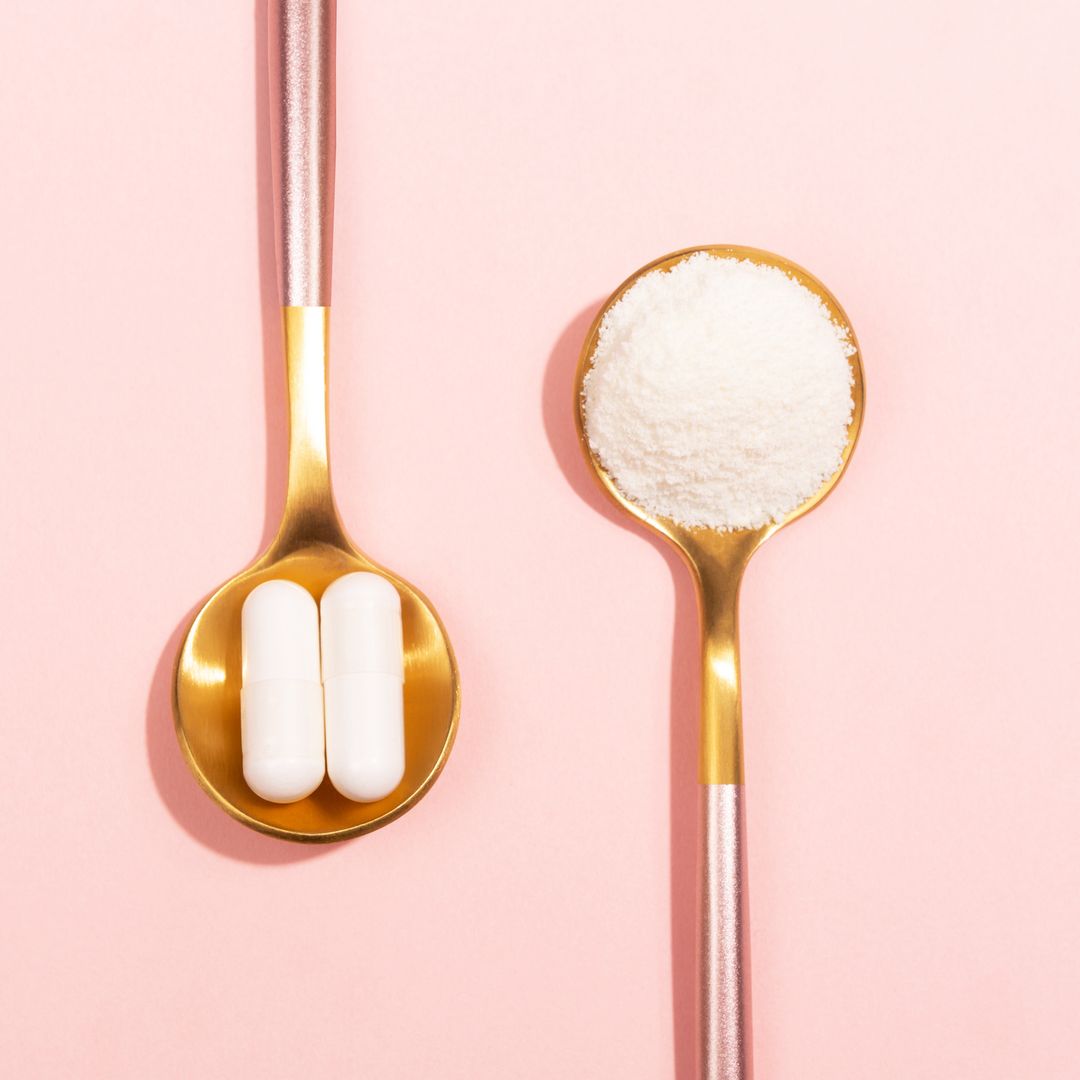
One more convenient and less expensive option is to take a collagen supplement in tablet form. Available at health shops such as Holland & Barrett, these tablets are a simple way of getting more collagen into the body.


A recent study conducted by the University of Munich and Stanford University in the US concentrated on 2,000 sufferers of osteoarthritis of the hip and knee. The Metro reported that three quarters of the men and women tested felt a reduction in pain and saw an increase in mobility when taking collagen supplements.


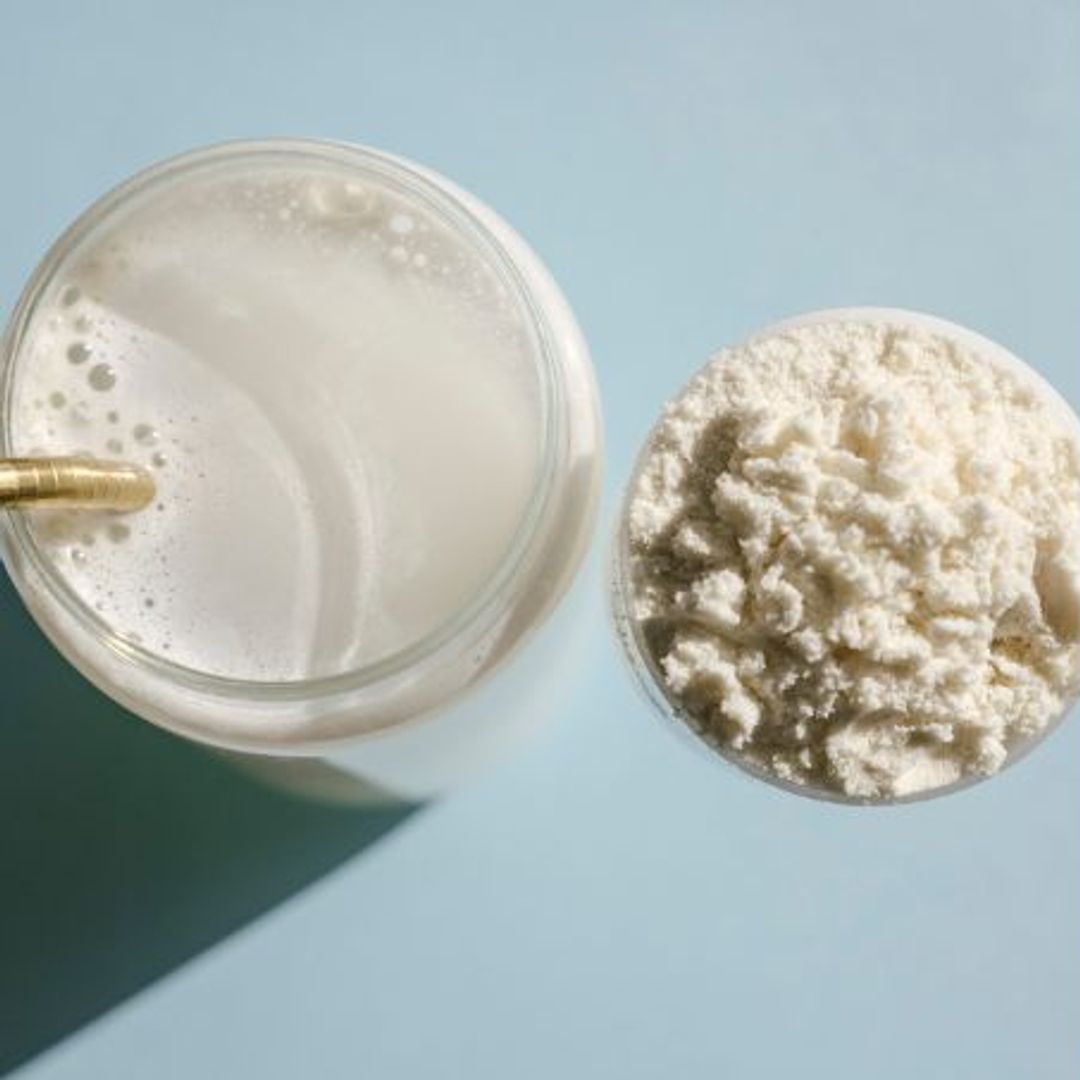
Hydrolysed collagen supplements are thought to be the most effective type as hydrolysed collagen is much more easily absorbed by the body.


If you’re looking for a way to plump out those wrinkles and smooth out that skin, then increasing the level of collagen in your body may help. With the options of creams, injections, diet and supplements it can be difficult to know how best to do this. However, supplements seem to be the easiest, most convenient way to try to support collagen levels from the inside out.

Cannes 2012

Cannes

Special

Special

Suggestions