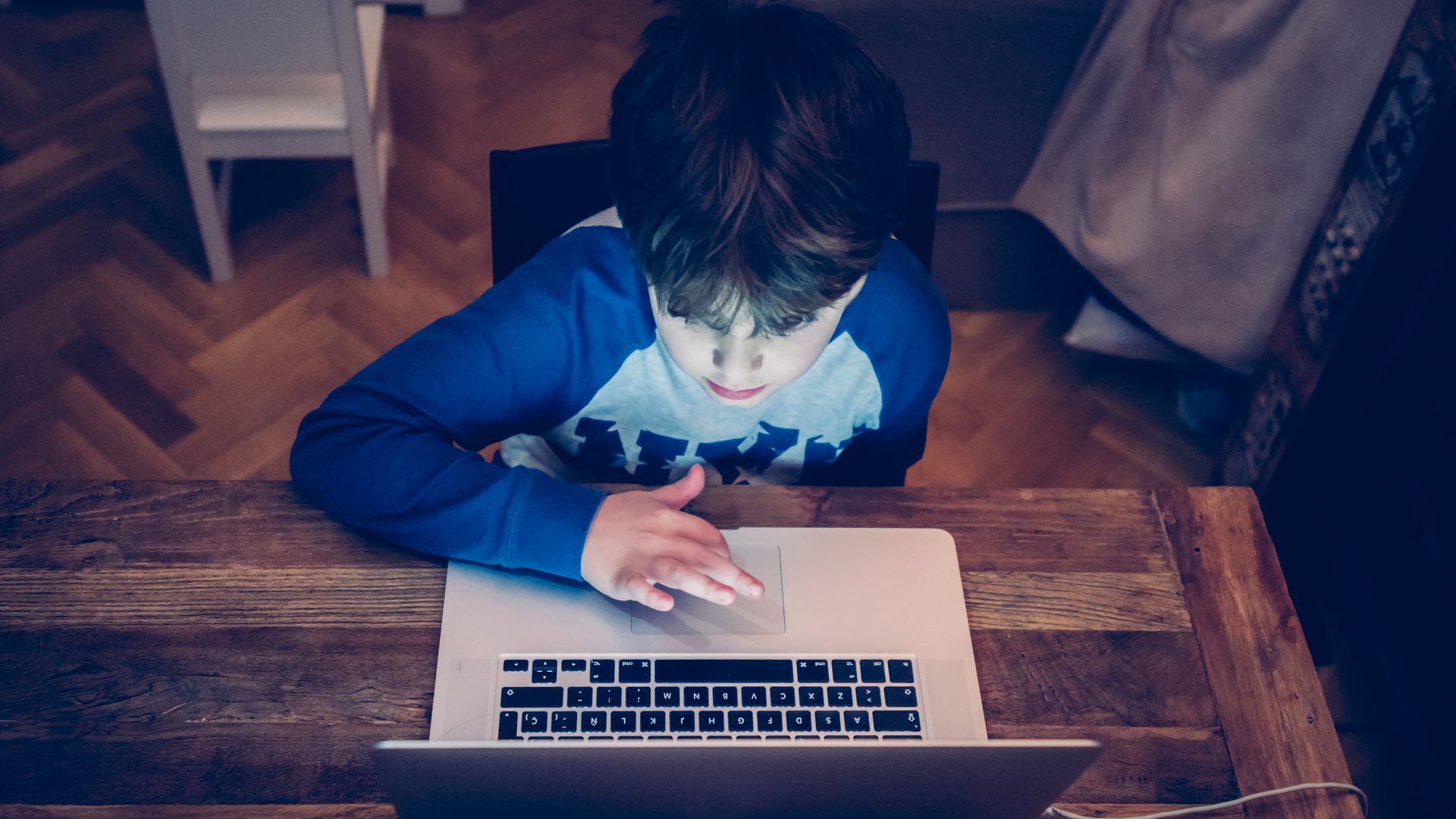

With the weather changing and back to school in full-blown swing, it feels like the autumn season is already here. And while it might still technically be summer, it's not going to be long before the evenings start drawing in and the days feel shorter. For those with children, the shorter evenings and after-school downtime often result in screen time. In fact, a recent study conducted by Outdoor Toys found that five to 12-year-olds are spending at least three hours a day on screens, exceeding the recommended daily limit proposed by Ofcom and the NHS.
Since daylight will disappear earlier in the day soon, it's not necessarily surprising that screen time rises as fewer kids are spending time outdoors into the early evenings like they do in summer. Therefore, striking a balance between indoor activities and reducing screen time can be tricky. Alex Price, Product Expert at Outdoor Toys, has shared his tips to avoid racking up the hours on the devices and still manage to make the most of the outdoors before autumn and winter hit. Click through the gallery to see his tips…
 © Getty Images
Turn a walk into a mini adventure
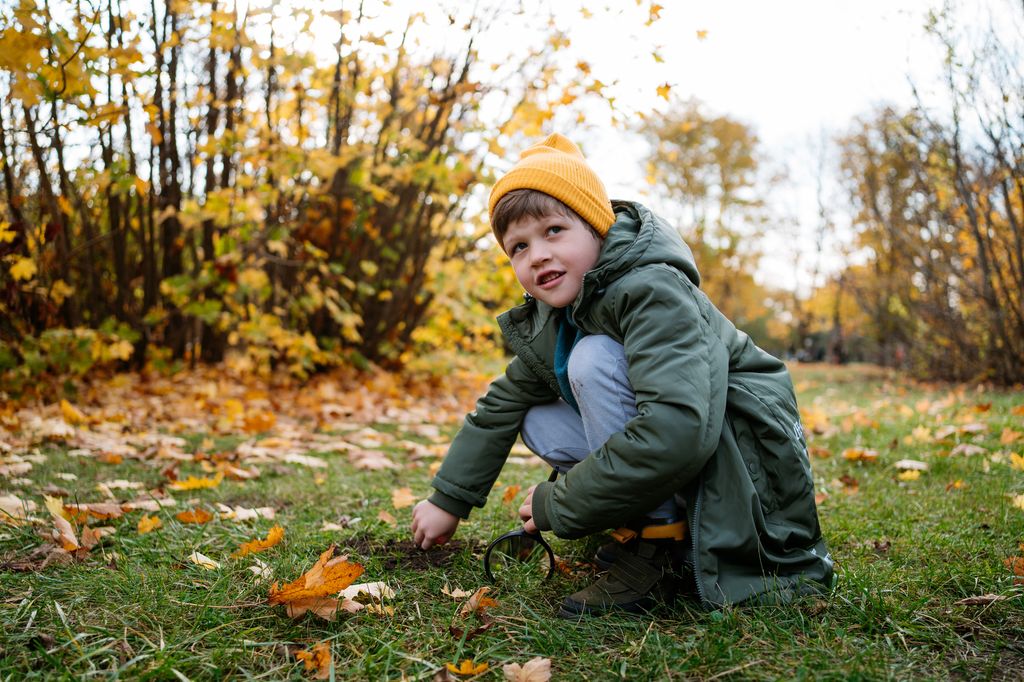
Over four in 10 (45 per cent) parents said a lack of outdoor space is the main barrier to playing outside. Alex advises to use your school journey to embrace the outdoors. "Make the walk home from school fun, collect autumn leaves, take sky photos and doodle creatures on the clouds, or hunt for bugs and birds. After the clocks change, kids can also look out for nocturnal animals like hedgehogs and owls, making the adventure exciting even in darker evenings."
 © Getty Images
Make homework out-work
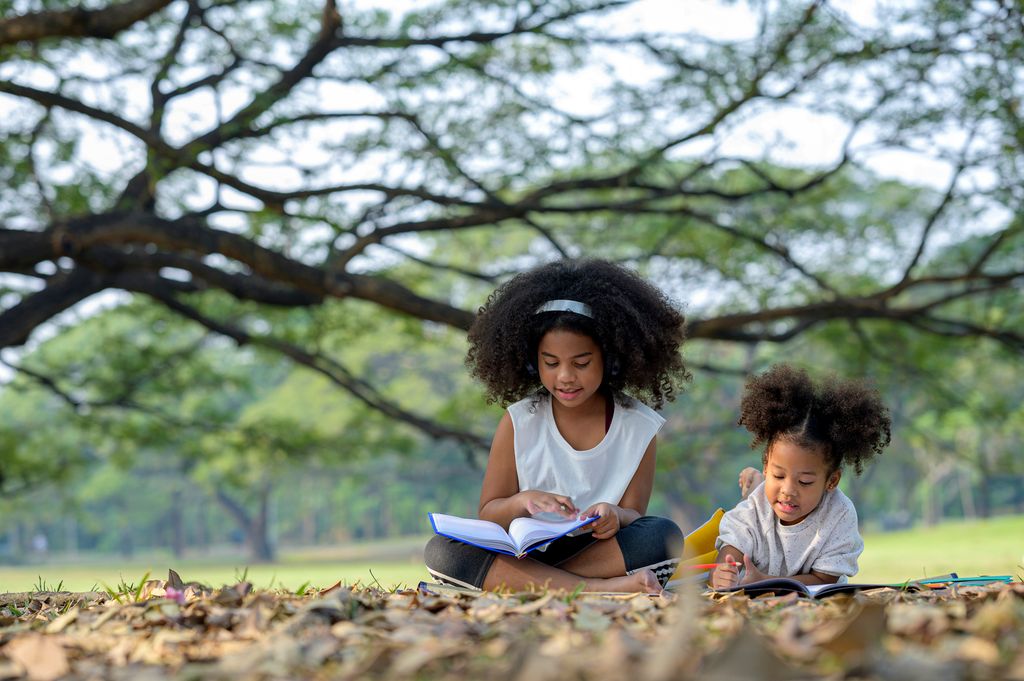
We've got a few weeks before the clocks change in October, so now is the time to head out and make the most of the next month or so. "Before the clocks change, take advantage of lighter evenings and take reading, spellings or projects outside," says Alex, "A picnic blanket, some fresh air and a change of scenery can boost creativity, focus and mood.
 © Getty Images
Schedule evening play
A lack of free time is a real issue since lives are busy, but Alex notes that scheduling even just 20 minutes can make a difference. "Create a regular slot for play, post-dinner park visits, stargazing walks, or short nocturnal treasure hunts in safe, lit areas. If it's planned, it's more likely to happen."
 © Getty Images
Don't wait for perfect weather
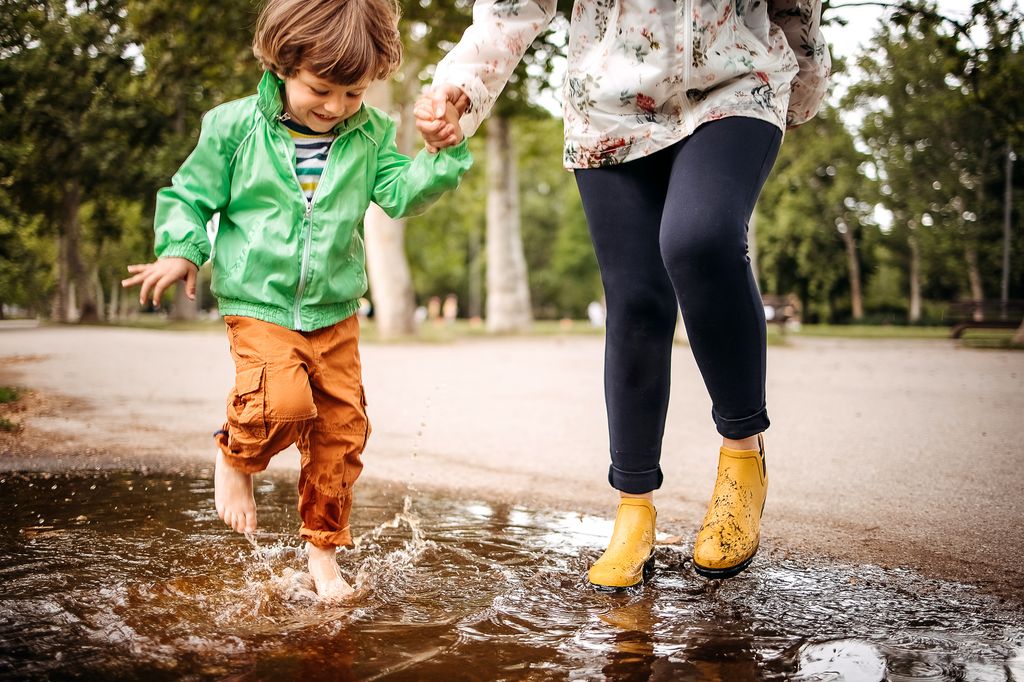
Rain can be off-putting, of course, but ask a kid if they love jumping in muddy puddles and you'll be hard-pushed to find one who says no. Alex agrees: "Twenty-three per cent of parents said the weather plays a key part in getting kids outdoors. Wrap up, embrace the mess, and reward yourselves with a warm drink afterwards. Puddle-jumping and muddy walks make for great memories and build resilience. Even on darker, wetter evenings, stick to well-lit spaces and use torches or glow sticks to keep outdoor play safe and enjoyable."
 © Getty Images
Grow something small
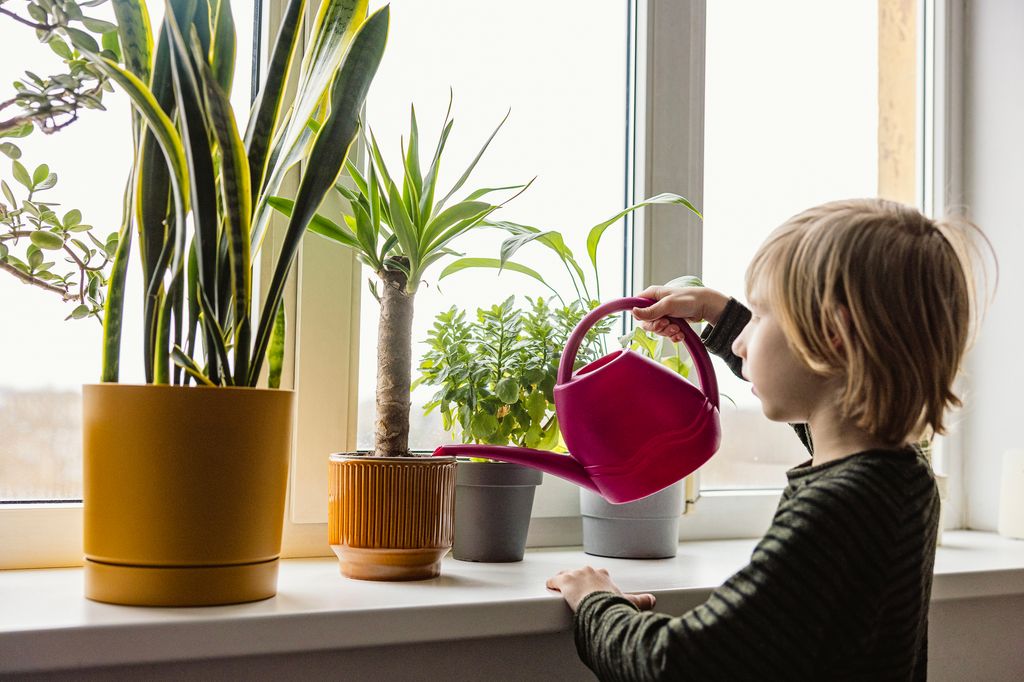
Natalie Bell, nature play specialist at evergreenexploring.org, encourages a focus on nature to embrace the change in seasons. "No green space? A window box or pot of herbs is all you need to watch nature in action - and it sparks daily chats, observations, and wonder."
 © Getty Images
Why outdoor play is so important
"Even as the evenings get darker and the weather wetter, outdoor play is vital for children's growth and development," explains Alex. "It supports motor skills, immune health, sleep, mood, confidence, and curiosity. Parents should make sure screen time doesn't replace these benefits."
Natalie agrees. "In a world where screens are the easy option, outdoor play gives families the chance to reconnect and build confidence through shared experiences," she says. "We know that almost three in 10 parents say lack of free time is a barrier – but even small moments outside can spark big changes. Reducing screen time is vital to this.
"Excessive screen use can limit real-world interaction, physical activity and imaginative play – all of which are crucial for healthy development. By stepping away from screens and into nature, children engage more fully with the world around them, build social skills, and learn to navigate challenges in ways that screens simply can't replicate."