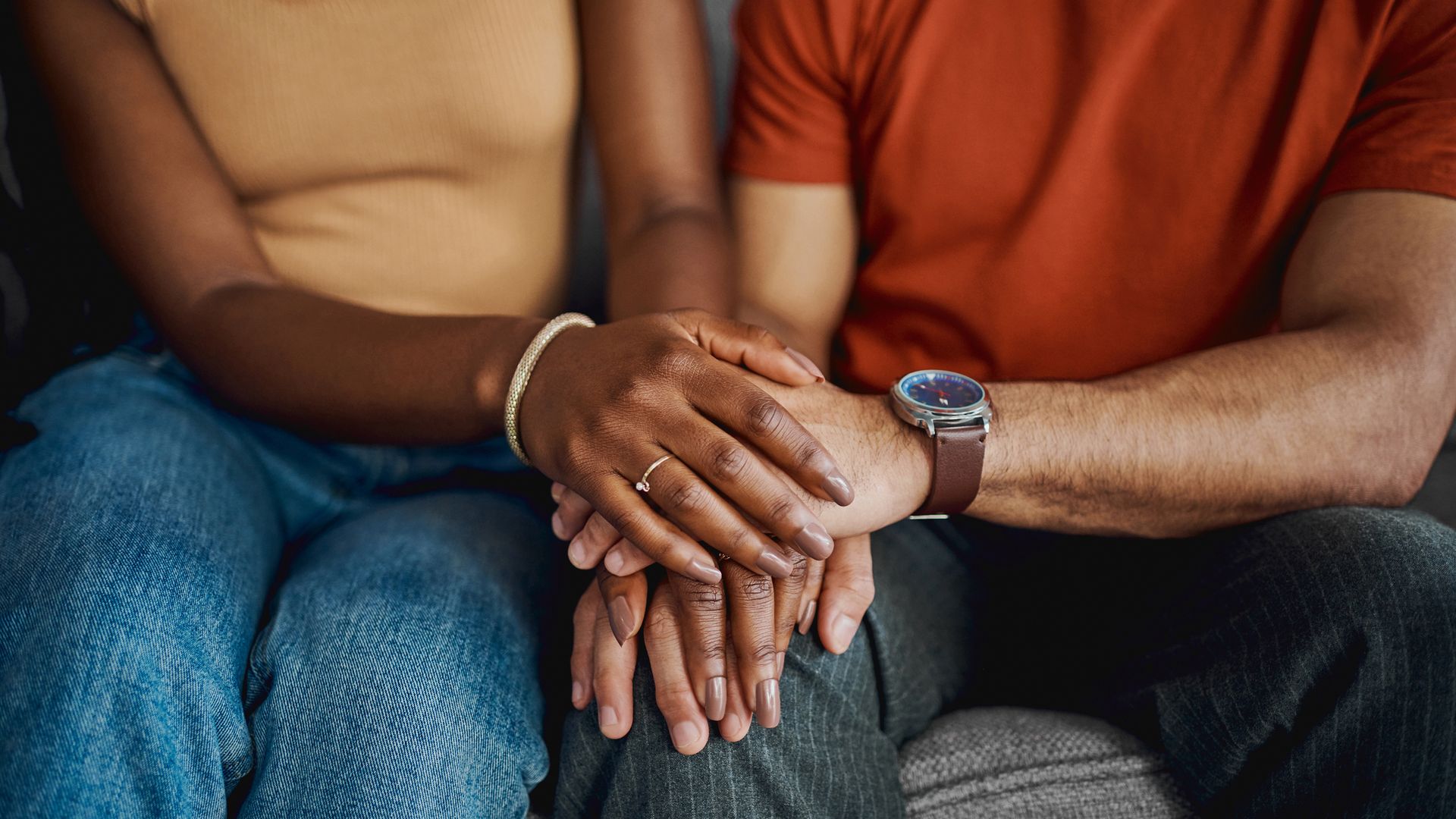
Many couples wait until they are at breaking point before seeking help, living under the misconception that struggling in silence is simply part and parcel of being in a long-term relationship. However, research and clinical studies show that early intervention can be transformative, helping partners to better navigate conflict, improve communication, and rebuild connection before problems escalate to a point of no return. Relationship therapy experts and sexologists emphasise that reaching out for support is a sign of strength, not failure, challenging the stigma and false beliefs that still hang over counselling. Far from being a last resort, therapy can provide a safe space to understand each other better, providing couples with the tools to thrive together and live happier lives as a unit. HELLO! quizzed the experts on the ins and outs of seeking help…
The subtle (and not-so-subtle) signs your relationship is struggling
There's plenty of chatter about red flags in our modern culture, but how many of us actually understand when we are witnessing them and when they become a serious problem in a relationship? Clinical Director Focused Mind ADHD Counselling, Billy Roberts, told HELLO!: "Couples should seek out therapy when they stop communicating effectively."
He continued explaining, "This might look like conflict or simply not talking, having difficult conversations, or any conversations at all. Effective couples counselling focuses on communication. Exploring hurtful patterns of interacting and helping you move toward more open and empathetic ways of relating."
While they may be hard to spot initially, therapists and experts urge that you look out for:
- Consistent criticism
- Emotional withdrawal
- Controlling behaviour
- Avoidance of conflict
- Lack of trust
Why we avoid asking for help - and why it matters
The simple answer to this question is that it’s just easier sometimes to put off asking for help and getting the right support. Many couples worry about being blamed, feel the pressure of cultural stigma, believe they should be able to handle it themselves, or ultimately, fear that asking for help means their relationship is failing.
The danger in ignoring the cracks and carrying on as if nothing has happened is that tension will bubble beneath the surface and show up in small frustrations that snowball into resentment, miscommunication, and emotional distance. Relationship therapist Nia Williams urged: "It is always better to start couples therapy sooner rather than later. I see so many couples make the mistake of starting way too late, resulting in breakups and divorces. Couples therapy can be a much-needed medicine for a relationship in crisis."
What actually happens in couples therapy?
Walking into therapy can feel daunting, but sessions usually follow a straightforward, supportive structure that should make you feel relaxed. The first few meetings are all about getting to know your story. Many therapists use evidence-based approaches such as Emotionally Focused Therapy (EFT), the Gottman Method, or psychodynamic work, tailoring the techniques to your unique relationship and its struggles. Over time, you’ll explore your communication patterns and try to identify where misunderstandings, defensiveness, or withdrawal crop up.
Nia further explained: "The steps of couples therapy are an initial consultation with each couple to establish needs, objectives and pain points in the relationship, followed by a detailed questionnaire. The first initial sessions can be nerve-racking for couples, but this subsides after comfort is gained with your therapist after about one to three sessions." Couples therapy statistically is very effective, and data show success rates as high as 90 percent. It really does lead to significant improvement and is well worth trying to save or enhance a relationship."
Does couples therapy actually work?
Sofie Roos, a licensed relationship therapist and author at Passionerad, believes: "When couples get the tools to talk about these issues without guilt or judgment in the picture, magical things actually tend to happen, and the lust, intimacy and desire often come back quite by itself when reaching this state."
"Couples therapy statistically is very effective, and data show success rates as high as 90 percent. It really does lead to significant improvement and is well worth trying to save or enhance a relationship," Nia agreed with Sofie's conclusion about the effectiveness of therapy for couples.
However, real progress isn’t just made in the therapist’s office; the effort between sessions, practising new skills, checking in with each other, and applying strategies in everyday life, can make just as much difference.
When to prioritise therapy
While therapy can benefit any couple, certain situations call for urgent support more than others. If you are feeling emotional or physical abuse, if there is ongoing infidelity or other difficult scenarios such as addiction issues, it is advised that you seek help sooner rather than later. This is to ensure your safety and well-being are cared for while you work out your relationship issues.
It is also important to note that for some couples, individual therapy alongside joint sessions may be the most effective route to trial. This is usually necessary when personal trauma, mental health challenges, or external stressors are affecting the relationship.
How to find the right couples therapist
Finding the right therapist can be a challenge, as each person will have different preferences and needs, but knowing what to look out for will make the process much easier. Billy said: "Finding the right therapist depends on whether they specialise in what the issues are for you (i.e., navigating ADHD, getting used to living together, high conflict, etc). Always ask for a brief consultation call before booking; the right therapist will make you both feel at ease."
Sofie added: "Look for someone qualified, and take a test session to begin with. For me, it’s important to make my clients feel natural and safe, because otherwise they won’t open up. That said, look for someone who makes it natural to talk, and that makes your problem feel natural and human! If you find the right person, it should feel easier to walk away from a session than it felt when you got there!"
In the UK, reputable qualifications include the British Association for Counselling and Psychotherapy, the UK Council for Psychotherapy, and the College of Sexual and Relationship Therapists. Beyond credentials, it is important to choose someone who fits both partners’ needs and communication styles, in order to create a space where everyone feels heard and seen.
What if one partner doesn't want to go?
More common than not, the idea to see a couples therapist will be initiated by one partner and not the other. In some cases, it may be difficult to persuade your loved one to join you in therapy and invite a third voice into the relationship. Approaching the conversation with compassion and curiosity can make a big difference.
Sofie outlined: "I suggest that instead of putting pressure on them, you make your partner understand why this is important to you. Make your better half understand that this is for your best. Many times it’s also a good idea to start with yourself by going there on your own, which shows it’s nothing to be afraid of. When they see that, they are more likely to join next time you ask them to come!"
"If one partner doesn't want to go, you should ask about their reasons why. Often, one partner feels like they are going to couples counselling because they believe you, the initiator, think they are the problem. Re-framing your intention that couples therapy is for couples, and you plan to own your part in it, can be helpful," Billy added.