

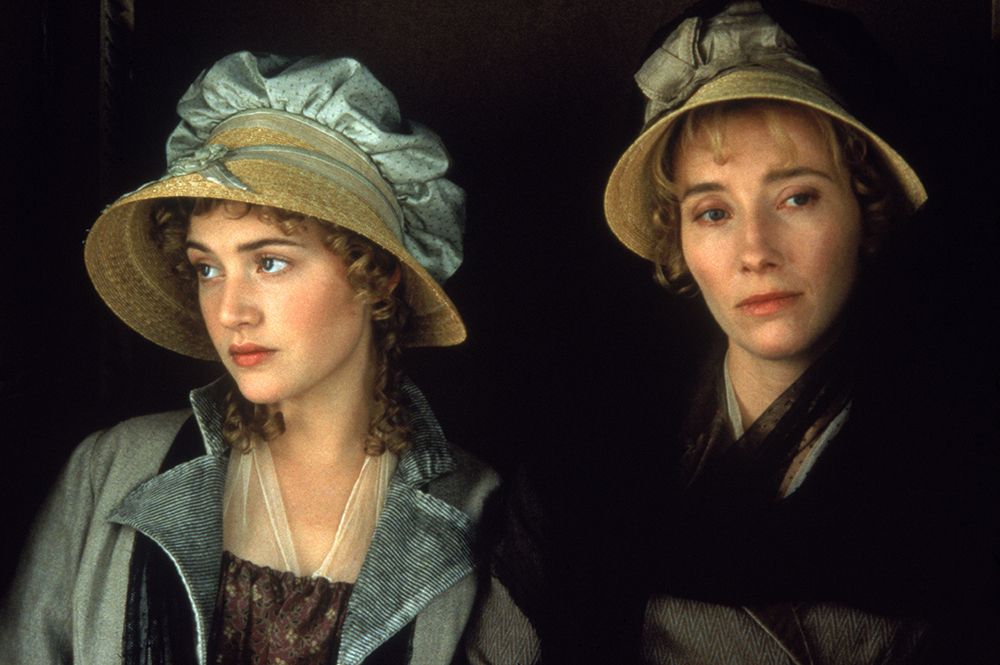
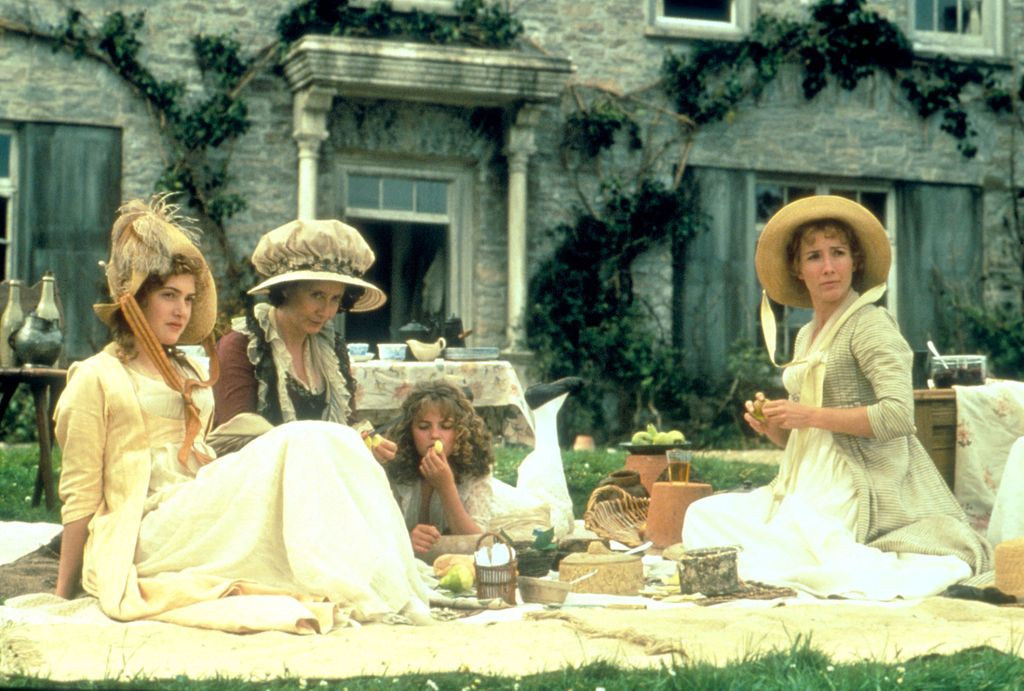
I am a passionate loyalist of Ang Lee's Sense and Sensibility. I think it is the perfect film – that the blend of wit, humour, drama and sensational acting from Emma Thompson means that it absolutely cannot be beaten. However, I also like liking things, so when the new adaptation of the Jane Austen romance, starring Daisy Edgar-Jones as Elinor Dashwood, was announced, two sides of my personality clashed.
On one hand, I railed against the idea. How could you possibly improve upon perfection? What was the point of retelling a tale that had already been so well done, with such a magnificent cast?
 © Sky
© SkyBut on the other hand, I wanted to give it a chance. Jane Austen's works, after all, have been reinvented again and again throughout generations, and it has been 30 years since Ang Lee's version. Perhaps it was time for Gen Z to have their turn. Sitting in the screening, I sat with folded arms, waiting for it to begin. "Come on then," I thought. "Impress me."
And you know what, it really did.
I found myself quickly falling in love with this new version. Unlike 1995's colourful, summery offering, the 2026 version more closely resembles 2005's autumnal Pride & Prejudice with its gorgeous, moody cinematography. Beautifully cast, Daisy Edgar-Jones was born to play Elinor Dashwood, while Esmé Creed-Miles is a revelation as the passionate, lively Marianne.
 © Getty Images
The supporting players are just as well cast, though I don't think as well used as in Emma Thompson's version. Standouts include Fiona Shaw as Mrs Jennings, while Tom Brooke is genuinely hilarious as a differently pitched version of the girls' half-brother, John Dashwood.
 © Courtesy of Focus Features
What I also loved about the new version, which perhaps – dare I say – the original lacks, is the yearning romance of it all. While Emma remains tight-lipped and contained before her famous meltdown in the original, Daisy plays her love for Edward differently, but effectively, looking as though her emotions might spill out of her at any moment, while fighting to tamp them down.
 © Courtesy of Focus Features
Meanwhile, Marianne's relationship with Willoughby is beautifully realised. Like any bad relationship with good chemistry, it is compellingly watchable, even when you know she will end up with the starry-eyed, upstanding Brandon, played wonderfully by Herbert Nordrum.
I also really liked that, aside from Daisy's modest star power, the cast were all relatively unknown. Their relationships sparkle on the screen, and feel all the more potent knowing that they got the gig without boasting of a big social media following or because they're TikTok's boyfriend of the month.
 © Courtesy of Focus Features
The story remains loyal to the book and avoids any trappings of modernising the story that some adaptations fall victim to, while also making it feel present. The women's agency is restrained by the time period they live in, but they still have voices – perhaps more than the 1995 version gave us. It even includes more scenes from the book than the beloved original – almost entirely to great effect except for one very silly scene that I won't spoil, but which had my screening giggling, perhaps unintentionally.
 © Courtesy of Focus Features
I think this version goes to show that a story can be adapted more than once and approached in very different ways to great effect. Maybe it's because every generation deserves a great adaptation – or maybe it's because Jane Austen's timeless story just really is that good.


