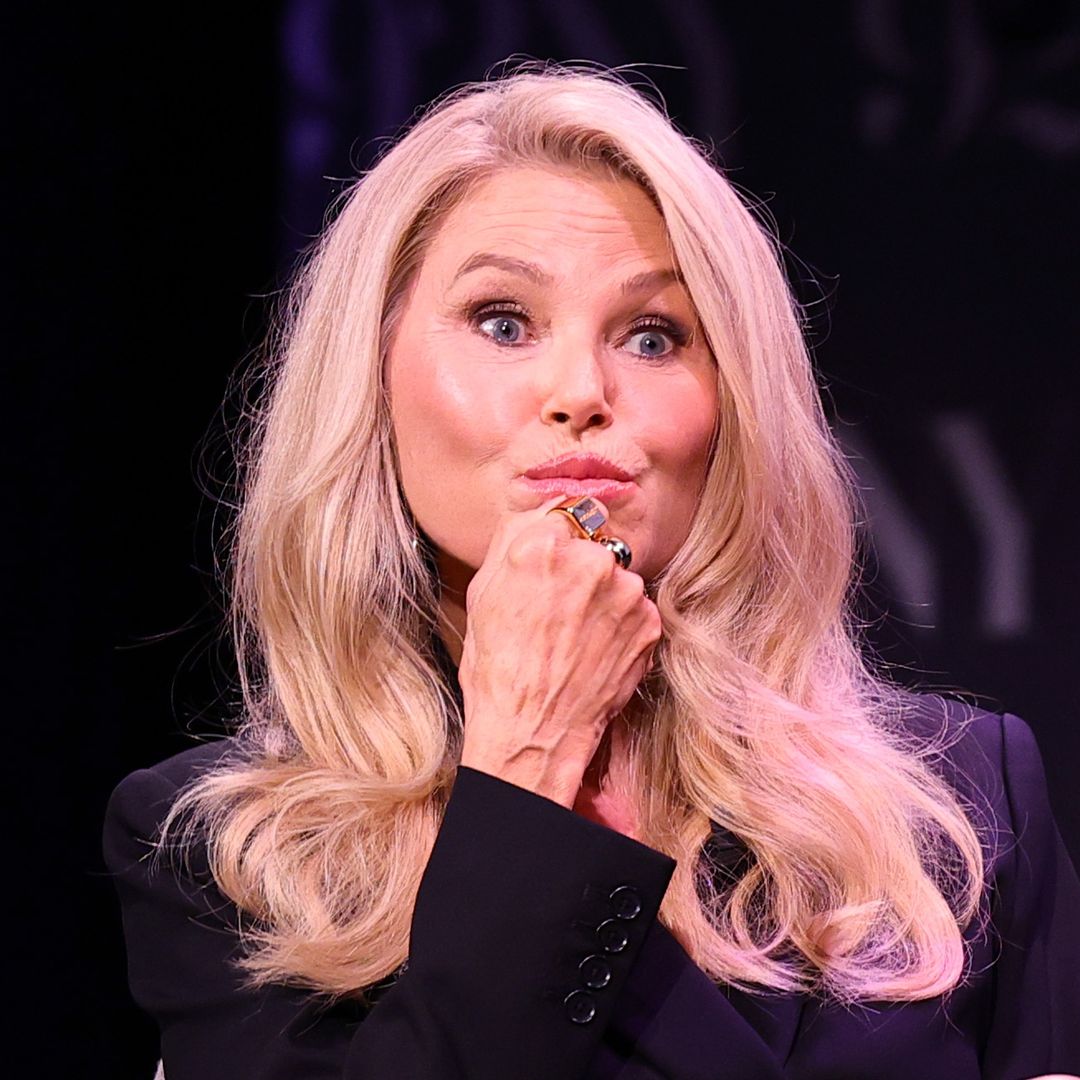
In the last two days, I learned that model Kendall Jenner has purchased a stake in British drinks brand Trip, becoming the face of the brand, and that musician Ellie Goulding has her own functional drinks brand, Every State, selling coffee, matcha and cacao.
Ellie and Kendall's functional drinks join the likes of Kylie Jenner's K20, which sells electrolyte powders to transform your water into a wellness drink, and Kim Kardashian's caffeine-free energy drink, Update.
It's not just the Kardashian/Jenner clan getting in on the functional drinks hype, though.
 © Instagram
Actress Gillian Anderson's G Spot drinks include Nootropics and adaptogens, Katy Perry's De Soi spritzes have adaptogens in, and David Beckham tried to inspire us with his IM8 powders that transform water into a functional drink. Lily Collins is on board too, appearing on the website sipping the IM8 offerings.
 © Instagram
All of which has left me wondering, is when did functional drinks become the new celebrity fragrance? In years gone by, it was perfume that every A-lister put their name to, and now it's health drinks.
Wellness expert and founder of collagen brand Elle Sera, Elissa Corrigan, chalks it down to wellness being the sought-after status symbol now. "Celebrities need something to attach their lifestyle to and apparently now it’s a beautifully branded can of water with some magnesium in it.
"Wellness has become part health, part identity and part social signalling. That's one of the reasons why celebrities are so powerful in this category. Celebrity fragrance sold you the fantasy of smelling like them. Celebrity wellness sells you the fantasy of living like them."
Why functional drinks?
It's easy to say the sudden influx of functional drinks is simply down to it being the latest big-bucks industry (Kendall's partnership with Trip is valued at an "undisclosed" amount), but there must be more to it than money… or am I being naïve?
 © Instagram
I spoke to Boots' nutritionist, Vicky Pennington, about the bombardment of beverages fronted by celebrities, and she suggested that it's simply due to consumer demand.
"Consumers are looking for new formats for functional health," she mused. "We want to build healthy habits, and these drinks help us to live a wellness-infused lifestyle."
Elissa agrees it's about buying into a lifestyle. "People want to feel good about consuming things and functional drinks gives consumption a health halo. Sober curiosity is a massive part of this, too. People might be drinking less alcohol, but they haven't lost the disposable income or the desire for the ritual of having a drink in their hand. Now they can spend £3 or £4 on something that also signals: 'Look at me, I'm looking after myself',
"People still want the ritual and enjoyment of having a drink, but functional drinks allow them to feel as though they’re doing something positive for their health at the same time."
 © Instagram
Visible wellness
Elissa believes a lot of the thirst for functional drinks is about the visibility of wellness, which is why lots of celebs are moving away from gummy supplements and into the beverage realm.
"Drinks are an incredibly natural evolution of the supplement boom because they turn wellness into something much more visible and social. Taking a capsule at home isn’t particularly exciting or Instagrammable. Holding a beautifully branded can when you're at the gym, walking down the street, or out with friends is."
It's the ease with which functional drinks fit into our day, too. "People already consume drinks, so you’re not asking them to create a completely new habit. You're taking something they already do and giving it a wellness story. For a celebrity building a lifestyle brand, that makes a functional drink a very attractive proposition."
 © Instagram
A healthy dose of cynicism
As someone who prioritises formulation in the supplements she sells, Elissa says she's obsessive about ingredients. While wellness drinks often house health-skewed ingredients such as CBD, adaptogens and functional mushrooms, it doesn't necessarily mean they're going to make a difference to your life.
 © Instagram
"An evidence-backed ingredient does not automatically make an evidence-backed product," Elissa laments. "That's why, when I see a fashionable ingredient written in enormous letters on the front of a can, that isn't enough for me. And to be clear, I'm not saying functional drinks are rubbish.
"There will be some brilliantly formulated products in this category. I'm saying consumers should apply the same scrutiny to them that they would to a supplement."
Promisingly, Vicky is on board with this notion, too.
She scrutinises the ingredients list of every functional drink that you find on the shelves in Boots. If ingredients don't meet the claims they're making, you won't find them in the store.

Will Kendall Jenner's affiliation with Trip make me swap my daily Coke Zero for the brand's CBD-infused offering? No, probably not. But Trip clearly thinks her backing is worth something…