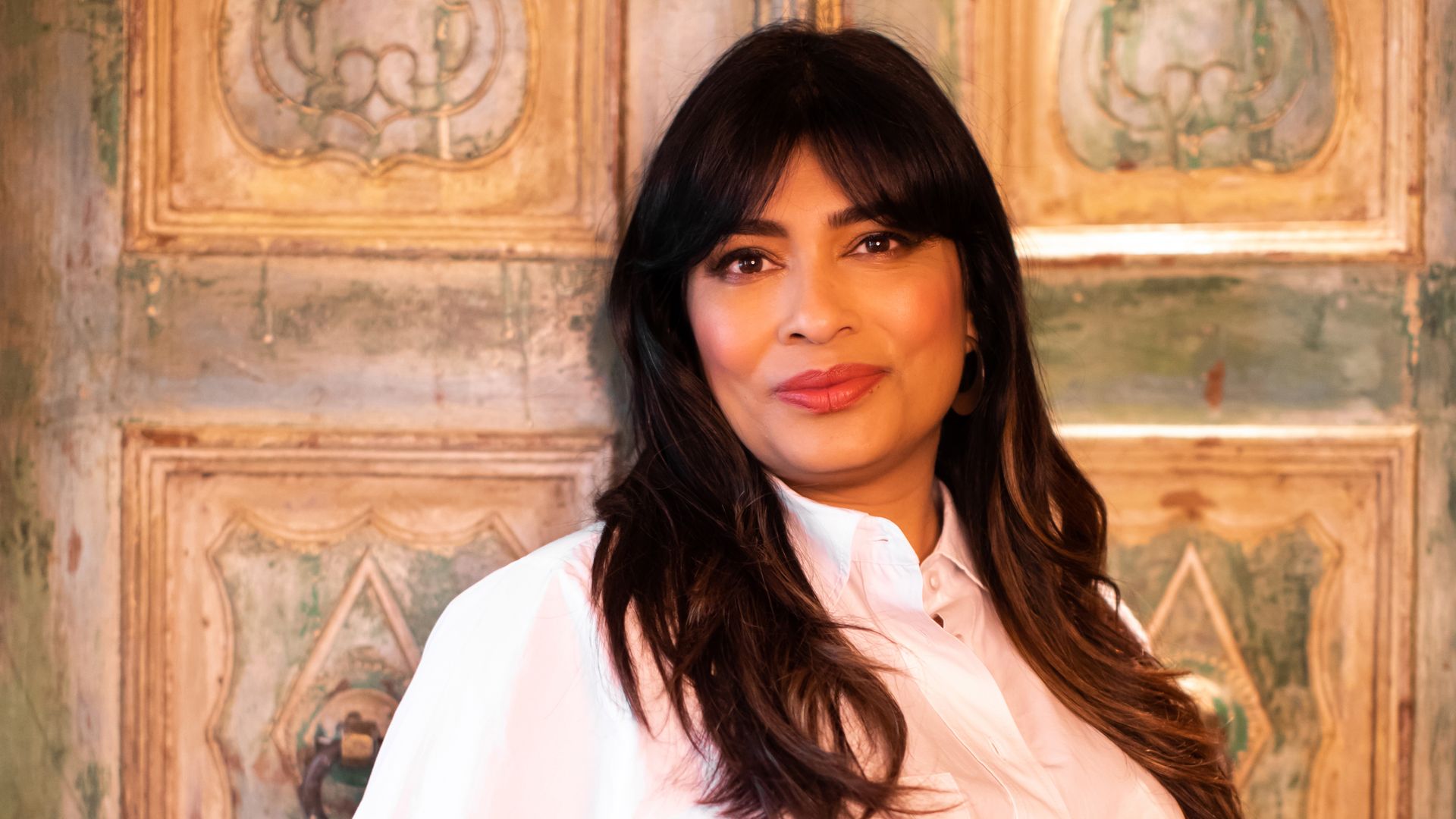

With statistics showing a big rise in the amount of ‘Silver splitters’ - midlifers heading for divorce - it can feel more unusual these days to hear of a 25 year marriage going the distance.
In this week's Second Act podcast Masterchef star Nisha Katona reveals her secret sauce behind her own long marriage - which may come as a disappointment to the romantics out there, but has been a proven recipe for her.
According to the Mowgli restaurant owner, there is joy in seeing your initial spark of relationship die and transform like a caterpillar into a beautiful butterfly - if it’s meant to.
“The length of the relationship isn't always the indication that it is the right one,” Nisha tells host Ateh Jewel.
“I think C.S. Lewis describes it as, first of all, you've got to have that chemistry, and that is the spark that starts the engine of marriage. But then once the spark is over, you've got to be able to drive it. And fundamentally you have to see the same truth. You have to be complimentary.
“There comes a point at the seven year itch where actually the spark has gone.
“My children, when they find the people they're going to marry, I will tell them that marriage will die.
“And I just think it's a really wonderful thing. When your relationship does die, there does come a point in your marriage where you've got to really stop and think, ‘okay, is this worth fighting for?’ And then sometimes it isn't. And if it isn't that's alright too.
“But for us that was the best thing that happened at ten years when we thought ‘is this really what we want?’”
Five Questions For Long Term Relationships
At that point these are the five questions Nisha says you need to ask yourself as a couple to see whether it is worth sticking with the relationship:
Are you companions?
Do you actually get on?
Do you enjoy doing the same stuff?
Do your values align?
Do you come away generally feeling empowered, walking taller, more fulfilled when you're with each other?
 © Instagram
Love Language
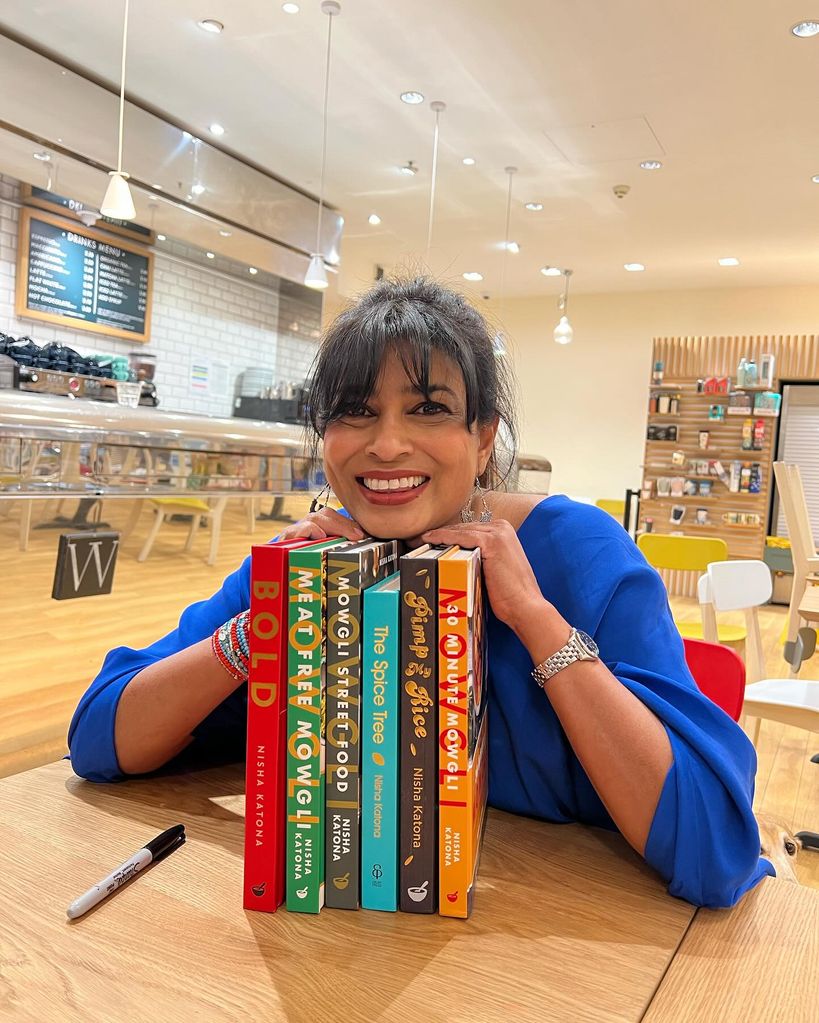
After a decade together, Nisha, whose book The Curry Bible is out now, and her musician husband Zoltan Katona faced up to some home truths and realised they weren’t speaking the same love language - the way an individual likes to receive emotional love and affection. For some this is presents, others physical touch, or acts of service, like making a cup of tea in the morning - but unless you are married to a mindreader you need to communicate this to let your partner know.
“I've been married for a long time. But it is a job,” Nisha says. “There is a duty for you as a couple to talk about how things are going, be brave enough to go out and sit down and say what is winding you up about me or this is the thing that I struggle with.
“I came to a point with my husband where I said, ‘I need you to compliment me.’ It's just not in his language at all. I needed it, he doesn't need it at all.
“If he's fixing the lawn mower for five hours, I've got to let him do it. That's what he wants me to do, he needs alone time. I need him to compliment me.
“I remember him saying, ‘well, what do I say? Do I like your leg?’ I said, ‘Tell me I'm pretty that will cover it.’ He doesn't know that so I had to tell him. If he then doesn't do it, then he can bugger off.
“That is how you fix relationships. It should be fixed with somebody who's willing to do that, and somebody who is willing to say, this is what I need from you.
“I hate gifts, I want you to hold my hand if we're walking in the street and let's watch Lord of the Rings. And you can teach that to your partner. They want to give you what you need.
“Going into relationships, you need to know this at the beginning. This is so important, it should be said on the first date.”


