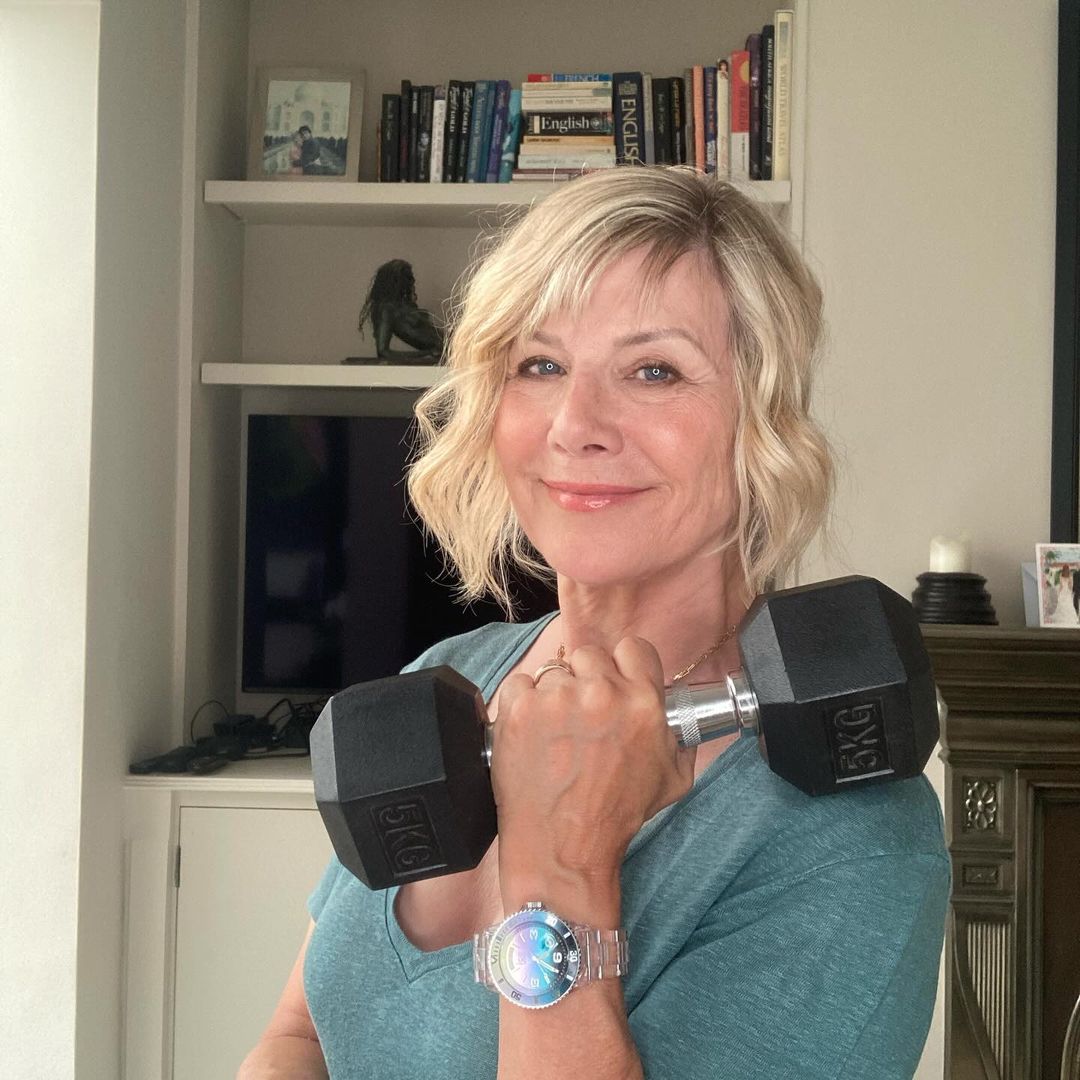
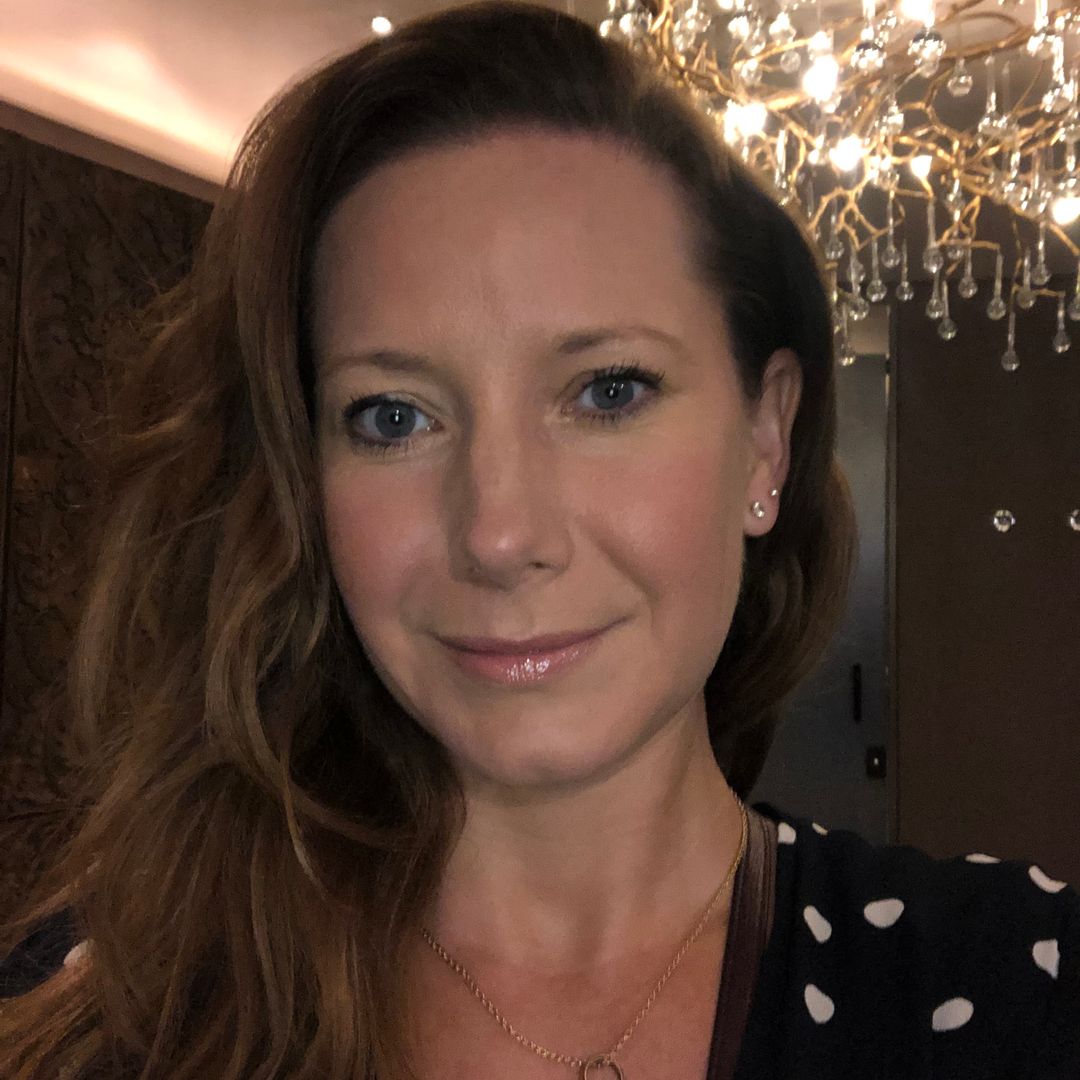
BBC Proms presenter Katie Derham turned 56 earlier this year. And it wasn’t lost on her that she is now the same age as her mother Margaret was when she was diagnosed with early-onset Alzheimer's; a progressive brain disorder that slowly destroys memory, thinking skills, and the ability to carry out simple tasks.
In recent years she has ‘stopped being so anxious’ about the cruel condition that plagued her super bright mother before she died aged just 61 of complications due to pancreatitis.
But as Katie moves into her own second act of life, there is another layer of grief she feels at being robbed of the chance to ask all the questions she has about her mothers own experiences of getting older.
“A lot of the things we talk about, how you act and respond to changes in midlife and so on I don't know how she responded to that because she was already so ill by the time she was that age,” she tells Ateh Jewel on this week’s Hello! Second Act podcast.
“So I don't know how she really responded to the menopause. I don't know what she would be like as a young grandma. I don't know what she would have been like as an older grandma, would she have suddenly had a massive third act herself and gone off traveling? Would she and dad stayed together?
“That sort of feels kind of a bit odd that I don't have any of that modeling now.
“When doctors say, ‘do you know what you family medical history is?’ I’ve no idea what might happen in the next ten years.”

Watching her mother decline from an intelligent teacher, who loved music and word games to not being able to take care of herself, changed Katie’s outlook on life.
“There were happy moments where I remember her singing to Natasha and being a grandmother. She died when she was three and never got to meet my youngest daughter,” says the mother-of-two who runs her own production company Peanut and Crumb and is married to LEON entrepreneur and longevity advocate John Vincent.
“It definitely changes you. It made me more determined in some respects, to try and make sure that I carried on doing well for her but also that I didn't let that happen to me as well. It's not exactly clear why people get early onset, but there's certainly lifestyle choices that you can make to try and make good lifestyle choices for your health.
“I definitely have that feeling now of just don’t waste time. And remember to enjoy these wonderful things that we're all doing, whether it's work or your family or whatever it might be - go for it and just enjoy it.”
Tips to prevent Alzheimers
While there is no current cure for Alzheimers, there are some things that medicial experts have identified that we could do to try and minimise the risk.
According to Alzheimers UK there are three main areas we should focus on:
1. Look After Your Heart
Conditions such as high blood pressure, high cholesterol and type 2 diabetes are all linked to dementia risk because they can affect how well blood flows to the brain.
Taking steps to care for your heart is an important part of protecting your brain health.
We should all be doing this anyway, but in basic terms that means cutting down on alcohol and smoking, take regular exercise and keep an eye on your diet, weight and stress levels.
2. Stay Sharp
Keeping your brain active and supporting your mental wellbeing may help reduce your risk of dementia as you age.
Factors such as depression, head injury and lower cognitive stimulation have all been linked to changes in brain health
Reading, doing puzzles, listening to music and learning something new can help your brain work in a new way.
3. Keep Connected
Staying socially connected and engaged with others is an important part of maintaining brain health and reducing dementia risk.
Hearing loss, social isolation and vision problems can make it harder to stay connected and may increase risk over time.
Finding ways to stay involved with others can help support both your wellbeing and your brain.
So make sure you are seeing family and friends or at least talking to people on the telephone to feel connected, and keep up to date on optician and hearing appointments before it becomes an issue.
While there is no guarantees that this will stop the cruel disease in it's tracks, just making subtle lifestyle changes such as these is never a bad thing, and it's never too late to start.
To hear more from Katie Derham, listen to the Second Act podcast, now on Apple Podcasts, Spotify, Amazon Podcasts and Youtube.