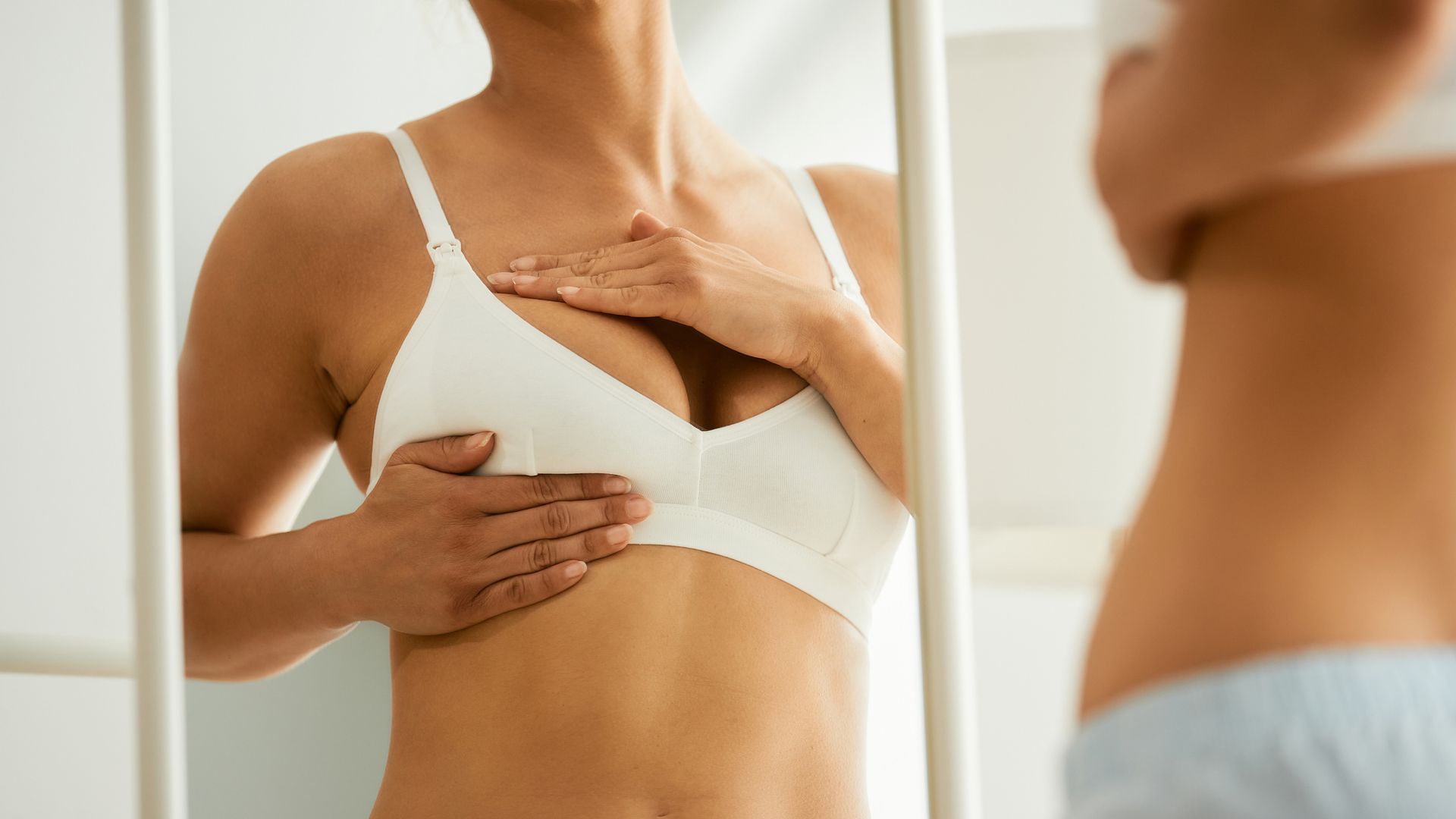
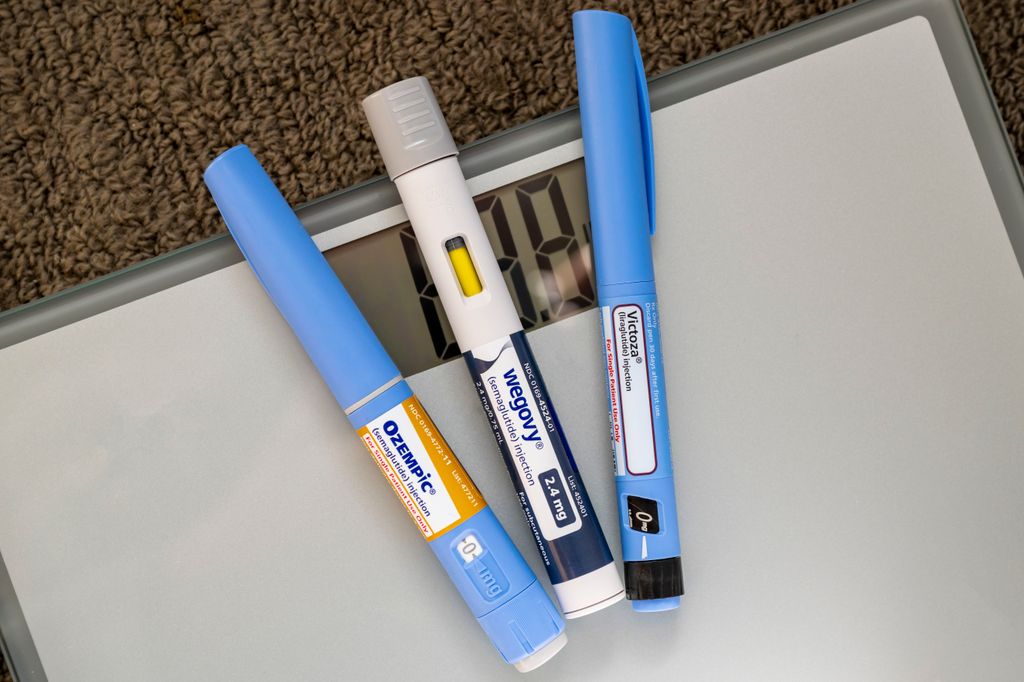
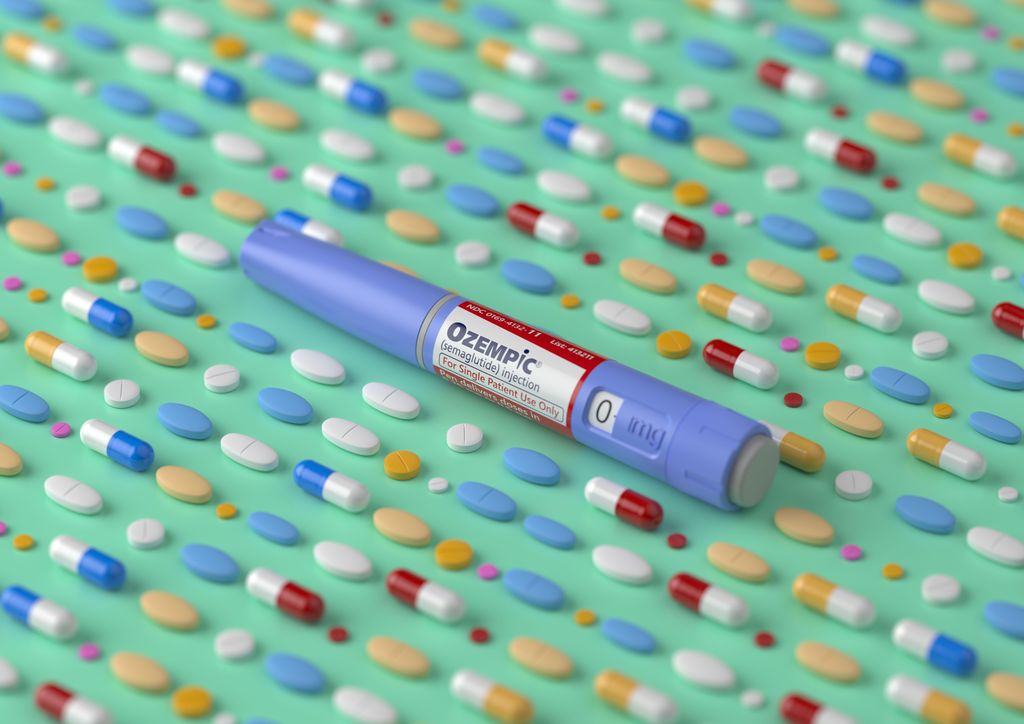
It’s the latest side effect from the increasingly popular use of Ozempic and it’s sparked plenty of curiosity (and concern) among women on weight loss medications. Dubbed 'Ozempic breasts', the term describes a noticeable change in breast size, shape and fullness following rapid weight loss on popular GLP-1 drugs like Ozempic and Mounjaro. While the phrase may sound new, experts say the phenomenon itself is anything but. HELLO! speaks to a plastic surgeon and a weight loss expert to get the low down.
Why the term “Ozempic breasts” is trending
According to Dr Douglas M. Monasebian, a board-certified plastic surgeon, “Ozempic breasts” refers to the visible changes that occur in the breast as the body loses fat quickly on semaglutide medications. "Since Ozempic causes rapid weight loss and loss of fat, there is a decrease in the volume of the breast," he explains. "The breast is composed not only of breast tissue but also of fat tissue, and Ozempic affects hormones including estrogen, which influences breast tissue as well."
Dr Angela Kwong, a weight loss expert, adds that the trend has emerged simply because more people are now using GLP-1 medications and noticing these body changes firsthand. "This is trending as a larger proportion of people are accessing GLP-1 medications and noticing changes to their chest and seeking advice," she says. "While it does have a catchy label, the change itself is not new, breast size and fullness can shift with any rapid or significant weight loss, whether through lifestyle change, bariatric surgery or other medical therapy."
 © Getty Images
Why weight loss can change breast size and shape
The breast is made up of glandular, fibrous and fatty tissue and it’s the fatty portion that is most affected when the body sheds weight quickly. "Because of the rapid weight loss seen with Ozempic-type medications, fat is lost from the breast," says Dr Monasebian. "This results in loss of volume. When the skin can’t shrink as fast as the volume goes down, sagging can occur, a condition known as breast ptosis."
Dr Kwong echoes this explanation: "When body fat is reduced, the fatty portion decreases in volume, which can affect size, shape, firmness and symmetry," she says. "Skin elasticity also plays a role, particularly with quicker or larger-volume loss, leading to a looser appearance for some people."
 © UCG/Universal Images Group via G
Are these changes specific to Ozempic?
Despite the catchy nickname, both experts agree that these changes are not exclusive to semaglutide medications. "If there is any significant weight loss, we see similar changes," says Dr Monasebian. "It’s not a direct side effect of the medication itself but rather of the rapid fat loss it causes."
Dr Kwong agrees: "No, they are related to the weight loss process itself rather than the medication. The same changes occur with other forms of weight reduction and are more noticeable when the rate of loss is faster than the body’s ability to adapt."
 © Alamy Stock Photo
What experts say about managing symptoms
For most people, these breast changes are purely cosmetic, and there are steps that can help. "When there are changes in the female breast, surgery can be performed not only to restore volume but also to remove excess skin," explains Dr Monasebian. "A breast lift procedure, known as a mastopexy, removes excess skin and can be combined with augmentation to restore lost fullness."
But surgery isn’t the only solution. Dr Kwong recommends focusing on supportive, body-positive measures first. "For most people, these changes are cosmetic rather than uncomfortable," she says. "Reviewing your rate of weight loss with your prescriber can be helpful, along with supportive measures such as a good bra and strength training for posture and comfort."
 © Getty Images
When to speak to a doctor
While most breast changes are harmless, both experts stress the importance of paying attention to any unusual symptoms. "If the weight loss is associated with pain, lumps, or any rapid changes in the breast, seek medical advice immediately," cautions Dr Monasebian. "There have been no studies showing Ozempic increases breast cancer risk, but any new or concerning symptoms should be checked by your doctor."
Dr Kwong agrees, noting that not all changes should be attributed to weight loss alone. "If changes only occur on one side, or there’s new pain, swelling, discharge or a lump, these symptoms may not be explained by weight loss and should be assessed promptly by your doctor," she says.
The bottom line
"Ozempic breasts" may be a viral talking point, but experts say it’s really just part of the body’s natural response to losing fat quickly. Whether weight loss comes from medication, surgery or lifestyle change, the effects on breast tissue are the same, and often temporary or manageable.
As Dr Kwong puts it: "The best approach is to be kind to your body, give it time to adjust, and seek support when you need it, whether that’s from your doctor, your trainer, or even your bra fitter."
Expert bios
Douglas M. Monasebian, MD, DMD, FACS is a New-York based Board-Certified plastic surgeon and practices the full scope of plastic surgery with an emphasis on aesthetic procedures. He is uniquely skilled in performing facial, aesthetic, and reconstructive procedures.
Dr. Angela Kwong, MBBS DCH FRACGP is a Sydney-based GP and the NSW State Lead for the RACGP Specific Interests Group in Obesity Management. She is the Founder of Enlighten Me, an award-winning medically supervised weight management program and doctor designed meal replacement shake.


