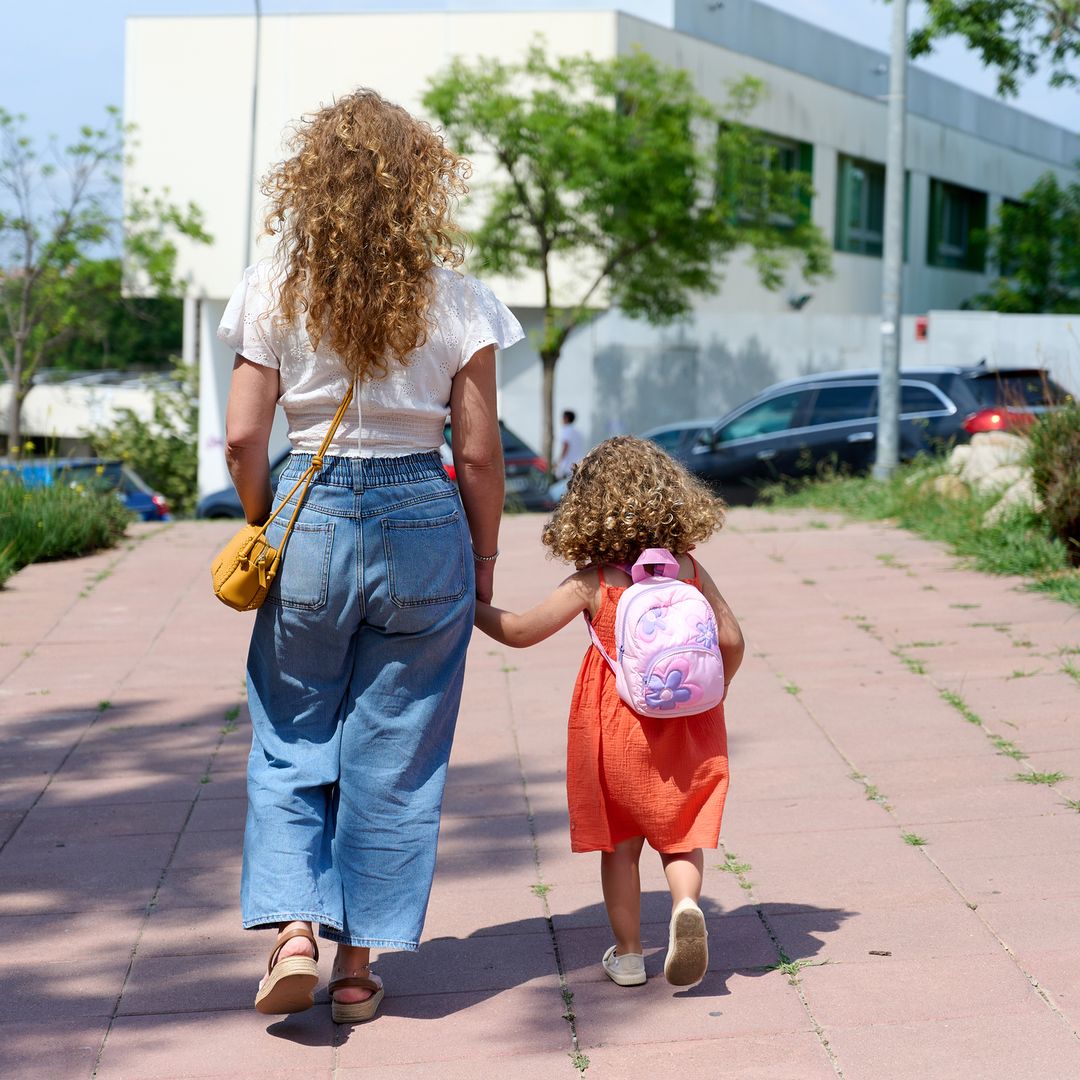

Many people consider September the real start of the year, particularly those who have children or young teens heading into a new school term and chapter of their academic life. For those who have children going to school for the first time, the time of year is even more monumental as they reach one of the most important milestones of their lives. But although it can be a time of excitement, it can also come with anxiety, overwhelm and emotional upset for both the child and parents.
One of the anxieties that comes with sending your child to school for the first time is the uncertainty around whether they are ready. In fact, a study conducted by CBeebies found that over a third of parents are unaware of what school readiness skills are and feel stressed and confused about their child starting school.
Parenting expert and clinical psychologist, Dr Martha Deiros Collado, teamed up with CBeebies to address the issue. Whether your child is starting school for the first time or returning for a new school year, Dr Callado has shared her top tips with HELLO! about how to assess whether your child is truly ready and, if they aren't, how to overcome emotional barriers and ensure a seamless transition.
 © Getty Images
Signs your child isn't ready for school yet: They lack social skills
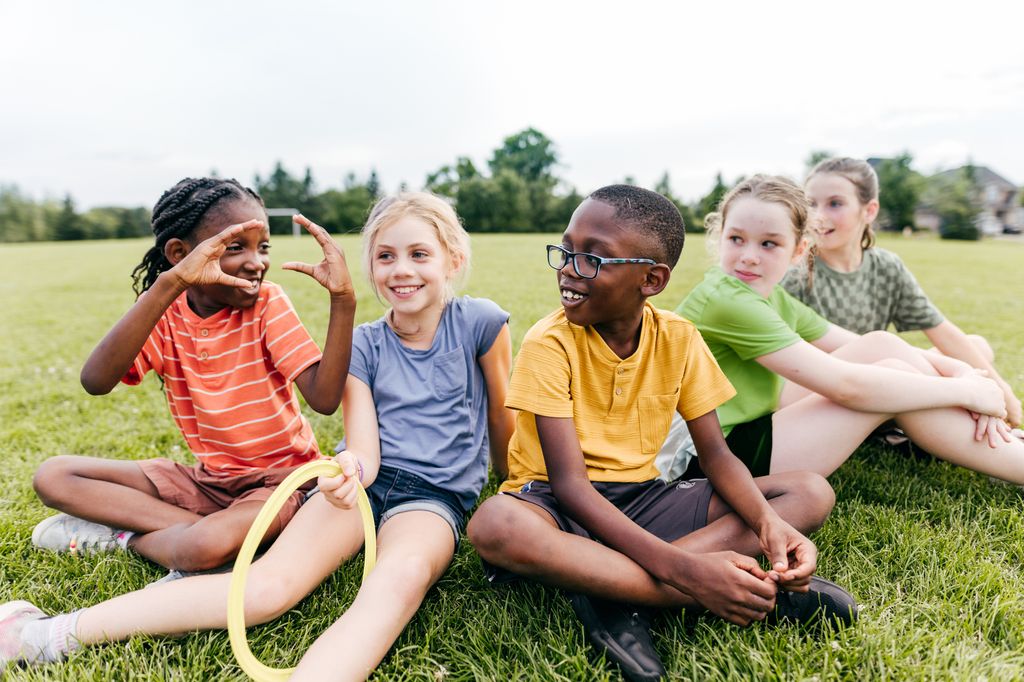
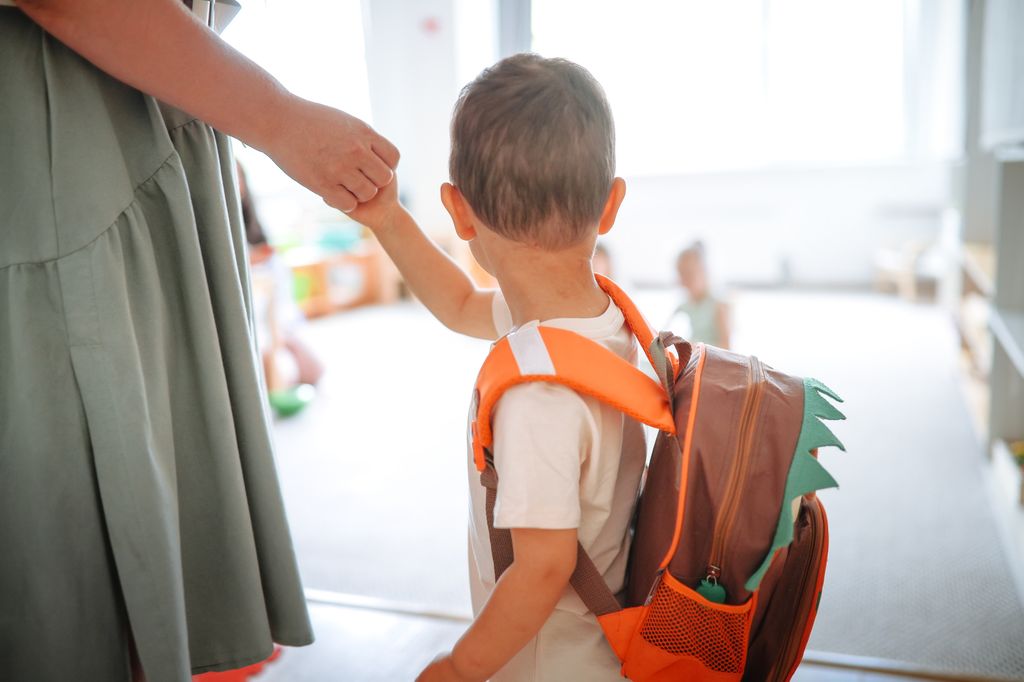
It might sound like a blanket term, but Dr Callado advises that social skills are important when a child begins school. If you're unsure how to spot them, the expert says that social skills can look like "turn-taking, listening, sharing some of the time," as well as "observing and playing alongside and with others".
 © Getty Images
They struggle to follow instructions in daily activities
Dr Callado also notes that another sign might be if your child struggles to follow instructions in daily activities, she explains, "whether it's bringing you their cup to fill with water or following simple steps and rules of a game such as snap."
 © Getty Images
They rely on you for self-care tasks
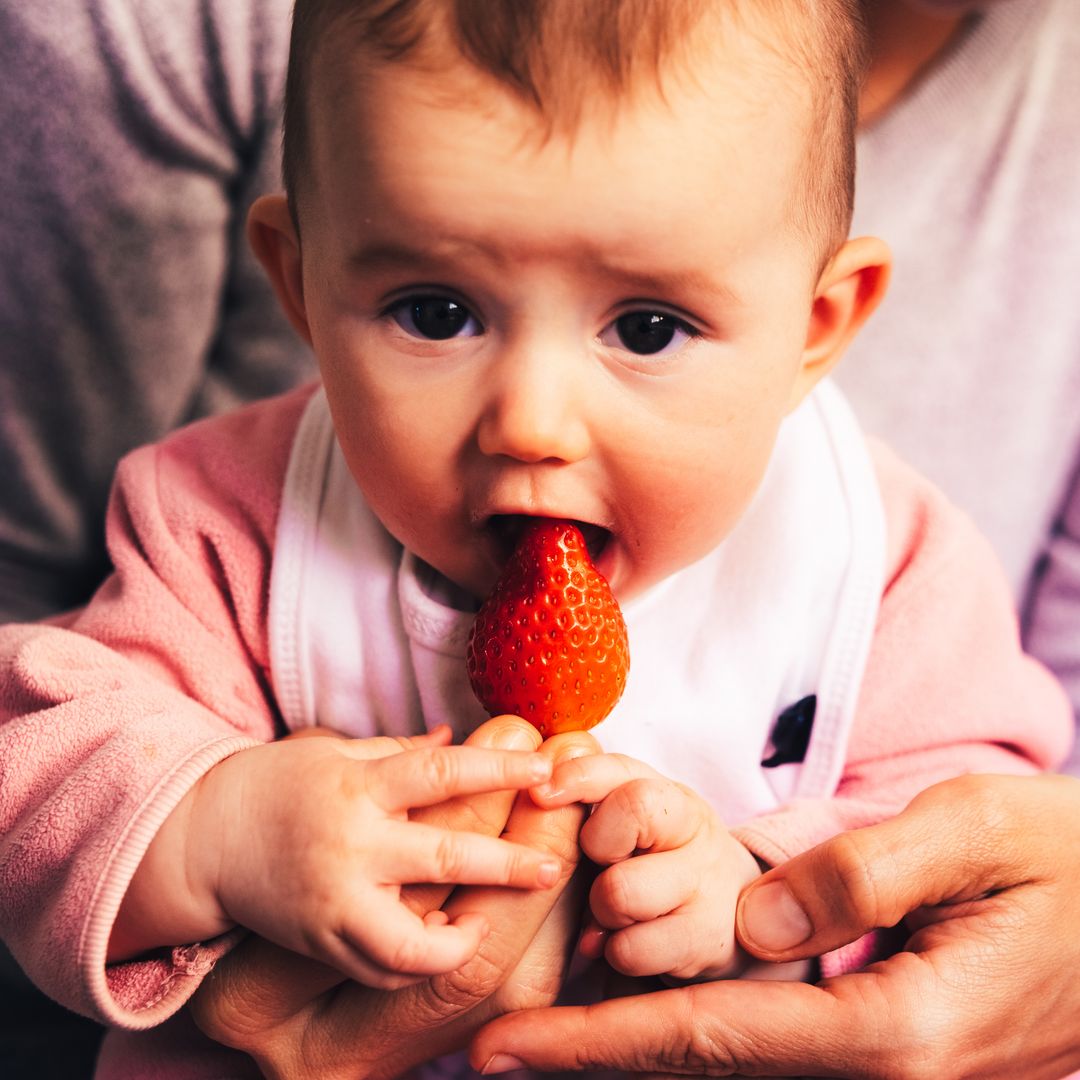
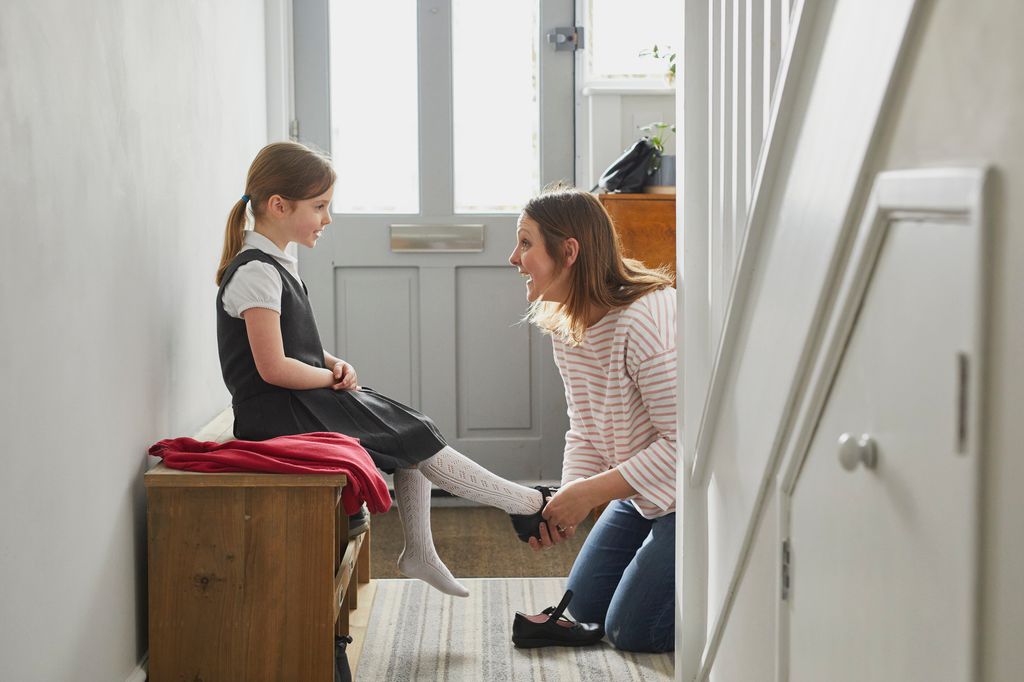
Dr Callado notes that it is age-appropriate for your child to need your help to do buttons and cut up their food, for example. "It is different to relying on you to put on clothes or eat their food using a fork or a spoon," but if your child is relying on you for other self-care tasks, then it could be a sign that they're not quite ready.
 © Getty Images/iStockphoto
They don't seek adult support in a timely way
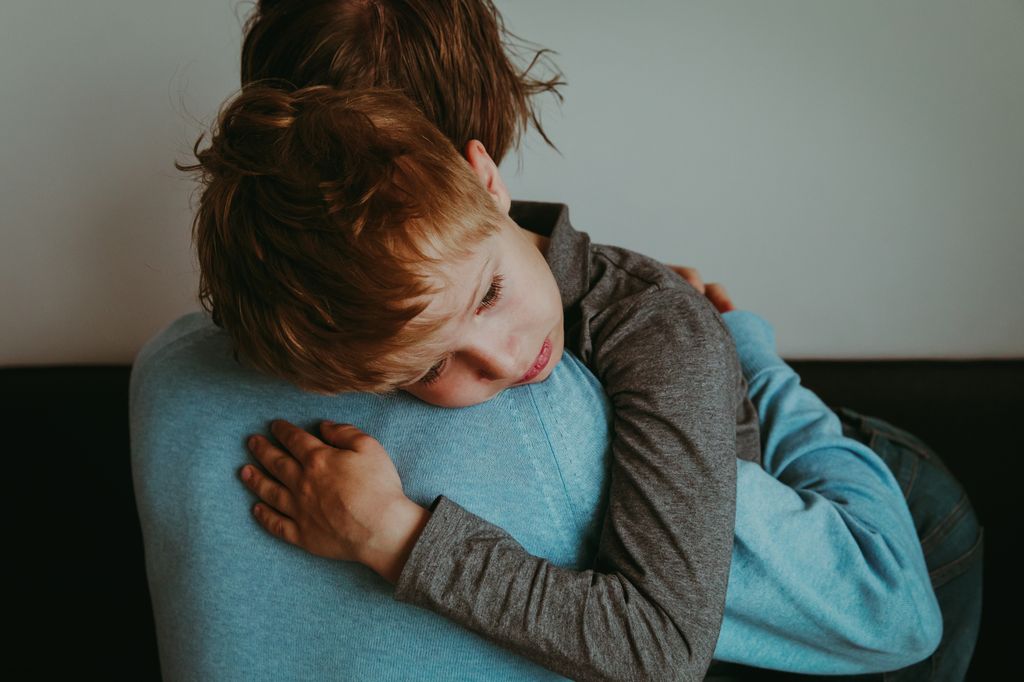
Another sign from Dr Callado that they're not quite ready is if they don't seek adult help: "For example, they may not ask an adult for help when they get stuck with a zip or a toy."
However, it's important to note that even if your child does show these signs, it doesn't have to be a huge cause for concern. "It's nothing to worry about if your child isn't quite ready to manage some of these things. All children learn skills at their own pace. You can support your child in building these skills alongside school by gently practising in everyday situations and offering lots of praise for their efforts and successes."
 © Getty Images
How to overcome the readiness barrier: Small separations and practice transitions
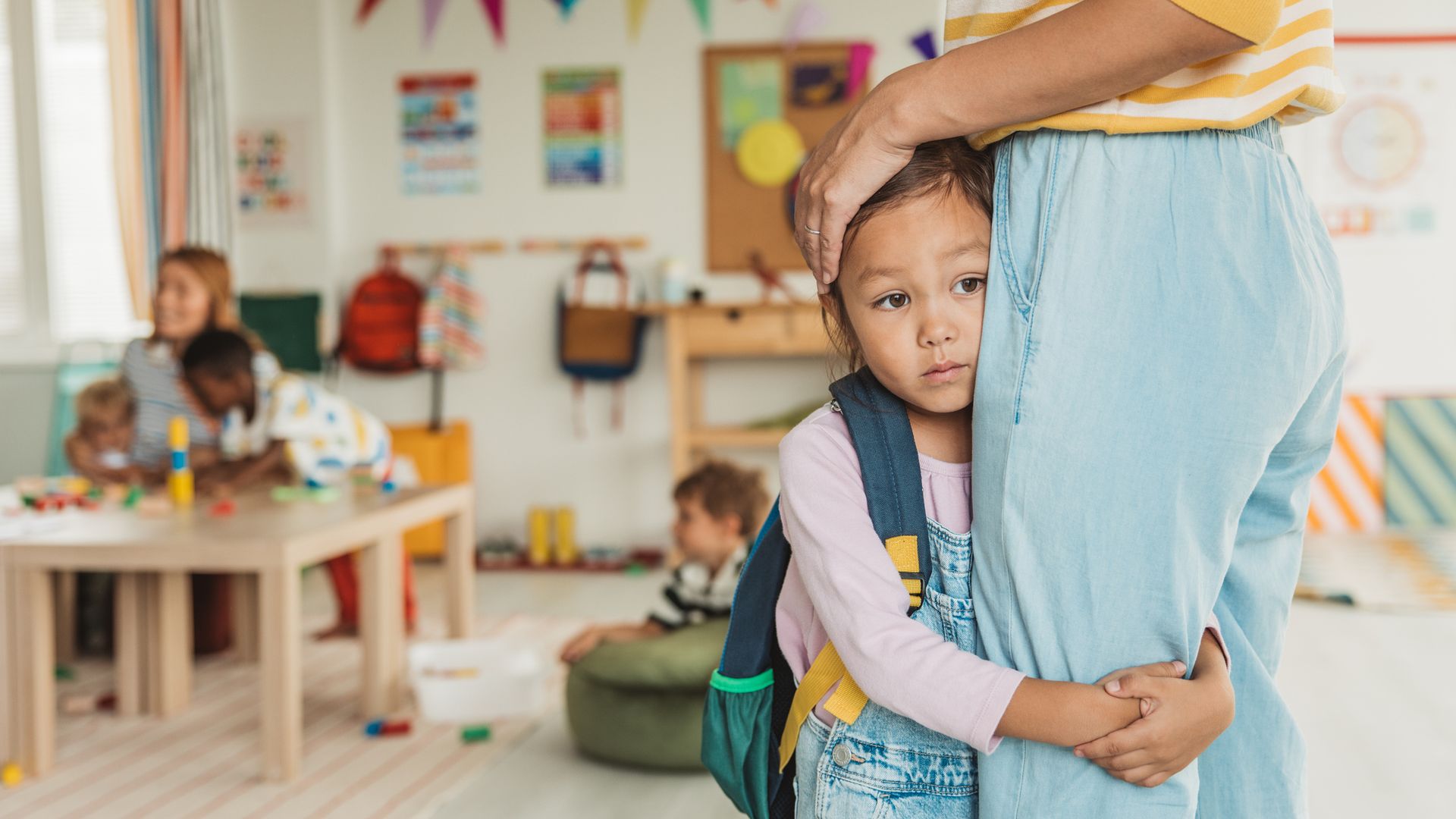
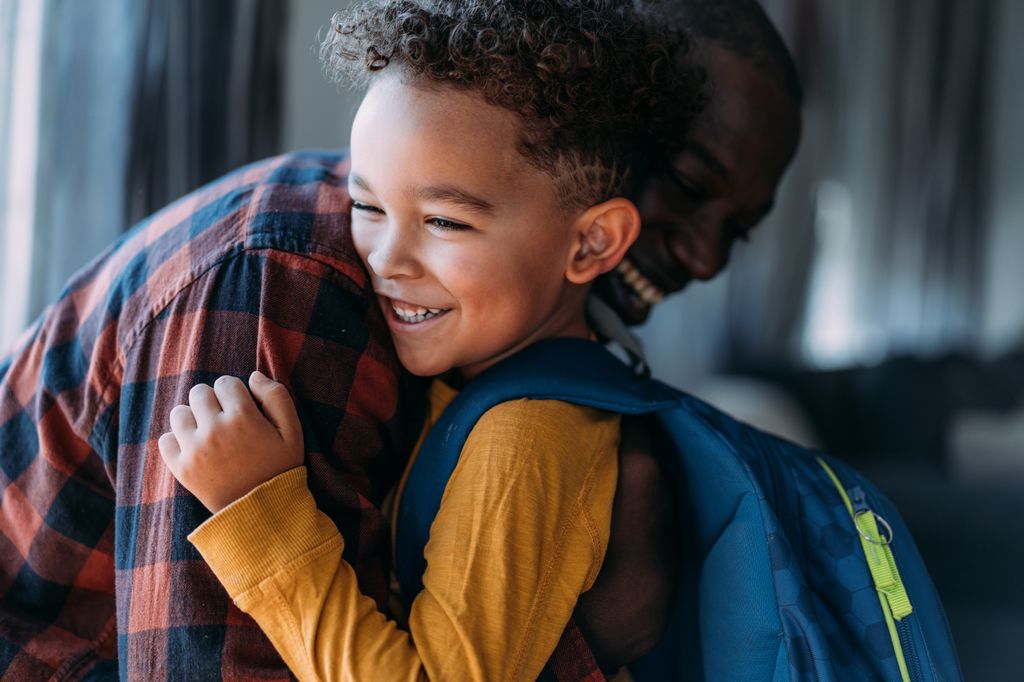
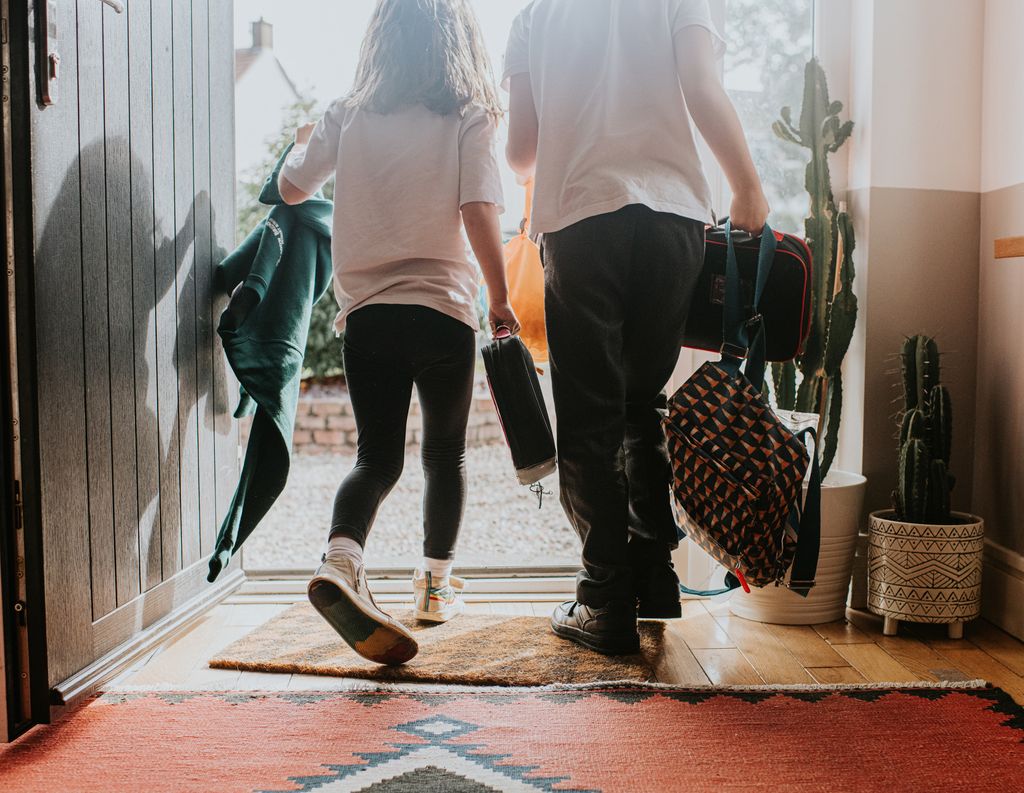
Fortunately, Dr Callado also offers her expertise on how you and your child can practice overcoming some of these barriers that will, in turn, elevate their readiness levels as they transition into school life. One method is to incorporate small separations. "Practise saying goodbye during short stays with a trusted adult. Give your child a concrete sign of when you will return that isn't time-based (e.g. 'I am going to the shops. I will be back after Nanny gives you a snack'). Small separations build trust and safety over time."
 © Getty Images
Grow independence
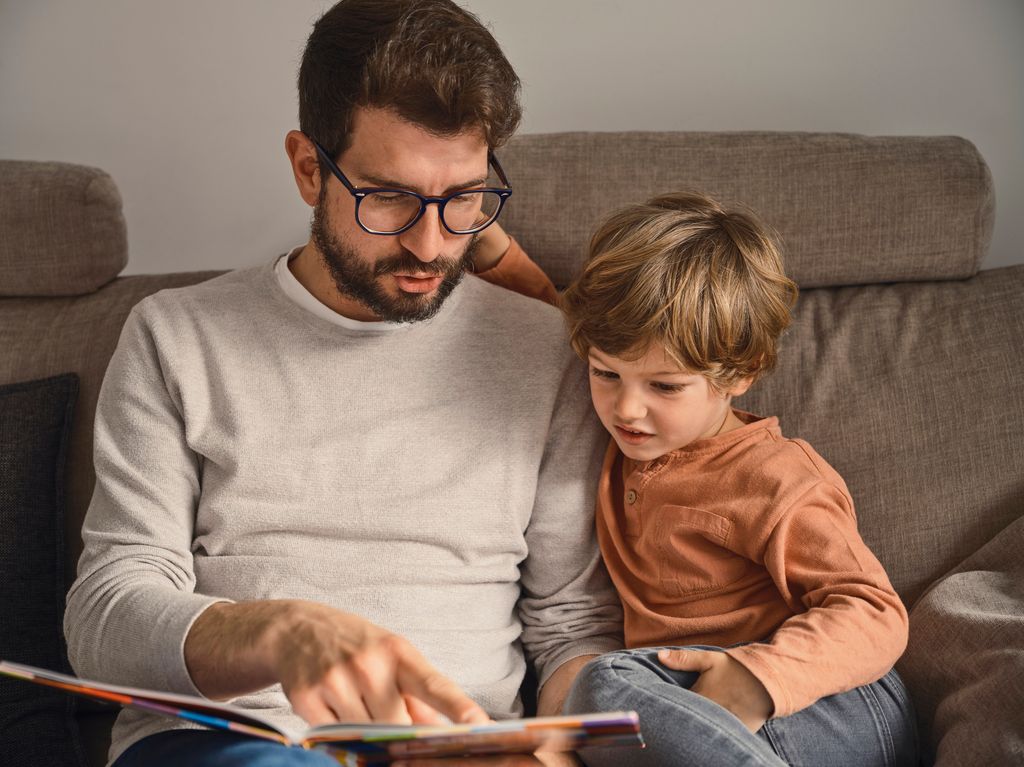
To grow independence, Dr Callado suggests you encourage your little one to perform daily tasks themselves. "Encourage your child to do simple daily tasks under your supervision. Support them as needed but let them make mistakes without punishing or shaming. It's in the messy trial and error that children learn best. This might look like putting their shoes on, washing and drying their hands, putting on clothes, and eating with cutlery."
 © Getty Images
Build emotional literacy
Dr Callado advises: "Expand your child's vocabulary about feeling. Use books and images to help label emotion and consider alternative experiences. For example, if a child is crying in a book, talk about whether it is sadness, frustration, anger, disappointment, etc. When children are better able to label and recognise emotions, they find it easier to express themselves with words rather than behaviour."
 © Getty Images
Create social opportunities, role play
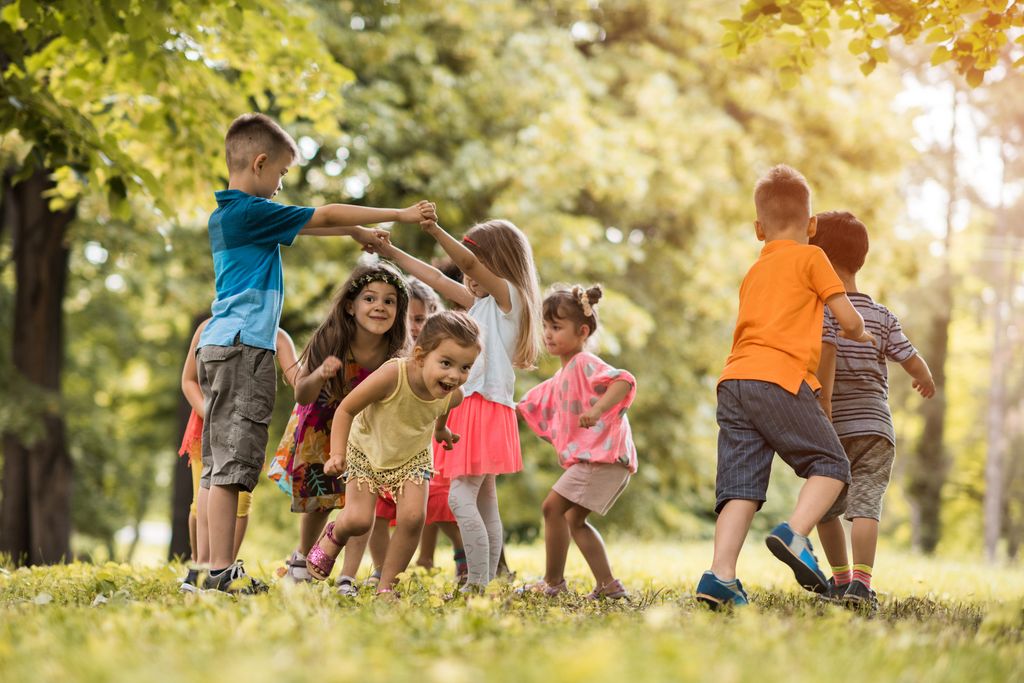
Other methods that parents can adopt to prepare their children's readiness skills are role-play and creating social opportunities. Dr Callado notes: "Join your child in role-playing what it is like to go to school, sit in a circle and put their hand up to say their name, put coats on pegs, or ask the teacher for help. Role play can help to build confidence and help your child practice skills. Arrange playdates with friends and family where your child can practise turn-taking, sharing, and greeting others as well as listen, observe, and learn from older children’s interactions. The more social practice your child gets, the more confident they will be when meeting new children at school."
Dr Callado also recommends watching Dodge on CBeebies with your child. "Our favourite pup is also starting out at school. Watch as he learns the morning routine and the things he needs to do at school. Watching a show like Dodge and talking about it together can help children visualise what their experience might be like, open up about any worries they might have and think about solutions together."