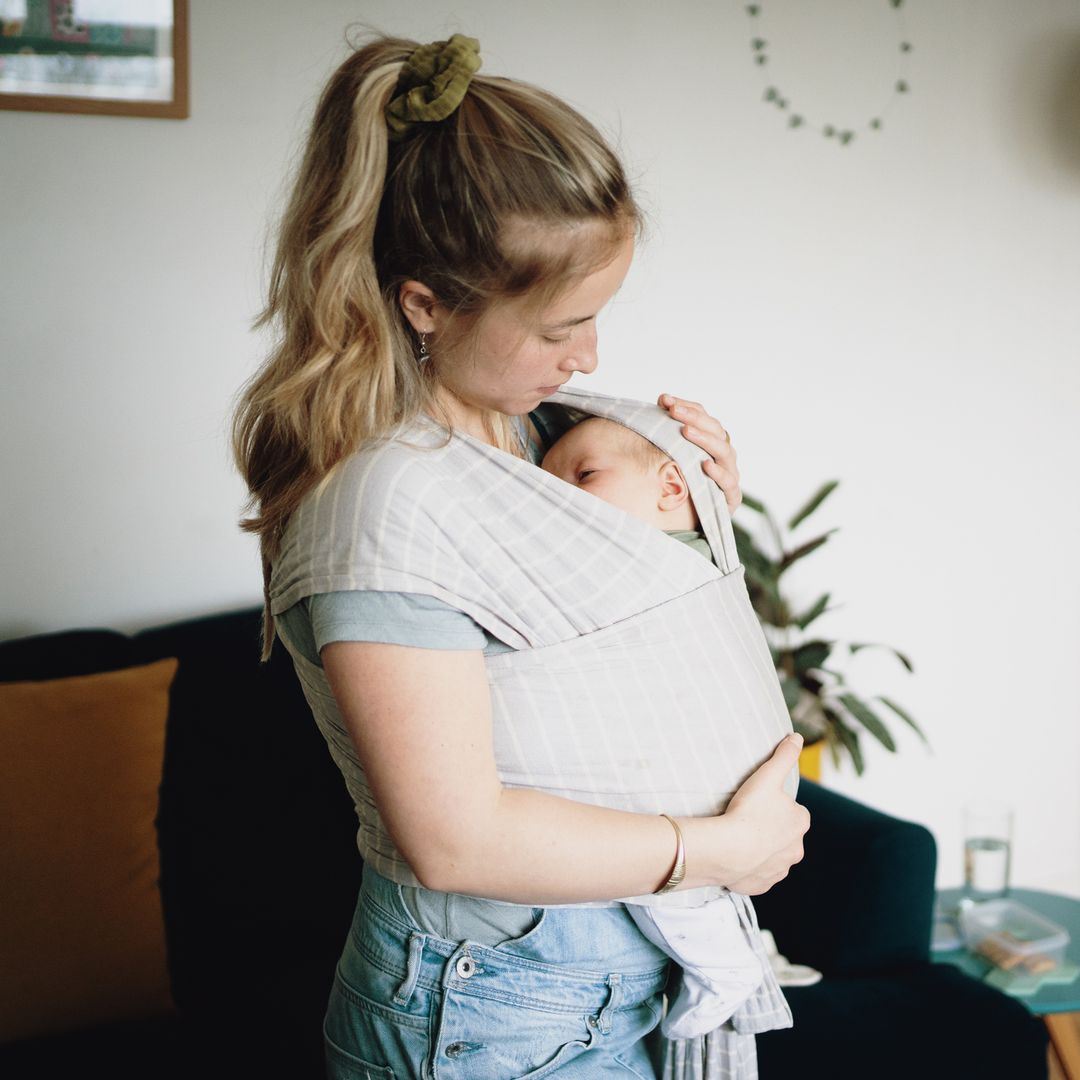

Gentle parenting is a term that often gets bandied around. Often associated with parents who refrain from punishing their children, it has become a somewhat divisive parenting issue, with some seeing the benefits of this emotion-led approach, while others fear it may nurture a mentality where a parent is afraid to tell their child 'no'. However, as with many ways of parenting, gentle parenting is perhaps a more nuanced technique than it is given credit for being. Here to bust all the myths around this much-debated form of parenting is Laura Gwilt, Swift Psychology's Child and Adolescent Therapist.
Explaining the term from an expert perspective, Laura tells us that gentle parenting is an approach that emphasises empathy, respect, understanding, and clear boundaries. "Instead of relying on punishment, it focuses on guiding children through their emotions and modelling the behaviour we hope to see. In my therapy work, I often see how children thrive when their feelings are acknowledged rather than dismissed. It builds trust and a sense of safety. Research also shows that children are more likely to internalise healthy coping strategies when discipline is paired with connection." Maybe gentle parenting shouldn't be written off so quickly? Keep scrolling for everything you need to know about gentle parenting, plus an insight into the pros and cons…
Why might parents consider gentle parenting?
Laura says that parents are often drawn to gentle parenting because it nurtures a close, trusting relationship with their child. "It is a way to move beyond fear-based discipline and towards building cooperation and emotional resilience," she says. "From a therapeutic perspective, I notice that families who use this approach often report less daily conflict and a greater sense of connection at home. Evidence suggests that children raised with warmth and consistency develop stronger social and emotional skills in the long term."
 © Getty
Gentle parenting is becoming increasingly popular, even with celebrities. 'No Air' singer Jordin Sparks revealed in 2024 how she has implemented this approach with her son, DJ, seven. "I talk to him through everything pretty much, and then we sing and we laugh," she revealed. "If there's something that's happening, or he's frustrated or feeling irritated, I try to talk him through those feelings, but if that doesn’t work, I try to do something funny."
Dr Sasha Hall, an educational psychologist and mother of two under five, shares her perspective. "I've really tried to take a gentle approach to parenting because I wanted to break the cycle of physical discipline that was common when I was growing up. It might have been seen as acceptable at the time, but for me, it’s not something I would ever consider as a parent," she says. "As a former nursery nurse, primary school teacher, and now an educational and child psychologist, I believe in practising what I teach. I want to model calm communication, empathy, and emotional regulation, even though those are skills I've had to learn myself as an adult."
She adds: "Society feels so rushed now, and I often catch myself trying to rush through a tantrum or a difficult moment just to get it over with. But I've realised that slowing things down really helps. When I take a breath and stop worrying about what others think, I can actually guide my child through their emotions instead of trying to control them."
How can parents implement gentle parenting?
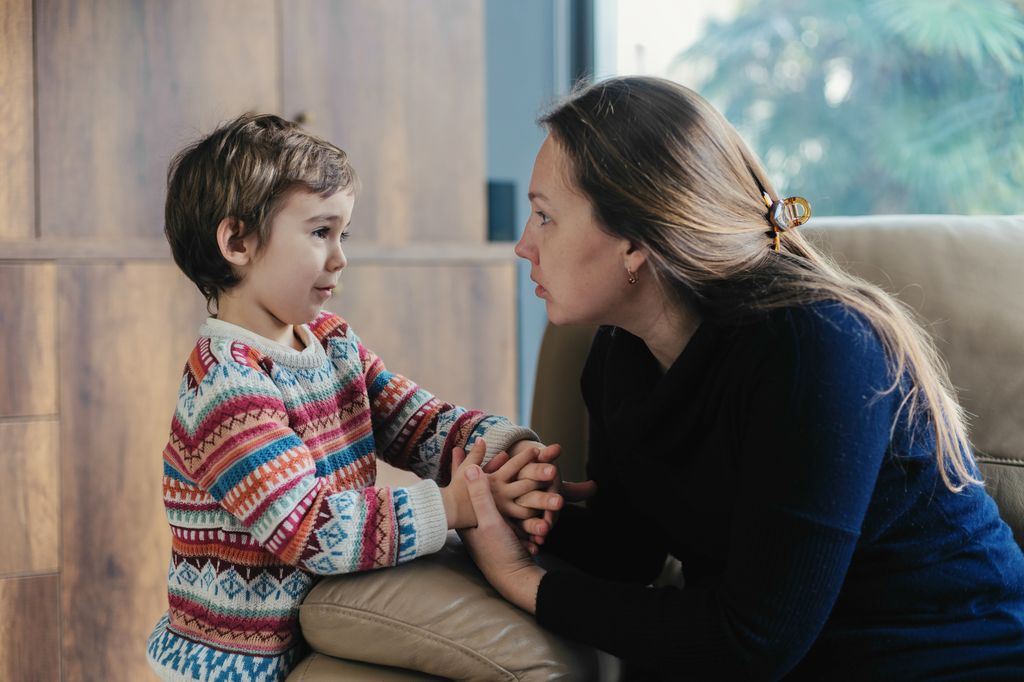
When it comes to what this might look like day to day, Laura says practical steps include staying calm during conflict, validating a child’s feelings, setting clear and consistent boundaries, and teaching problem-solving rather than relying on punishment. "Gentle parenting isn't permissive - it's about guiding with respect while still holding limits," she says.
 © Getty
"In therapy, I often encourage parents to reframe language, for example, replacing 'stop being naughty' with 'I can see you’re frustrated, let's work through this', which helps children feel seen without excusing poor behaviour. Even small adjustments like this can transform difficult moments into opportunities for learning."
What are the benefits of gentle parenting?
Though gentle parenting has become a somewhat controversial way of doing things, it isn't without its benefits. Laura explains: "The benefits can include stronger emotional regulation, secure attachment, and higher self-esteem. When children grow up feeling respected, they are more likely to respect others in return."
 © Getty
She adds: "In my clinical experience, the most successful families are those who combine warmth with structure, ensuring that children feel both loved and guided. Done well, gentle parenting equips children with resilience and empathy that last into adulthood."
What are the negative impacts of gentle parenting?
 © Getty
However, the approach wouldn't be divisive if it weren't associated with some negative results. This largely relates to the idea that gentle parenting sees parents avoiding discipline altogether. The Chair of the Association of Play Industries, Dr. Amanda Gummer, tells us that this prevents a child from understanding what their parents expect of them. "If children lack clear boundaries, it can lead to inconsistency or confusion for children who need structure as well as empathy," she explains. "The key is balance - being kind and respectful, but also firm and consistent."