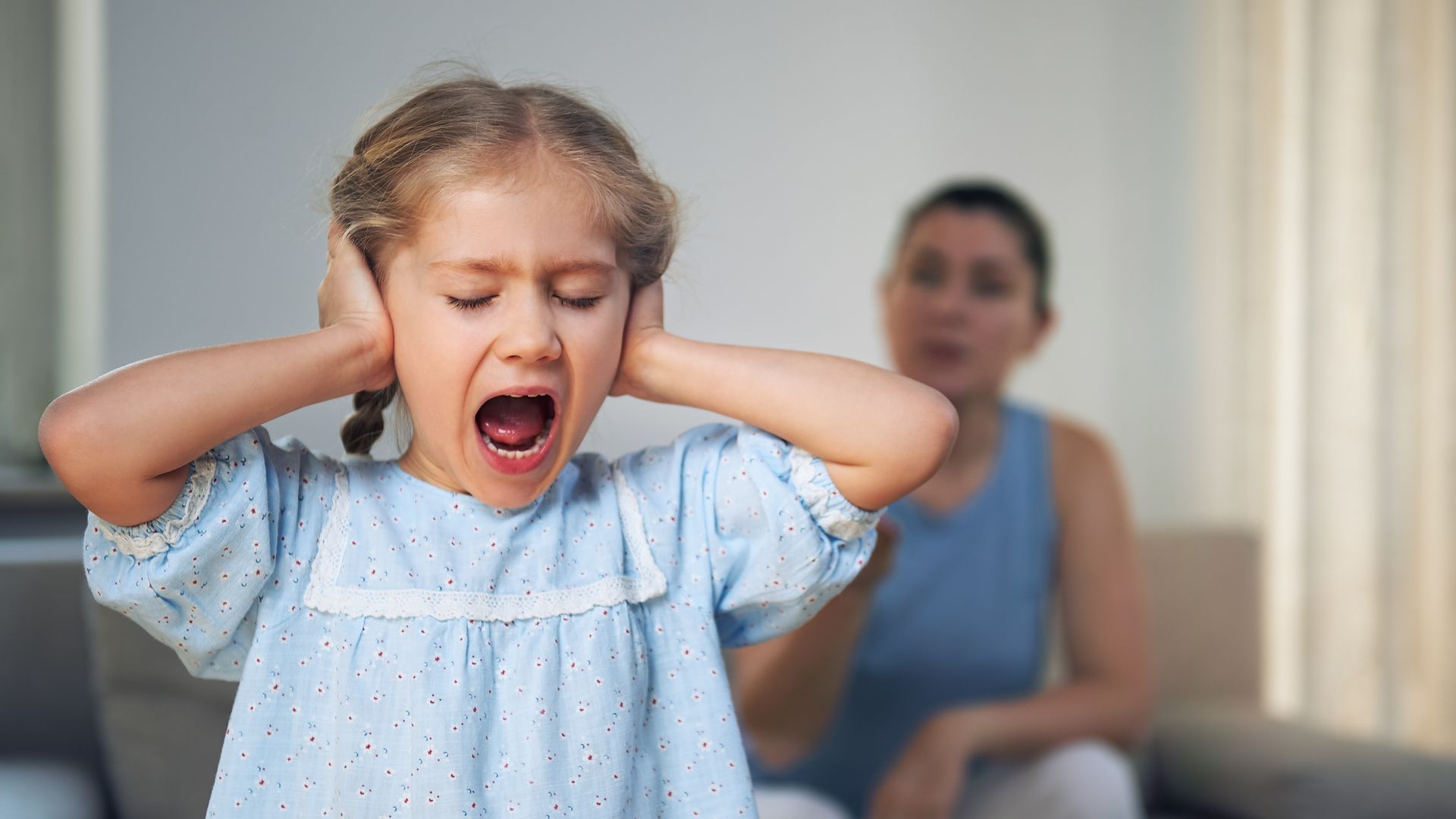

There are many joys to parenthood, but many struggle to navigate temper tantrums. Whether you are faced with a toddler having a meltdown or a stroppy teenager, parents and caregivers can often feel overwhelmed when having to deal with their child having a 'meltdown' and can struggle to know how to help them out of it. "My son is almost two and I've entered the tantrum era," Rachel Avery, HELLO!'s Homes Editor and mum-of-one, says. "I find giving him a warning about any change in activity can lead to a meltdown - 'Five more minutes in the park,' for example.
"I also try and get him to do not-so-fun things by planning a fun thing for after – 'If you brush your teeth, then we can hop in the car and go to Nanny’s house to play,' is a tactic that seems to work. Also, at this age, distraction is also my go-to. Getting him dressed, I’ll talk about our day ahead. Getting his shoes on, I’ll ask him to count or sing me a song. But ultimately, they are going to have big moods because it’s normal at that age, so I try not to get too hung up about it."
 © Getty
Rachel has found the tactics that work for her, so let us break down what causes a child's tantrums and how you can find the approaches that work for you. For this, we've enlisted the help of a parenting expert – Dr. Sasha Hall, a HCPC-registered senior education and child psychologist.
What is a tantrum?
A childhood tantrum isn't as simple as a child throwing themselves on the floor, kicking and screaming. "A tantrum is an emotional outburst that happens when a child feels overwhelmed, frustrated, or unable to communicate their needs effectively. They are very common in toddlers and preschoolers and are a normal part of development," Dr. Sasha tells us.
 © Getty Images
"Tantrums can be triggered by tiredness, hunger, transitions, frustration, or the desire for independence. During a tantrum, the child's amygdala, which drives emotional reactions, is highly active, making it difficult for them to think or reason. This is why trying to reason with a child in the middle of a tantrum usually does not work. The goal is to help children learn to recognise and regulate big feelings safely."
How to respond to meltdowns by age
A toddler having a meltdown and a teenager struggling to manage their emotions can require different responses from a parent. Dr. Sasha breaks down how to respond, according to age group.
 © Getty
Toddlers (one to three years)
"Toddlers have very limited language and self-regulation skills," Dr. Sasha explains. "The adult's role is to keep them safe, stay calm, and offer comfort. Avoid trying to stop the tantrum or force communication in the moment. Emotional acceptance and modelling calm behaviour help children gradually learn that big feelings are normal."
Preschoolers (three to five years)
"Preschoolers can begin to label their emotions and respond to simple guidance. Adults can acknowledge feelings and offer choices or calming strategies, such as taking deep breaths or moving to a quiet space," the psychologist says. "Rushing the child through the emotion should be avoided. The focus is on teaching that all feelings are valid and manageable."
Young children (six to ten years)
"Children at this stage can reflect on their emotions after they have calmed down. Adults can help them talk through what happened, identify triggers, and practise coping strategies. Validating emotions and modelling calm responses helps children develop emotional literacy and self-regulation skills," Dr. Sasha tells us.
Teens (11+ years)
"Teenagers may still experience intense, amygdala-driven emotions, especially under stress. Adults should offer support, validation, and calm presence during meltdowns. Once the teen is calm, private discussions about coping strategies, problem-solving, or self-reflection can be effective in helping them manage future emotional challenges," she adds.
Should you punish a child for throwing a tantrum?
When it comes to a child or young person having a tantrum, it can be tempting for parents to scold the child and then put a punishment in place – but Dr. Sasha advises against this.
 © Getty
"Punishing a child for a tantrum is not recommended because it can create shame and make children feel that their emotions are unacceptable," she explains. This can interfere with the development of emotional regulation skills." Instead, adults can:
- Acknowledge the child’s feelings and reassure them that big emotions are normal.
- Stay calm and provide a safe space for the child to express themselves.
- Offer strategies for coping once the child is calm, such as deep breathing, talking it through, or using calming activities.
- Model calm emotional responses themselves.
The psychologist adds: "The emphasis is on teaching children to recognise and manage their emotions rather than suppressing them, which supports long-term emotional resilience."