

In parenting circles, it seems like new names and buzzwords surrounding different parenting styles are coming out of nowhere every month. No parent needs to be told that parenting is so much more complicated than these simple umbrellas can do justice, but it can sometimes be useful to have these specialised and technical names for these parenting styles. According to Dr Daniel Glazer, a clinical psychologist with more than 15 years of practical experience, "parenting terms like helicopter, authoritative, or permissive came from psychology research set out to describe common patterns in families".
While they are by no means conclusive or definitive, they can be helpful in aiding parents to identify their own habits. One parenting style that seems to be attracting a lot more attention in the last few years is 'helicopter parenting', which seems to cause quite a discussion – but what is it, and what does it mean for your child?
What is helicopter parenting?
According to Dr Amanda Gummer, a child psychology and development expert with over 20 years of experience working with families, helicopter parenting "describes a style where parents hover closely over their children, stepping in quickly to prevent mistakes or discomfort".
 © Getty Images
Dr Glazer describes it similarly as a "pattern of over involvement", adding that it is also where parents "manage too many tasks, fix too many problems, and step in before their child has a chance to figure things out for themselves".
Crucially, both experts assert that it comes from a good place of love and worry, but emerges from the difficult middle ground between care and anxiety, meaning that children end up being micromanaged and are not given as much of a chance to figure things out for themselves.
Are helicopter parents toxic?
While helicopter parenting can certainly be a problem, it is important to remember that it isn't coming from a bad place. Dr Sarah Davies, chartered counselling psychologist and expert in narcissistic abuse recovery, explained that helicopter parents "are not necessarily toxic or narcissistic" even if their behaviour can be harmful. The key differences are in the intention, the flexibility and the focus.
"Helicopter parents usually act out of love, worry or a desire to protect, while toxic, narcissistic parents, on the other hand, are often driven by control, ego or personal needs," the psychologist began. She also notes that many helicopter parents are "keen to be good parents" and can change their behaviour once it is pointed out to them, always thinking about what's best for their child, while a toxic parent will "resist taking responsibility" and will "prioritise their own needs" over their child.
As opposed to toxic parenting, Dr Gummer emphasises that the problem with helicopter parents "isn't the care, it's the control and lack of autonomy", adding: "When children don't get space to try, fail and learn, their confidence and independence can suffer."
 © Getty Images
Meanwhile, Dr Glazer does not believe that the term toxic "isn't particularly helpful" at all, and can be quite dismissive of the cycles that lead to someone becoming a helicopter parent. He explains: "It may point to how they were parented themselves, or to a desire to feel needed and closely connected.
"Sometimes it can also be a response to pressure from outside influences, so if the parent lacks confidence in their own ability, they may well compensate with over-involvement," the psychologist continues. "It becomes a way to feel competent and in control."
What does helicopter parenting do to kids?
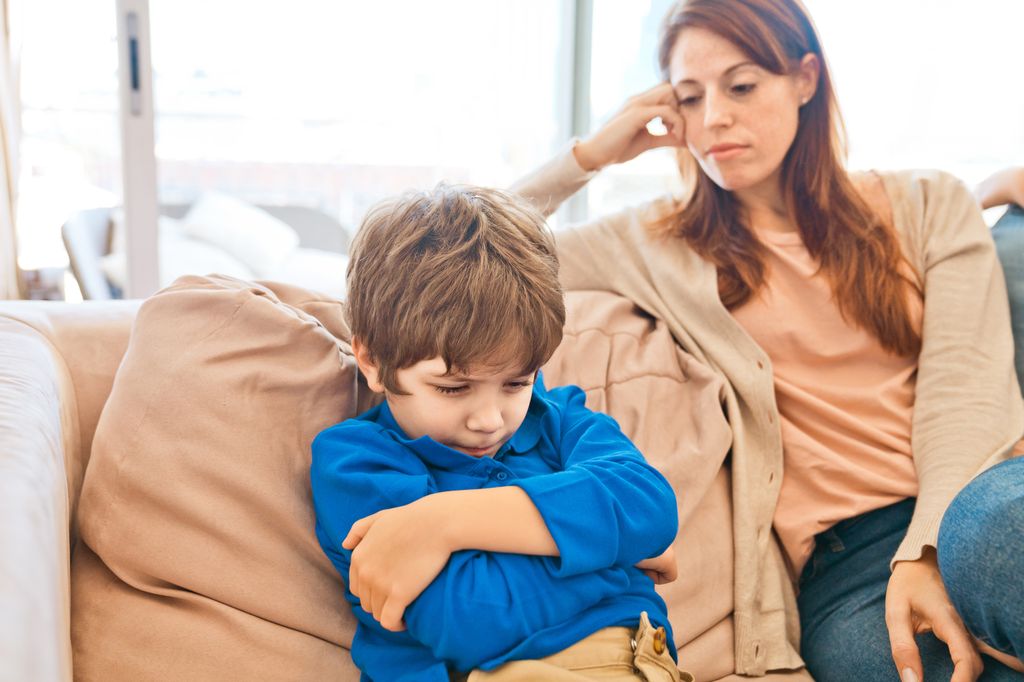
Helicopter parents, though they don't intend to, can have a negative impact on their child's development and growth in a variety of ways. Dr Davies explains: "It can seriously get in the way of them developing appropriate self-esteem, confidence, trust in themselves and their judgement, and it can impact their emotional regulation." She also notes that it can interfere with their problem-solving skills, dealing with setbacks and learning resilience.
 © Getty Images
Dr Glazer doubles down on the idea that it stunts their development, adding: "Children raised this way can grow up less sure of themselves, more anxious and more dependent on adults to regulate situations for them. They miss out on learning that mistakes and setbacks are part of how we grow and are subsequently less well equipped to manage challenges without help."
He also points out that a child can then learn to "look outward rather than inward for solutions", and "this mindset can follow them into adolescence and adulthood", affecting their approach to relationships and work. "When you've learned to rely on constant input or reassurance from a parent, making your own decisions can feel inherently precarious," he adds.
How do I avoid becoming or stop being a helicopter parent?
It isn't easy for anyone to completely shift their approach to parenting in one go: Dr Gummer advises stepping back gradually. "Let your child make small, low-risk choices," she advises. "What to wear, how to spend pocket money, or how to resolve playground disagreements. Praise effort rather than perfect, and remember that a few bumps and mistakes are how children build resilience and self-belief."
 © Getty Images
It can be "uncomfortable to watch at first and really difficult to stay hands off," Dr Glazer warns, but he asserts that "this is where the real growth happens". He continues: "Stay nearby for reassurance or encouragement, but try to hold back from taking over. Think of yourself as a safety net and not the pilot. If you can manage to stay composed, you are also helping to teach them authority over their emotions.
"Looking at other parenting styles can help you find some balance," the psychologist concludes, "but ultimately it's about building trust in your child's ability to navigate life with you beside them rather than front and centre."


