In recent years, Kourtney Kardashian has put attachment parenting on the map. In September 2024, she revealed on Skinny Confidential's Him & Her podcast that her oldest daughter, Penelope, 12, slept in her bed until she was 11. "As a mother, I like to do what feels natural and instinctual to me. And that’s for me what it is," she said. "Of course, I also read all the benefits and hear all the benefits. And I mean, it’s something that mammals have been doing since time existed."
She might not have put a label on it there and then, but what Kourney has long been a champion of is attachment parenting. Attachment parenting has long divided people for its association with excessive closeness and never separating from your child, creating an unhealthy co-dependent relationship. However, the naysayers haven't quite got it right.
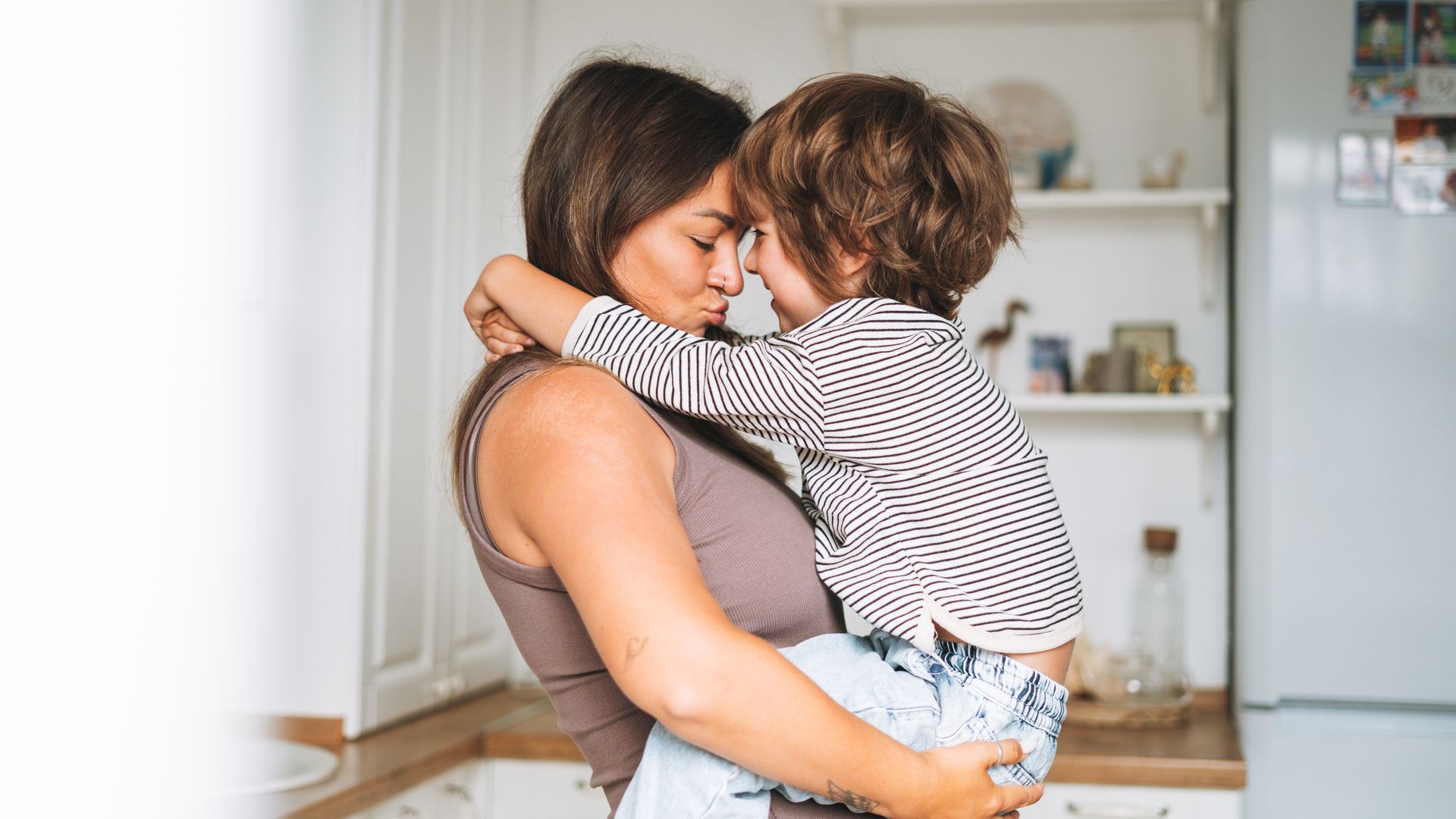
Attachment parenting is often associated with physical closness
There are developmental benefits to attachment parenting for children, and to get a better understanding of what this means, we have enlisted two experts to offer a comprehensive guide. Keep scrolling for a wealth of advice from Dr Sasha Hall, a HCPC-registered senior education and child psychologist, and Laura Gwilt, Swift Psychology's child and adolescent therapist.
What is attachment parenting?
Dr Sasha Hall explained what attachment parenting is, plus the pros and cons. "Attachment parenting is a style of caregiving that prioritises the emotional bond between parent and child. It's grounded in attachment theory, which shows that children thrive when they have a secure base, a dependable relationship that allows them to explore the world while knowing they can return for comfort and safety.
"In practice, it’s about being attuned to a child's needs: noticing their cues, responding sensitively, and providing comfort and consistency."
What are the 7Bs of attachment parenting?
Birth bonding
Breastfeeding
Baby wearing
Bedding close by
Belief in the baby's cries
Balance
Beware of baby training
What benefits does attachment parenting have for children and parents?
"Research shows that children who experience secure attachment develop stronger emotional regulation, social competence, and resilience. A secure base gives them the confidence to explore, take risks, and learn from the world around them, knowing their caregiver is there when needed.
"For parents, it can strengthen confidence and connection. Clinically, what I see is that when parents feel more attuned to their child’s signals, everyday challenges, like separations, tantrums, or bedtime struggles, tend to ease, because the child trusts the relationship."
How does this style of parenting shape a child's development?
"Having a secure base early in life supports healthy brain development, particularly in the areas responsible for emotion regulation and social understanding. Research in developmental neuroscience shows that consistent, attuned caregiving helps the stress-response system mature in a balanced way.
"Over time, children internalise that sense of safety, which allows them to become more independent, empathic, and confident as they grow."
Where can attachment parenting fail children?
"Attachment parenting can become unhelpful when it's misinterpreted as constant presence rather than consistent responsiveness. Parents may feel pressure to meet every need immediately or prevent all distress, which can lead to exhaustion for the parent and anxiety for the child.
"Secure attachment isn't about perfection; it's about repair and responsiveness over time. Children need to experience manageable frustrations within the safety of a secure relationship. Those moments teach them that difficult feelings are tolerable and that they can recover, vital skills for emotional resilience.
"Attachment parenting works best when it balances closeness with gradual autonomy. The secure base isn’t about keeping children close at all times, but about helping them feel safe enough to explore, fall, and return when needed."
You may also like
How do I know if attachment parenting is working in my household?
When asked about the signs and misconceptions of attachment parenting, Laura Gwilt answered: "You'll often see that your child uses you as a secure base, seeking you out for comfort when upset but also feeling safe to explore and play independently. They recover from distress more easily, show curiosity about the world, and trust that you’ll be available when needed.
"For parents, there's usually less guilt and more confidence in reading and responding to their child’s emotional needs, and in repairing those inevitable moments of disconnection."
What are common misconceptions around attachment parenting?
"A frequent misconception is that attachment parenting means never saying no or being constantly available. In reality, attachment is built through emotional attunement, not constant presence.
"Another misunderstanding is that protecting children from all challenges keeps them secure. In fact, shielding children from frustration, disappointment, or risk can hinder autonomy and coping skills. Children need small, supported struggles, trying something new, managing conflict, and recovering from setbacks to build confidence and resilience.
"The truth is that attachment parenting isn’t a strict method; it’s a relational stance. It’s about being responsive, reflective, and human, helping children feel safe enough to explore the world and return to you when they need reassurance," Laura concludes.
Psychologist Carmen Barrio delves into how grandparents provide the emotional safe haven that highly sensitive kids desperately need in a fast-paced world

 © Getty


