


There is an inevitable point during midlife when Christmas doesn't feel so jolly and bright anymore. We will all suffer loss at some stage in our lives, whether it is the death of a close family member, friends or even pets.
Facing the first Christmas without a person you loved dearly can be a daunting and lonely time, and something we sadly have to get used to more and more in this second stage of life.
For Lizzie Pickering, grief guidance counsellor at mental health clinic The Soke and author of When Grief Equals Love, this will be her 25th Christmas spent without her son Harry, who passed away in 2000, aged just six, from terminal spinal muscular atrophy. And while the grief never goes away, she offers hope to others in similar situations by explaining that she has found ways to cope and even enjoy Christmas once again.
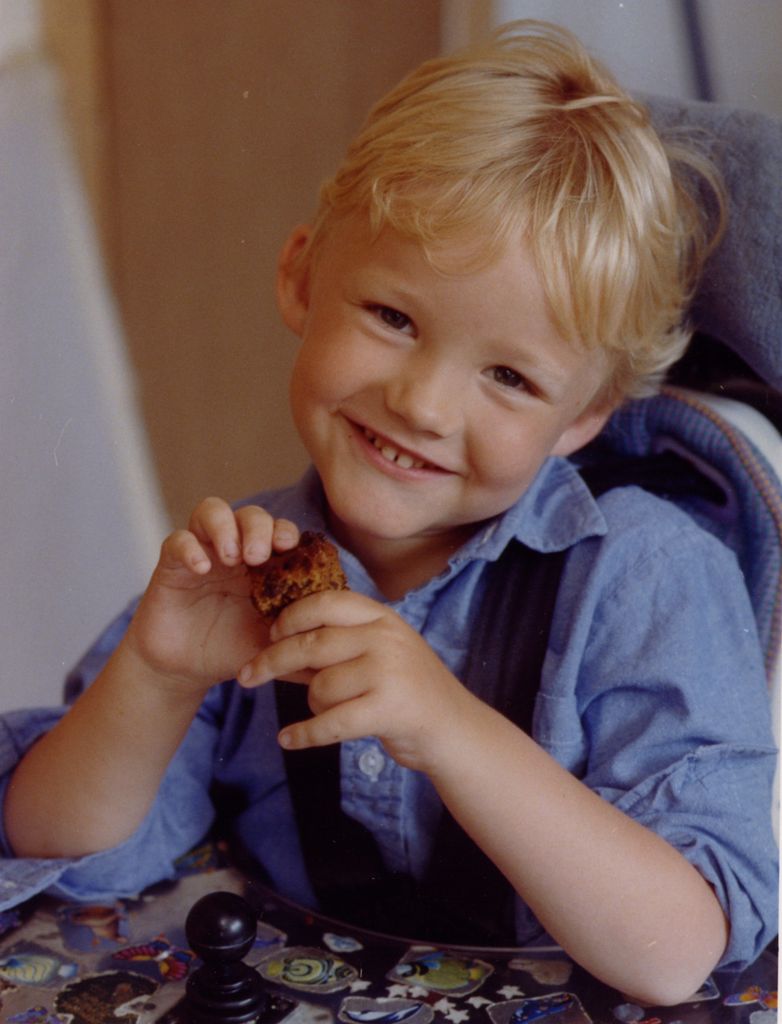
“When someone dies, your whole landscape changes and you have to find a new navigation system, which is why Christmas is so hard for so many people,” says Lizzie. "Christmas is always the wrong number of seats at the table since Harry died. But over the years, it has shifted and changed shape. The first few Christmases we made ourselves do it for my two younger children, and they were immeasurably hard because I was always thinking about what we did when he was here."
She adds: "I would say 25 years on, the pain has been replaced by love for him rather than the all-consuming pain at the beginning. These days, I really look forward to Christmas."
Lizzie explains that her secret to finding fun in the festive season again has been finding a way to adapt to grief and keep open to it changing. "How you feel this year might not be the way you feel next year," she says. "I'm in a much more comfortable place now. He's still the big brother to my two children who are now 27 and 29 - he would be 30. He's very much part of our family."

HELLO!'s Second Act is a newsletter for women in midlife and beyond. It's completely free to sign up and is a one-stop-shop for advice and inspiration on the issues our Second Act community have told us matter most: health, relationships, travel, menopause, divorce, careers, finance and more.
Here, Lizzie shares her top tips for coping with grief over the holiday period.
Connection
At the beginning, connection to those we have lost is very hard and it hurts, but the more you do it, and the more you honour them and connect to them, it does help to ease the pain.
I don't believe we heal from grief or find closure - and we don't actually want to, because why would you want to find closure over somebody you loved? What we want most is a connection to that person.
Christmas cards
Invite the people you're spending Christmas with to write down memories of the people that you've all loved and lost in cards. Then make a time over the Christmas holidays to sit down and read out the memories that you've written down to remember that person. It is so positive, even though it's painful, and you'll probably laugh and cry together.
 © iStock
Coming together around that loss, it gives you a sense of family and community rather than isolating yourself and pretending. It is good to mark the grief that you’re all sharing.
I've tried this myself, and I've got a number of clients from The Soke trying it out this year for the first time because this is their first Christmas without their loved ones.
Feel all the emotions
If you end up laughing and crying, that's a really good thing; to let out all of that stress. And it also means potntially you might find more enjoyment in the rest of the day because you've made that time to proactively grieve together.
Take a breath
Breathing exercises can be like medicine. It's such a good prescription for when you feel the stress rising and the panic of worrying that you're going to break down again. Imagine a square box and start counting to four as you imagine going up one side of the square, and count to four as you go down the other side and so on.
 © Kmatta
In doing tha,t you're focusing the grieving brain on the counting and away from the grief, it resets the system. It’s so useful, especially over a period such as Christmas, and you can do it wherever you are. You can go to the bathroom and do it or in front of people and they won't even notice because you can do it in your head while they're all chatting. It's such a great prescription for grief.
Communication
If you are spending Christmas Day with family, send them an email ahead of the day explaining how you want to be treated and supported. If you feel you would rather take some time on your own than have people fussing over you, let them know you may leave the table at some point, and you are fine. It can be hugely helpful for others.
Seek help
If you are struggling at Christmas and feel you have no one to speak to, do reach out to professionals or find a support group of people who are going through something similar and can understand what you are going through. It can take the pressure off friends, and be hugely beneficial to you.

For those who want to be a supportive friend to someone who is grieving over Christmas, try not to let fear of saying the wrong thing hold you back. Lizzie says the starting point is “don't try to fix anything”.
“Grief isn't curable,” she says. “If we can sit in the discomfort of that with our friends or family who are grieving, that is enough.”
Offer practical help such as making food, suggesting a walk, or going to the shops. Always end a message with ‘No need to reply’ to take the pressure off, but don’t give up. “It took my friend 14 months from his wife's death for him to feel sociable again and reply. And now he is back in our friendship group,” says Lizzie.
Rather than ask “how are you doing?” and risk having your head bitten off, try a scoring system of how they are doing at that moment out of 10. The moment is easier to process than the bigger picture.
“Some of my clients say, ‘What if I make them cry?’ But we have to change that narrative. “We're not making them cry. They're thinking of that person all day every day when they're in profound grief. What we're doing is giving them a safe space in which to cry. And that is an absolute gift.”
Lizzie Pickering is a Grief Counsellor at The Soke mental health centre and author of When Grief Equals Love.


