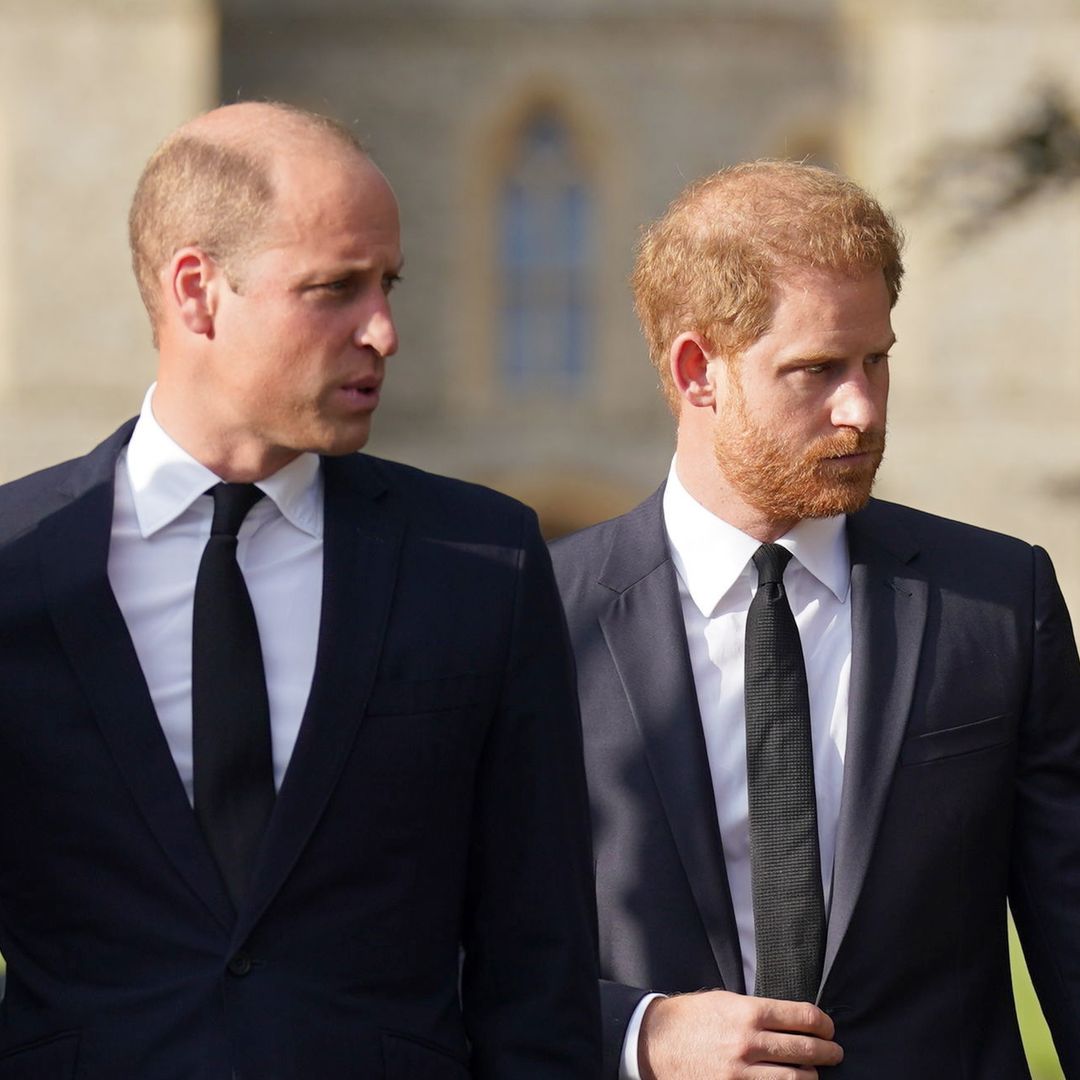
The shortest answer to this question of whether the royal family should pay taxes is: yes. Even the King and the Prince of Wales accept that they should pay income tax, including on their respective private incomes from the Duchy of Lancaster and the Duchy of Cornwall.
It is tempting to leave it at that, but if you wish to sound more informed at dinner parties then there are four other things to consider. First, here are the major numbers revealed numbers in Charles and William's tax bills...
1. The monarch paying taxes is a very new thing
No British monarch did so until Queen Elizabeth II in 1993 and even then she refused to say how much. Before today, Charles last disclosed his income tax in 2022, when he was Prince of Wales. He stopped upon becoming King and William has not picked up the baton until now.
So it is laudable that both men are making a public declaration in the name of transparency.
2. It is a bit of a joke to describe royal income as transparent
The duchies, which collectively own 171,000 acres of land, refuse to disclose what properties they own and it took an investigation by The Sunday Times and Channel 4's Dispatches to uncover the details. That investigation revealed that the government was paying the Duchy of Cornwall £1.5m a year for an empty prison and that the NHS had paid £11m to the Duchy of Lancaster for a 15-year agreement to store ambulances.
This announcement has, at least in part, been prompted by that investigation. William has ringfenced the money from the Dartmoor Prison rent to be spent on the local community, although the NHS ambulance deal remains.
 © Getty Images
While Charles and William pay tax on their income from the duchies' profits (voluntarily - they are not obliged by law), their duchies operate like commercial landlords but pay neither corporation tax nor capital gains tax.
3. Like the monarchy itself, royal finances are based on an inherited system that no one would propose if we were to plan it from scratch.
The duchies are only one part of it. It is worth having a quick refresher on the family's three income streams.
The most normal one is the money they get from privately owned assets, such as the estates at Balmoral and Sandringham. These are subject to income tax and capital gains tax but not to inheritance tax, on the basis that the estates have an official use and that inheritance tax would wipe them out.

The bulk of funding for official business comes from the Sovereign Grant, which amounted to a record £138m last year, paid by the Treasury. It is based on a proportion of the profits of the Crown Estate, the £15bn property empire that George III surrendered to parliament in 1760. The land belongs to the Crown but it is controlled by the government and its profits (£1.1bn last year) go to the Treasury. George III relinquished control in exchange for royal funding and that is the reasoning for the two being linked.
How did George III retain the duchies as an additional source of income for the royal family? At the time, they earned very little. In 1760, the Duchy of Lancaster had a surplus of £16 (about £3,000 in today's money). The most recent surplus from both duchies was £50m.
4. Does this really add up?
What you think about this probably depends on whether you think a monarchy is a good idea. For a monarchist, it is admirable that funding for the monarchy is based on a well-run business enterprise rather than the whim of the government of the day.
For a republican, the duchies are earning money on property that ought to belong to the nation. That the duchies remain in royal control after the transfer of the Crown Estate is unfinished business. Republicans also argue that the link between the Crown Estate's profits and the Sovereign Grant makes no sense - there is no logical link between royal funding and the fortunes of the property market.
Buckingham Palace explained that the King and the Prince of Wales wish to be more open about money. "To put it simply, we continue to modernise and evolve."
The question is: are they evolving fast enough to prevent calls for a more radical rethink of how they are funded?