

It's completely normal to feel bloated after eating, but if you suffer from persistent puffiness and bloating, it can be a sign that your gut needs a little TLC. As someone who has recently massively changed their diet for this reason, any foods that are gut-friendly and aid in reducing inflammation are on my radar. Experts note that fibre, in particular, is super important. I'm not exactly prone to a bedtime snack, but if you're the sort of person who is, the best thing to do is make sure you're eating the right thing so that you're not still bloated in the morning, your sleep isn't interrupted and that your gut benefits from it.
Why this one food could be the perfect bedtime snack
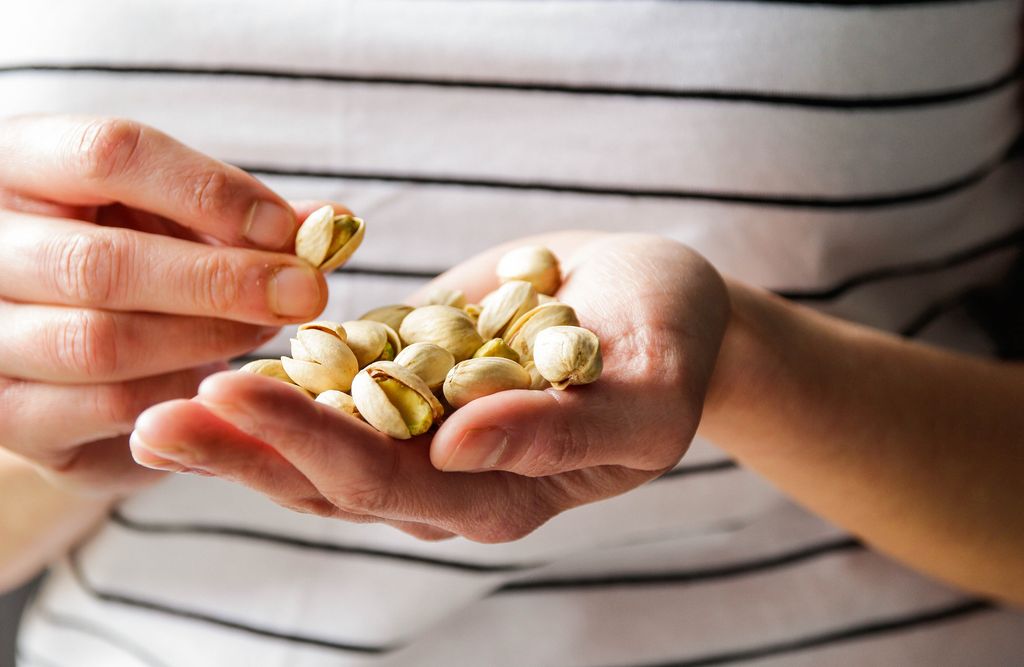
There's one snack in particular that a US study has found could have beneficial impacts on the gut bacteria when consumed at nighttime. The journal Current Developments in Nutrition published a paper in July that said for pre-diabetic adults, nighttime pistachio consumption may help reshape the gut microbiome - the ecosystem of microbes that live in your intestines.
However, away from nighttime consumption, there is evidence to suggest put forward by experts that pistachios are great in general for ensuring a healthy, happy gut.
This is largely because they are packed with fibre and are prebiotics. Prebiotics (fruits, vegetables, most foods high in fibre), in simple terms, essentially 'feed' the gut, which then serves as 'food' for the probiotics, so that when we consume probiotics (things that contain live cultures such as kefir, yoghurt, sourdough bread), we're better at absorbing all of their goodness. Essentially, they all work together to ensure our gut is thriving!
So while it's not essential to eat pistachios before bedtime, if you're prone to a bedtime snack, then pistachios are a far better option than chocolate and crisps, or other snacks extremely high in salt or sugar.
 © Getty Images
Why we need more fibre
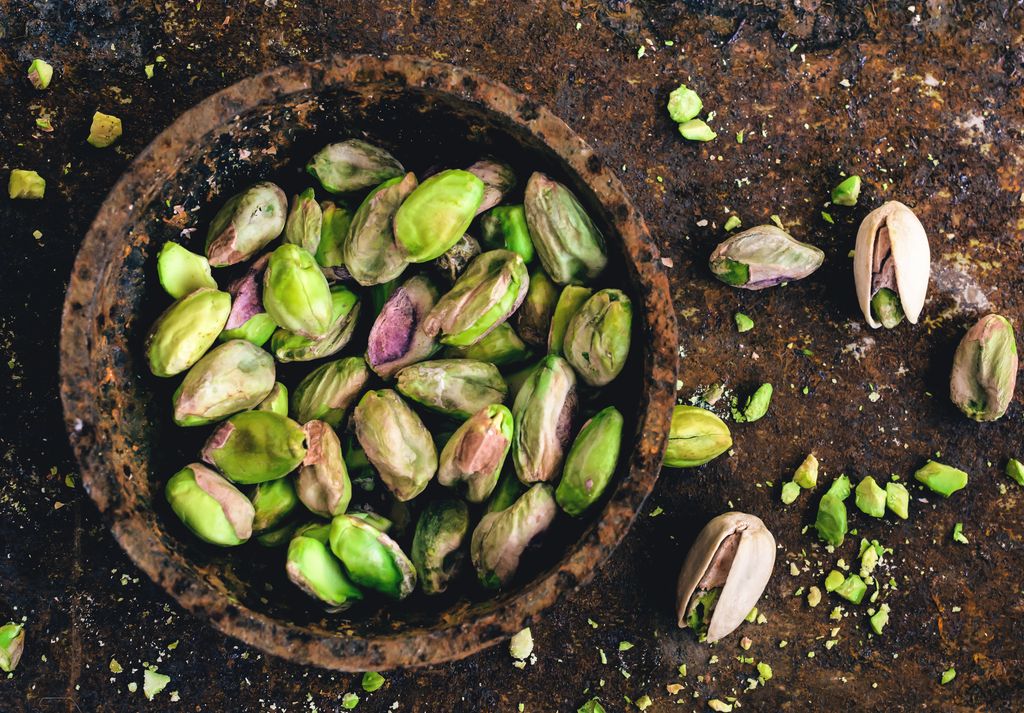
It's for this reason that many nutritionists are banging the drum for high fibre foods. A one-ounce serving of pistachios has about three grams a fibre. Experts these days are saying we need about 30 grams of fibre a day to keep our gut in optimal health. It also ultimately means that it reduces our body's inflammation, thus reducing our chances of developing a chronic disease like diabetes later in life.
 © Getty Images
Emma Bardwell, registered nutritionist and author of The Sunday Times bestselling book, The 30g Plan, echoes the sentiment about the importance of fibre.
Emma notes that while fibre was initially thought of as simply being good for keeping bowel habits regular, recent studies have shown how it now plays a "critical role" in feeding our gut. "These bacteria work synergistically inside us like tiny pharmacies, breaking down indigestible fibres from food that we eat and turning them into beneficial compounds called short-chain fatty acids (SCFAs)."
 © Getty Images
Emma adds: "These SCFAs have a wealth of health-giving potential and can influence many systems and organs in our body, including immunity, hormones, mood, heart, skin and metabolic health.
"Gut microbes do a multitude of things, including: manufacture vitamins, regulate the immune system, influence sleep quality, support cognitive function, mood and mental health; plus many more." Emma reiterates that we need 30g of fibre a day. "This might look like: two large oranges; one large pear; 40g almonds; one medium sweet potato; one medium avocado; and many more."
It's something that, as a lifestyle writer who is passionate about health and nutrition, I've focused on much more in recent times. As an example, I always make sure I have two tablespoons of chia seeds in my overnight oats every single day. Maybe it's time I add pistachios into the mix...