

The British royal family is bound by centuries of tradition and nowhere is this more visible than their wardrobes. From the silhouette of their occasionwear to the unspoken ban on nail polish, the palace style guide is notoriously rigid. For generations, following these sartorial rules was seen as a non-negotiable duty, a visual representation of stability, decorum, and respect for the Crown.
Last month, Duchess Sophie sparked conversation when she turned up to Royal Ascot in a black dress. With its puff sleeves, midi length and modest neckline, the Victoria Shirt Dress by Suzannah London adhered to the event's strict dress code, but it was a somber choice considering Ascot is usually defined by vibrant colours and elaborate floral prints.
 © Getty Images
However, HELLO! readers were quick to back the Duchess, with 70% saying they approved of her look. Pamela told us: "I like the fact that Sophie stepped out of the usual in her beautiful black dress. She looks elegant and different."
Fashion has always been a powerful tool for self expression, and even the most dutiful royals have occasionally chosen to rewrite the rulebook. From Princess Diana’s legendary acts of sartorial rebellion to contemporary shifts debuted by the Princess of Wales and the Duchess of Sussex, here we look back at the most memorable moments when royal women have decided to bypass protocol.
 © Getty Images
Meghan Markle's off-the-shoulder separates
In June 2018, the Duchess of Sussex made her highly anticipated debut on the Buckingham Palace balcony for Trooping the Colour. As the official celebration of the monarch's birthday, the event is steeped in centuries of tradition. For royal women, the unspoken style rule for the occasion has long been modest, daytime attire featuring sleeves that cover the shoulders and upper arms.
Instead of conforming, Meghan Markle chose a more modern approach. She stepped out in a bespoke, pale pink Carolina Herrera outfit featuring a structural, asymmetrical neckline that bared her shoulders. While beautiful and sophisticated, the look challenged the family's conservative guidelines of daytime modesty at formal events.
The choice sparked debate among royal commentators with some viewing the exposed neckline as a breach of traditional etiquette for a military parade, while others saw it as a refreshing, contemporary shift for the monarchy. By deviating from the customary dress code so early in her royal role, the Duchess ensured her first balcony appearance was truly memorable.

Princess Diana's revenge dress
In June 1994, Princess Diana delivered a masterclass in breaking royal protocol. The evening was set to be a palace PR crisis, as King Charles was scheduled to confess to his infidelity with Camilla on national television.
Traditional royal etiquette suggested members of the family should maintain a low profile during such a scandal, choosing modest, unassuming attire. But Princess Diana chose a path of fashion rebellion for her appearance at the Serpentine Gallery. She arrived at the V&A party in a striking black silk mini dress by Greek designer Christina Stambolian that directly defied the royal rulebook.
Working royals are traditionally restricted from wearing black unless they are in official mourning, but it was the silhouette, which featured a plunging sweetheart neckline and an asymmetric, thigh-skimming hemline, that most brazenly rejected the palace’s strict modesty standards.
The gown had been in Diana's wardrobe for three years because she had previously deemed it too daring for a princess. But by deliberately ignoring the royal dress code that evening, she successfully reclaimed the media narrative and secured the front pages of every national newspaper to create one of the most iconic fashion statements in modern history: the Revenge Dress.
 © Getty Images
Princess Kate's rebellious red nails
For decades, the grooming standards for female members of the royal family were dictated by a preference for understated neutrals. Championed by Queen Elizabeth II, who famously wore the exact same sheer pink shade of nail polish for over 30 years, the unwritten protocol suggested that bright or dark nail polishes were inappropriate for public duties and working royals were expected to maintain natural nails.
However, during the 2023 Easter Sunday service at Windsor Castle, the Princess of Wales introduced a subtle but historic shift in royal styling. Stepping out in a royal blue coat dress, Kate bypassed the customary nude palette and completed her look with a vibrant red manicure.
The choice immediately caught the attention of royal fans, as it marked a rare departure from the late Queen's strict guidelines. By debuting a bold colour at a traditional religious event, Kate signalled a new era for royal style.
 © Getty Images
Princess Diana’s double-breasted tuxedo
Traditional occasionwear for royal women has long been all about the formal ballgown, which reinforces the fairytale imagery of the monarchy. While trousers were gradually becoming accepted for casual daytime engagements or sporting events in the 1980s, eveningwear remained strictly gendered, requiring women to choose long dresses or skirts.
Princess Diana challenged this boundary during a night out at Wembley Arena in '88. Attending a charity concert, she forgoed an evening gown in favour of a sleek, double-breasted tux by Catherine Walker. She completed the outfit with a green satin waistcoat and a matching bow tie.
By choosing a silhouette traditionally reserved for the men of the family, this was seen as a powerful moment of sartorial independence from Diana, proving that tailoring could be just as impactful as a gown and carving out a new path for modern royals.
 © Getty Images
Princess Kate's penchant for wedges
Some of the most rigidly followed rules within the monarchy are simply the personal taste of the reigning monarch. Such was the case with Queen Elizabeth II’s well known aversion to wedge heels. It was an open secret within the palace that the late Queen intensely disliked the chunky silhouette, viewing the style as informal and unrefined. There was an unwritten protocol dictating that female royals should avoid the footwear, particularly in her presence.
Despite this, Princess Kate often chose comfort and practicality over royal rules. A long time fan of espadrille wedges, she wore styles from brands like Castañer and Russell & Bromley as part of her public wardrobe. Kate famously wore the footwear to high-profile royal engagements, even once opting for wedges while playing volleyball at a charity event.
While she carefully avoided wearing them to events where she closely accompanied the late Queen, her frequent use of the shoe for solo duties marked a change from traditional expectations.
 © Getty
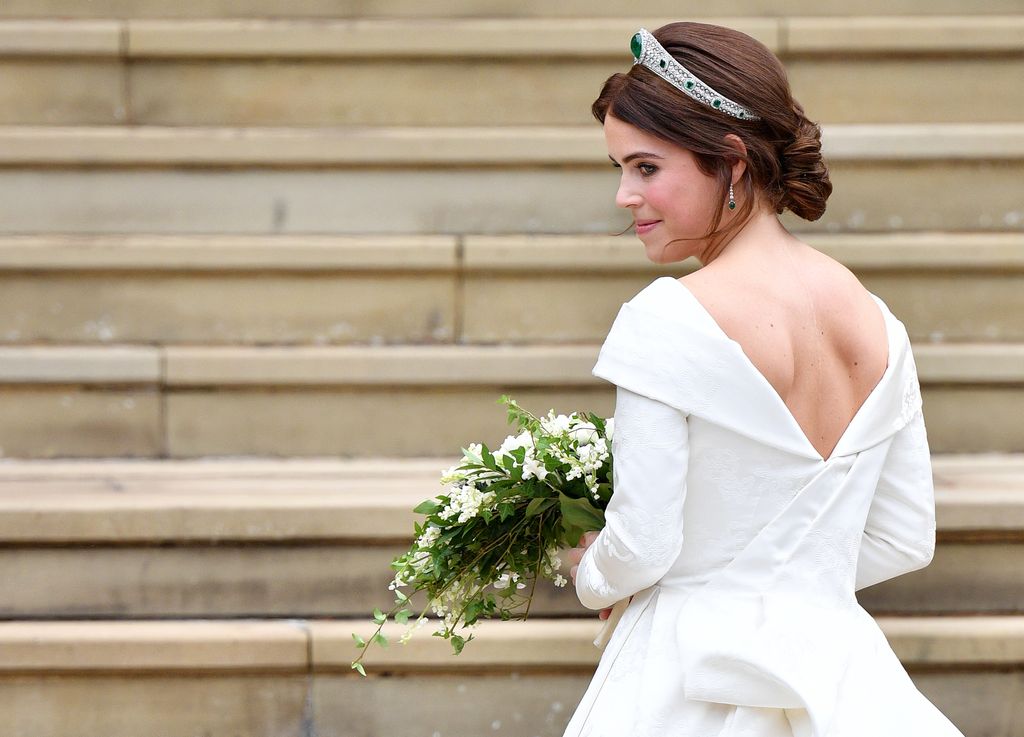
Princess Eugenie's back-baring bridal gown
For centuries, royal brides have had strict expectations, traditionally presenting a conservative image through silhouettes and cascading, opaque veils.
However, for her October 2018 wedding to Jack Brooksbank at St George's Chapel, Princess Eugenie chose to redefine royal bridal style. She requested that designers Peter Pilotto and Christopher De Vos created a custom gown featuring a folded portrait neckline that swept into a dramatic, low cut back and also chose to forgo a traditional veil.
The open silhouette was intentional, designed to proudly display the long scar running down her spine, which is the result of an eight hour surgery she underwent for scoliosis at the age of 12. By refusing to hide her scar, Eugenie challenged the classic aesthetic. The choice transformed her wedding gown into a powerful message about body inclusivity and conventional beauty standards.


