
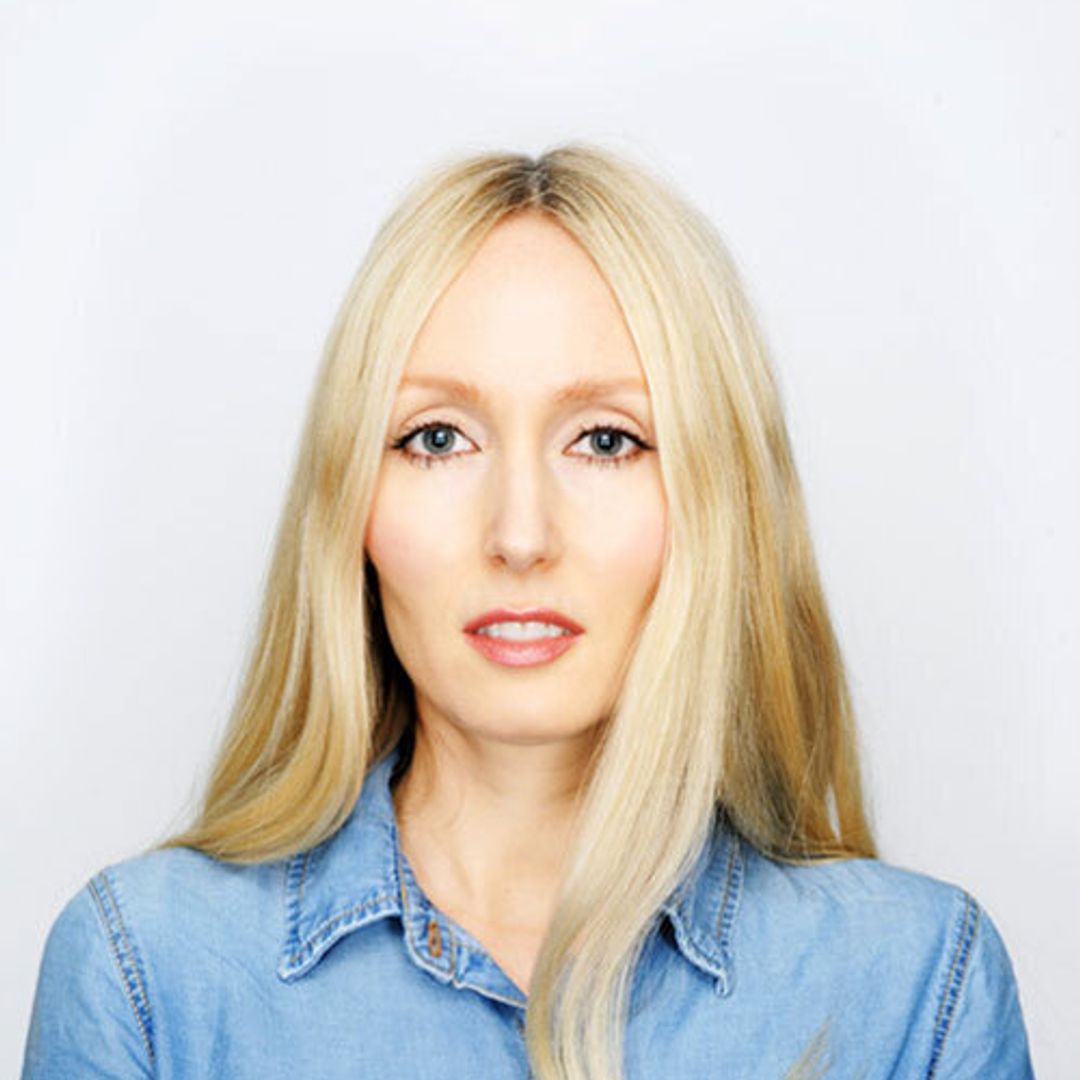
Hair fall is the stuff of nightmares. There’s something deeply psychological about feeling as though your hair is falling out: it taps into a primordial fear of ill health, ageing and losing control. But rest assured: if you’re suddenly noticing your ponytail feels a little less full or you’re seeing more hair in your Mason Pearson, there may be a perfectly natural explanation.
Some people experience a seasonal increase in hair shedding during autumn, potentially linked to changes in daylight hours and the hair growth cycle. Meanwhile, reduced sleep and increased exposure to dry air may all contribute to hair shedding and breakage, while changes in diet and nutritional factors can also come into play (18% of UK adults aged 19-64 are vitamin D deficient, rising to 31% in winter). We asked two trichologists for their take on the autumn hair shed.
Why am I losing more hair in autumn?
"Seasonal hair shedding can occur, particularly during autumn, when some people notice more hairs coming away in the shower, on their hairbrush or on their pillow," says Anabel Kingsley, lead trichologist, author and brand president at Philip Kingsley.
"It is thought to be linked to seasonal changes and variations in daylight hours. During the summer, more hairs may enter the telogen, or resting, phase of the hair growth cycle, before shedding approximately three months later. This is why seasonal shedding is often noticed in September and October."
 © Getty Images
Trichologist Tiffany Hall agrees that the hair growth cycle may help explain the seasonal shift. "Hair growth follows a seasonal rhythm. As daylight hours decrease, hairs that have been in the resting phase can begin to shed more synchronously, resulting in a noticeable seasonal increase. This is a normal cyclical process and isn't necessarily a sign that anything is wrong."
In other words, the extra strands you’re seeing in autumn may reflect changes that began months earlier, rather than something that has suddenly gone wrong.
How is hair shedding affected by the seasons?
"Hair shedding is influenced by the hair growth cycle, which consists of growing, transitional, resting and shedding phases," says Anabel. "Seasonal changes may influence this cycle, with some people experiencing increased shedding in autumn. Winter-related seasonal shedding is less common, although hair fall can still increase for other reasons."
But while autumn may be the season of shedding, winter brings its own challenges.
"Cold winds, central heating and fluctuations in humidity can leave hair drier, frizzier and more vulnerable to breakage," says Anabel. "The scalp may also become drier, itchier or flakier, and conditions such as dandruff can contribute to increased hair fall."
Your washing routine can make a difference to what you notice, too. "People sometimes shampoo less often during winter, meaning naturally shed hairs accumulate between washes," Anabel explains. "When they eventually wash their hair, they may notice a larger amount coming away at once. This does not necessarily mean they are shedding more hair overall."
 © Getty Images
How much hair loss is normal?
Finding a clump of hair in the shower can be alarming, but some shedding is an entirely normal part of the hair growth cycle. "Around 50–100 hairs a day can be part of normal hair turnover," says Tiffany. “More important than counting individual hairs is the pattern.”
It's also worth remembering that increased shedding doesn’t always happen immediately after its trigger. "Telogen effluvium, a type of temporary hair shedding, can develop weeks or even months after an event that disrupts the hair growth cycle," says Tiffany. "Potential triggers include illness, significant stress, rapid weight loss, childbirth and certain medication changes, including those associated with GLP-1 treatments."
So if you’re noticing more hair fall in September, for example, it may be worth thinking back to what was happening in June or July. The key is to look at the bigger picture. Is the shedding temporary, or is it continuing? Has your ponytail become noticeably thinner? Are you seeing changes in your parting or patches of hair loss? These patterns can be more informative than the number of strands in your brush.
 © Getty Images
Hair loss or breakage: how can you tell the difference?
Not every strand you find in your hairbrush has necessarily shed from the root. "This is a surprisingly common source of confusion," says Tiffany. "Shed hairs come from the scalp and may have a small white bulb at the root, whereas breakage occurs along the hair shaft and is more commonly associated with heat, chemical processing, dryness or mechanical damage. The two require very different approaches."
If you’re dealing with shedding, it’s important to identify and address any underlying triggers. If breakage is the problem, your focus should be on protecting the hair fibre: limiting excessive heat, being gentle when detangling and avoiding unnecessary tension or harsh chemical treatments. Of course, both can happen at the same time, which is why understanding what you’re seeing is the first step towards choosing the right approach.
Can you prevent seasonal hair shedding?
You can't necessarily prevent a natural seasonal shed, but you can support the hair growth cycle by looking after your overall health, nutrition and scalp.
"Hair is a non-essential tissue, meaning it is one of the first areas to be affected when the body is lacking certain nutrients," says Anabel. "Eating a balanced diet that provides sufficient protein, complex carbohydrates, healthy fats, vitamins and minerals is important for healthy hair growth."
 © Getty Images
Restrictive diets, rapid weight loss and nutritional deficiencies can all affect hair health, so consistency matters more than chasing a quick fix. If you suspect a deficiency, seek advice from a healthcare professional rather than automatically reaching for supplements.
Scalp care is equally important. “I recommend cleansing regularly enough to remove excess oil, product build-up and dead skin cells, rather than extending the time between washes simply because the weather is colder,” Anabel says.
“If you experience itching or flaking, use products designed to address the specific concern.” Stress, recent illness and changes in diet are also worth considering if your shedding has increased. And if hair fall is excessive or persistent, consult a trichologist or healthcare professional to help establish the cause. “The most effective approach is to address the underlying trigger rather than relying on a product or supplement alone,” Anabel adds.
Does curly hair shed more?
 © Getty Images
If you have curly hair, a seasonal shed can look worse than it is. "Shedding can look particularly dramatic when strands naturally clump together, meaning what appears to be a large amount of hair may not necessarily indicate excessive loss," explains Tiffany.
Because curls can retain shed strands within the hair, you may notice more hair coming away when you wash or detangle it, particularly if you don't brush between washes; it doesn't automatically mean you’re losing more hair. Gentle detangling, plenty of slip from conditioner and a routine that minimises unnecessary pulling can help reduce breakage and make wash days feel less alarming.
When should you worry about hair shedding?
While some extra shedding in autumn can be perfectly normal, it’s important not to attribute every change to the seasons, warns Anabel. "Hair is highly reactive to changes in our health and lifestyle, and factors such as stress, illness, dietary deficiencies and compromised scalp health can all contribute to increased shedding. If hair fall is persistent or noticeably different from your usual pattern, it is worth investigating the underlying cause rather than simply assuming it is seasonal."
Seek professional advice if shedding continues, your hair density appears to be changing, you notice distinct patches of hair loss or your scalp is persistently irritated. Sudden or unexplained changes deserve particular attention.
Ultimately, the autumn hair shed may be a temporary part of your hair's natural cycle. The best response is to look after your scalp, nourish your body, protect your lengths from breakage, and pay attention to changes in your usual pattern. And if something doesn’t feel right, don’t simply wait for spring: finding the cause is always more useful than guessing.


