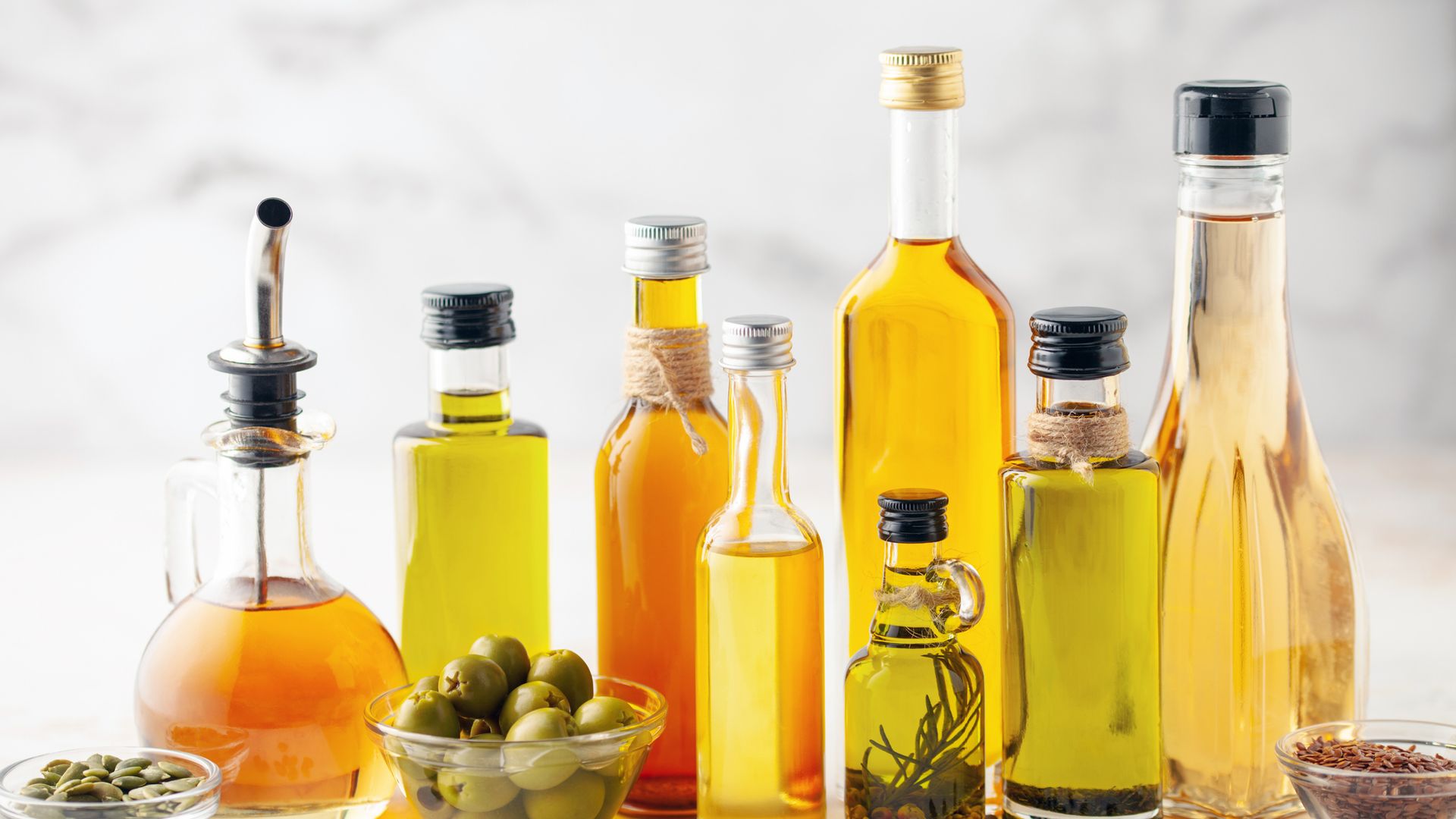
Choosing the right cooking oil may seem like a small decision, but it can make a measurable difference to your long-term health. Oils are more than just fat, they are complex blends of fatty acids, antioxidants, and bioactive compounds that influence inflammation, cholesterol levels, and even cellular ageing.
While canola oil, vegetable oil and olive oil may all look similar on the shelf, their nutritional make-up and health benefits differ in important ways.
Olive oil – the gold standard for heart health
Extra-virgin olive oil (EVOO) has been a cornerstone of the Mediterranean diet for centuries, and its health benefits are backed by a vast body of research.
Nutritionally, it is made up of around 70% monounsaturated fat, mostly oleic acid, which has been shown to help lower LDL (“bad”) cholesterol and maintain or even raise HDL (“good”) cholesterol. EVOO also contains small amounts of polyunsaturated fats, about 10%, and around 14% saturated fat.
What sets olive oil apart from other cooking oils is its antioxidant and anti-inflammatory profile. It contains phenolic compounds such as oleocanthal, which has been shown to act in a similar way to ibuprofen in reducing inflammation, and hydroxytyrosol, a potent free-radical scavenger that protects blood vessels from oxidative stress.
These antioxidants are thought to be one of the reasons why higher olive oil intake has been linked to lower rates of heart disease, stroke, and certain cancers.
EVOO is best used for salad dressings, drizzling over cooked vegetables, or sautéing at moderate heat. While its smoke point is lower than some refined oils (around 180–215 °C depending on quality), studies show it remains stable during typical cooking and retains most of its beneficial compounds.
Canola oil – the balanced all-rounder
Canola oil, derived from a specially cultivated variety of rapeseed, has a well-balanced fatty acid profile: roughly 63% monounsaturated fat, 28% polyunsaturated fat, and only about 7% saturated fat, one of the lowest saturated fat contents among common cooking oils. Importantly, it contains a moderate amount of alpha-linolenic acid (ALA), a plant-based omega-3 fatty acid linked to reduced inflammation and heart disease risk.
Canola oil’s neutral flavour and high smoke point (above 190 °C) make it versatile for stir-fries, roasting, and baking. While it lacks the antioxidant density of olive oil, it is still considered heart-healthy and is often used in food service for its stability and affordability.
Some critics of canola oil raise concerns about refinement and omega-6 fatty acid content. However, when consumed in the context of a balanced diet, the omega-6 in canola oil does not appear to promote inflammation, the issue arises when omega-6 intake is excessive and omega-3 intake is low.
Vegetable oil – the generic blend
Vegetable oil is a broad category and usually refers to a refined blend of seed oils such as soybean, corn, sunflower, or safflower oil.
The fatty acid profile varies depending on the blend, but most are high in omega-6 polyunsaturated fats, moderate in monounsaturated fats, and low in saturated fat.
While vegetable oils are inexpensive and have a high smoke point, they often lack the beneficial polyphenols and antioxidants found in minimally processed oils like EVOO.
Because they are refined, they are also stripped of most micronutrients, leaving primarily the fat. Excessive reliance on vegetable oil, without balancing with omega-3-rich foods like oily fish, flaxseeds, or walnuts, can tilt the omega-6 to omega-3 ratio in a less favourable direction.
What the research says about long-term health
Large population studies have found that replacing saturated fats (such as butter) with unsaturated fats from plant oils, particularly olive, canola, and soybean oil, is associated with lower risk of heart disease and longer life expectancy. One long-term study even linked this switch to reduced risk of dying from cardiovascular disease, cancer, and respiratory conditions.
The anti-inflammatory and antioxidant compounds in EVOO make it the standout choice, particularly for cardiovascular and metabolic health. Canola oil is a close second for those who need a high-heat cooking oil with a neutral taste. Generic vegetable oil is fine for occasional use but is best not relied upon as your primary source of fat.
How to choose the right oil for you
For salads, dips and finishing dishes: Extra-virgin olive oil
For high-heat frying and roasting: Canola oil or high-oleic sunflower oil
For occasional baking or deep frying: Vegetable oil (preferably non-hydrogenated)
If you can only keep one oil in your kitchen, make it extra-virgin olive oil, its combination of healthy fats, antioxidants, and culinary versatility is unmatched.
For those who do a lot of high-heat cooking, keep a bottle of canola oil on hand too. Variety is important, and rotating your oils can help ensure a better balance of fatty acids and nutrients in your diet.
Faye James is a Sydney-based accredited nutritionist and author of The 10:10 Diet, The Menopause Diet, The Long Life Plan and her latest book The Perimenopause Plan