
Skipping breakfast is one of the biggest mistakes you can make if you’re trying to lose weight, a nutritionist has warned.
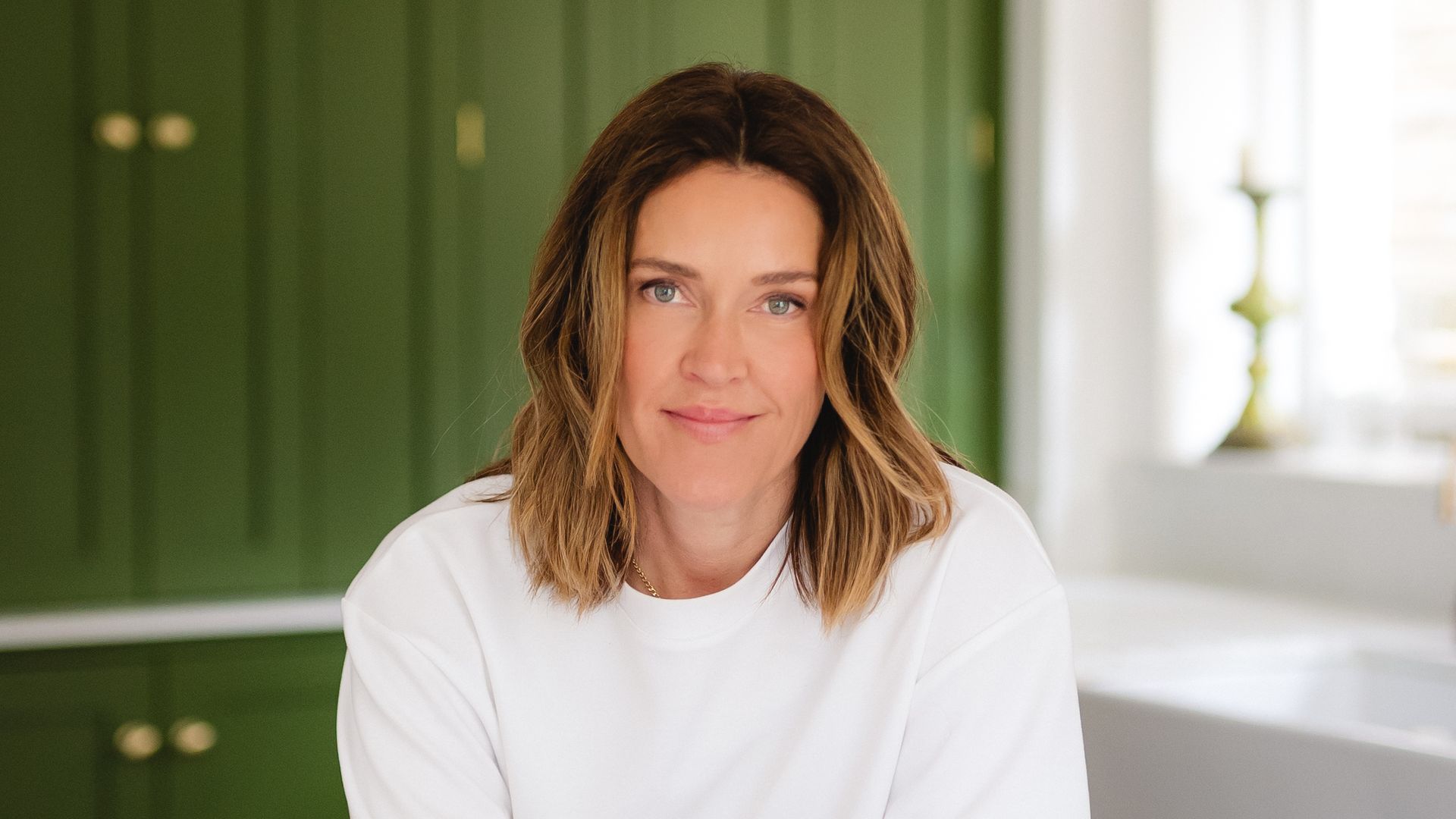
Whether it’s because you’re in a rush or are trying to save calories, registered nutritionist Emma Bardwell says that this approach doesn’t work for everyone, and can actually lead to you eating even more later in the day to make up for the missed meal.
"There’s a tendency for women to think they need to skip breakfast to save on calories and help with weight management," Emma told HELLO!.
"While there’s certainly an argument for this, it doesn’t work for everyone. And it often leads to women feeling utterly wrung out and exhausted, irritable and hangry. It can also mean overeating later in the day, which is counterproductive."
Instead, the author of The 30g Plan suggested prioritising a balanced breakfast that will provide the energy you need for the rest of the day.
 © Getty Images
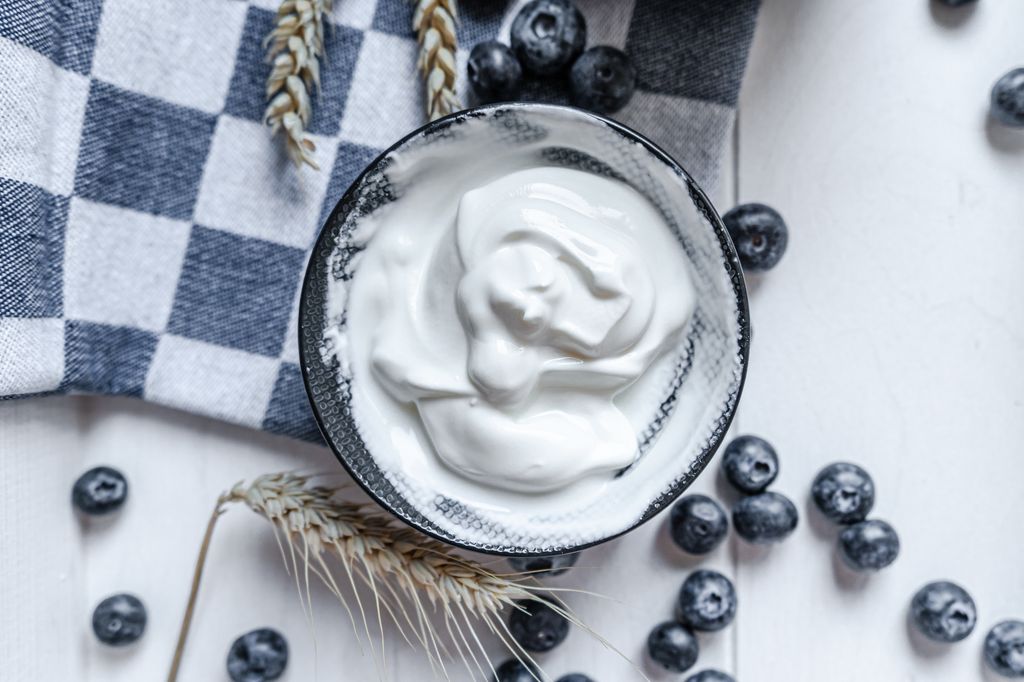
"A protein and fibre-rich breakfast sets you up for the day ahead and often means better blood sugar regulation, fewer cravings and a more even mood. I love Greek yoghurt and have it most days," Emma said.
"You can either mix it with chia seeds, some oats and a splash of milk or kefir, or simply have it on its own if pushed for time. Top with berries, nuts and seeds and a tablespoon of ground flax and you have a very quick and easy breakfast boasting 25-30 grams of protein and 10 grams of fibre, plus lots of different plant sources to keep your gut microbes happy.”
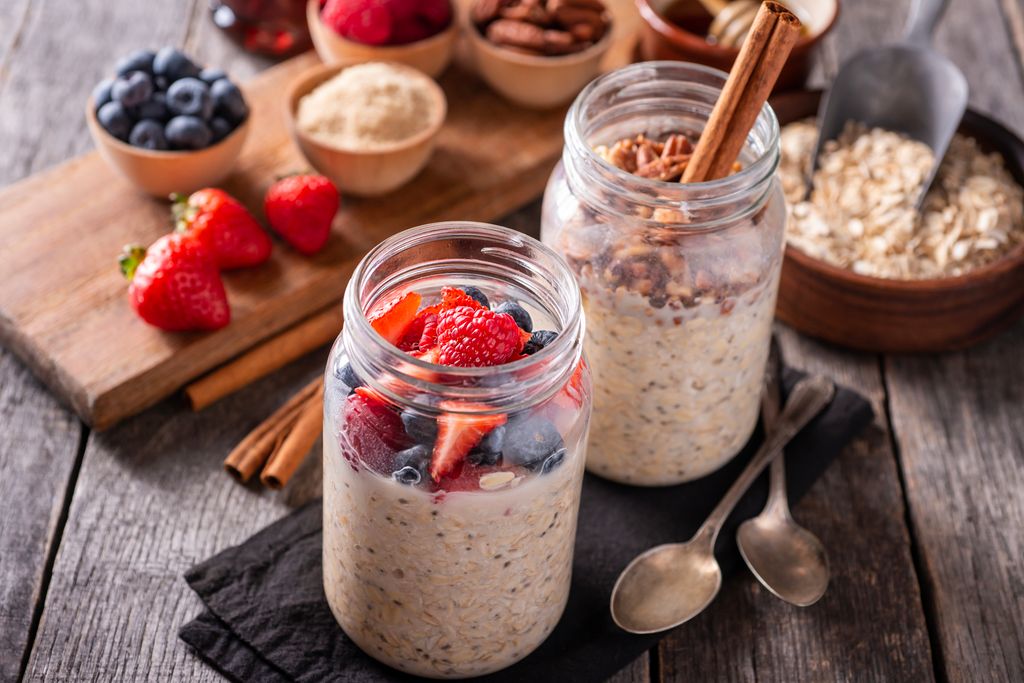
There are no excuses for skipping breakfast if you’re short on time, either. Getting into the habit of preparing breakfast the night before or even batch-making breakfasts for the week can help you to stay consistent when you’re busy.
 © Getty Images
"Prepping a few meals ahead saves time and helps keep healthy eating on track - basically it takes the fatigue out of decision making and there’s nothing better than opening the fridge and seeing your breakfasts for the next three days all lined up," Emma explained.
"I have lots of recipes on my Instagram page dedicated to this if you need inspiration (@emma.bardwell). Top tip: invest in decent storage jars to make the whole process less messy, more convenient (and aesthetically pleasing… very important!), especially if you’re taking food into work or travelling."
Don't forget fibre
Emma has previously spoken with HELLO! about the importance of prioritising fibre alongside protein to best support gut health, satiety after meals and blood sugar regulation, and shared her top tips to meet the recommended 30 grams of fibre a day.
 © Instagram/EmmaBardwell
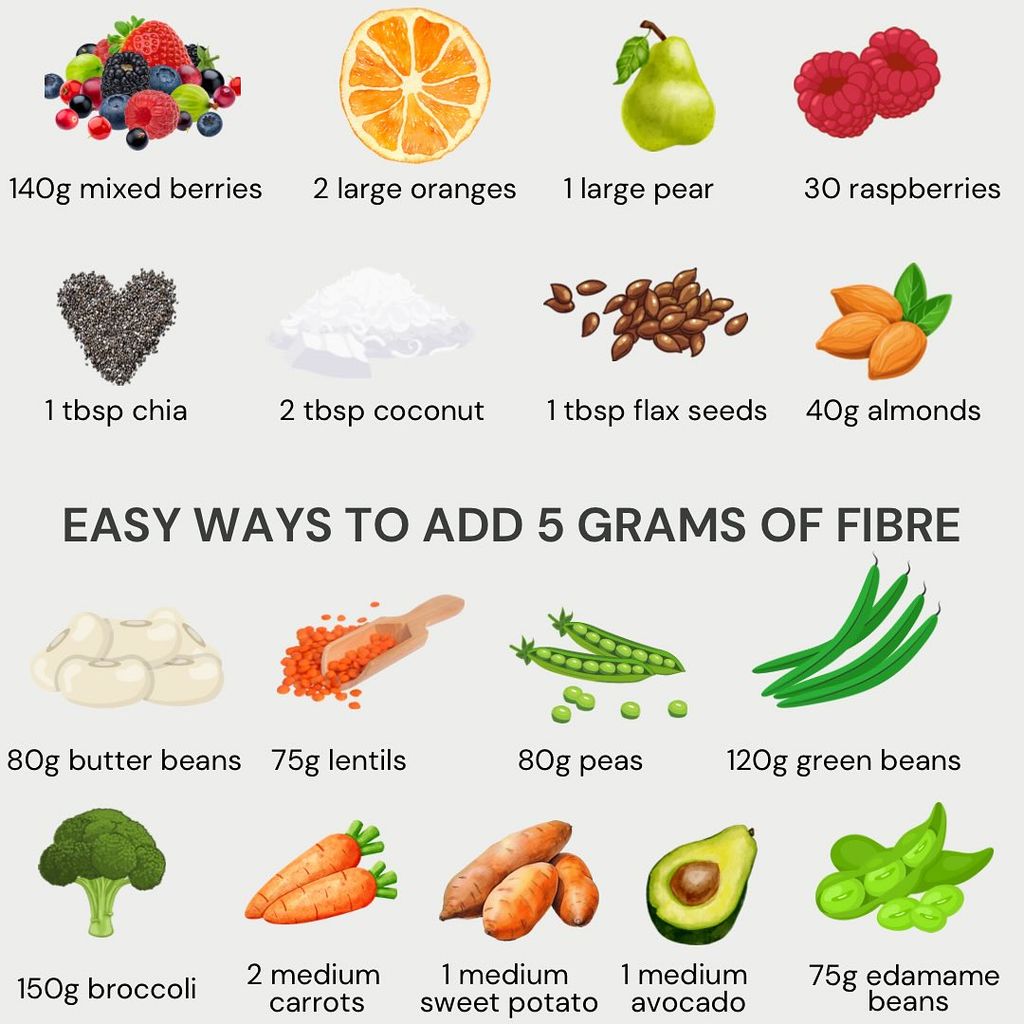
"The thought of eating 30g of fibre a day can feel overwhelming for many people, so the best way to approach it is with 'fibre stacking'," Emma advised.
"That means breaking the 30g down into smaller, more manageable amounts. A useful guide is to think about trying to add five grams of fibre to meals and snacks throughout your day."
Emma continued: "This might look like: two large oranges; one large pear; 40g almonds; one medium sweet potato; one medium avocado; and many more."
This means that if you’re relying on processed breakfast options like cereals, toast or pastries, you are likely falling far short of your fibre and protein quota, and may well be having a negative impact on both your mood and appetite later on in the day. Why not give Emma’s recommendations a try and see what difference it makes?