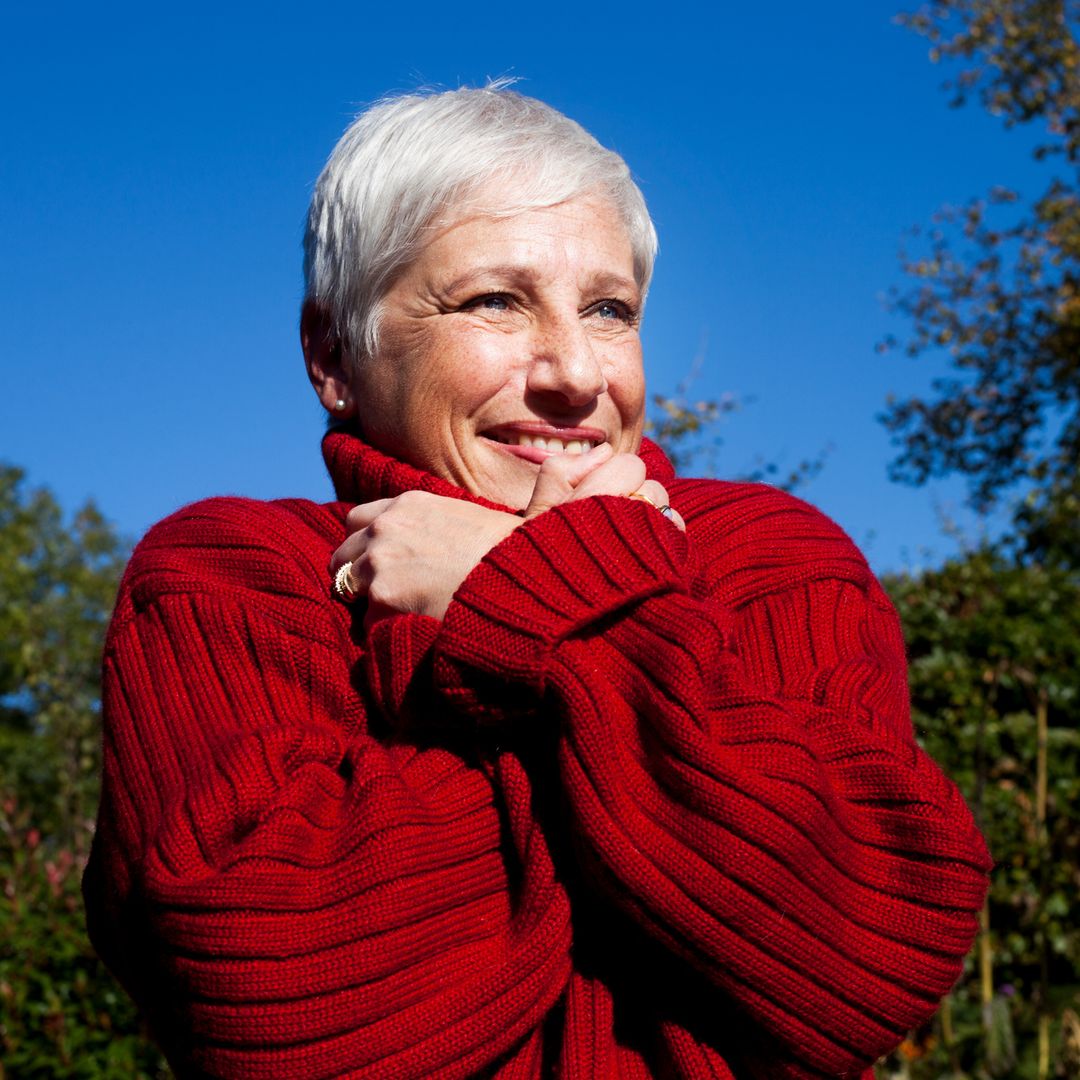

The autumn/winter season offers lots of things to look forward to. From cosy evenings spent watching movies to fireworks night, Halloween, and the cherry on top of the cake, Christmas, the winter months are, for some, a highlight of the year. However, this isn't the case for everyone. Colder months also mean darker mornings and shorter days, which can cause what many people call the 'winter blues'. Lots of people will describe feeling like a dark cloud has washed over them once summer ends, which can last the duration of the season until spring starts to peek through.
Feeling low in the winter shouldn't be discounted as just wishing you were relaxing on a beach like you likely did in summer. Seasonal Affective Disorder, or SAD as it is often known, is the technical term for this experience, and it can affect anyone. For an expert rundown on what SAD is, what symptoms we should all look out for, and how to alleviate those symptoms, we have enlisted two experts. Dr. Michael Swift is the founder of Swift Psychology in Birmingham and has worked as a psychologist for over 10 years, while Lisa McFarland is a life and relationship coach with seven years of experience and the founder of Relationship Coaching NI. Keep scrolling for their advice…
 © Getty
What is Seasonal Affective Disorder (SAD)?
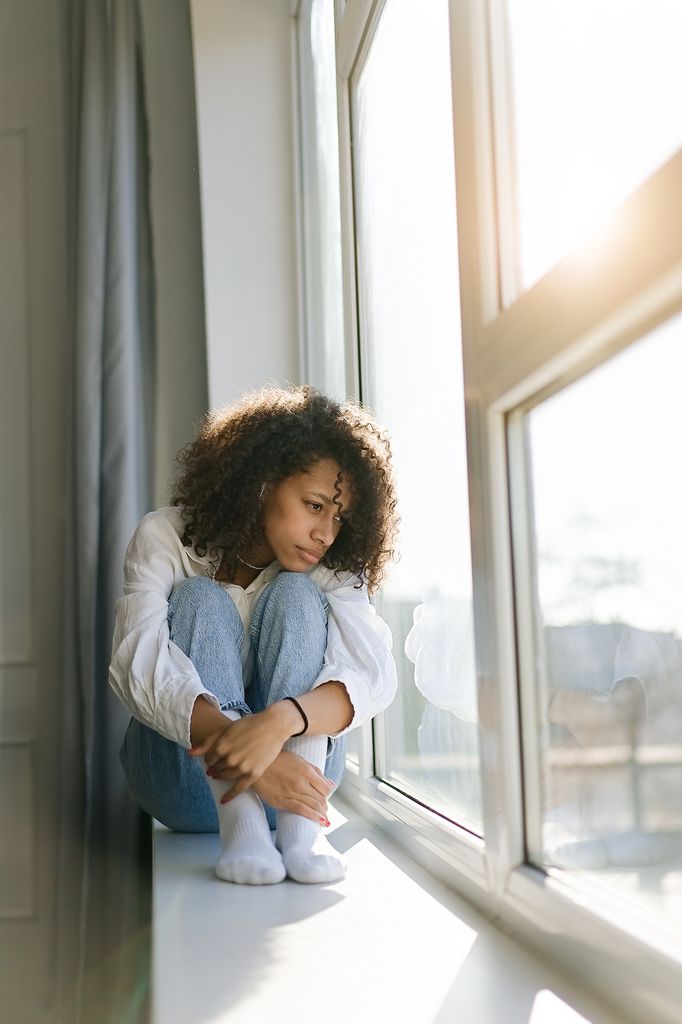
Dr Michael breaks down what SAD is. "Seasonal Affective Disorder (SAD) is a form of depression that typically occurs during the darker months of the year when daylight hours are reduced," he says. "The change in light can disrupt the body’s internal clock and impact mood-regulating chemicals like serotonin and melatonin. People often describe feeling as though their emotional energy 'shuts down' when the days get shorter, only to lift again in spring."
The 5 most common symptoms of SAD
Dr Michael says that the symptoms of SAD can vary. For some, these symptoms are mild; for others, they can be profoundly disruptive to daily life. These are the signs he says to look out for…
 © Getty
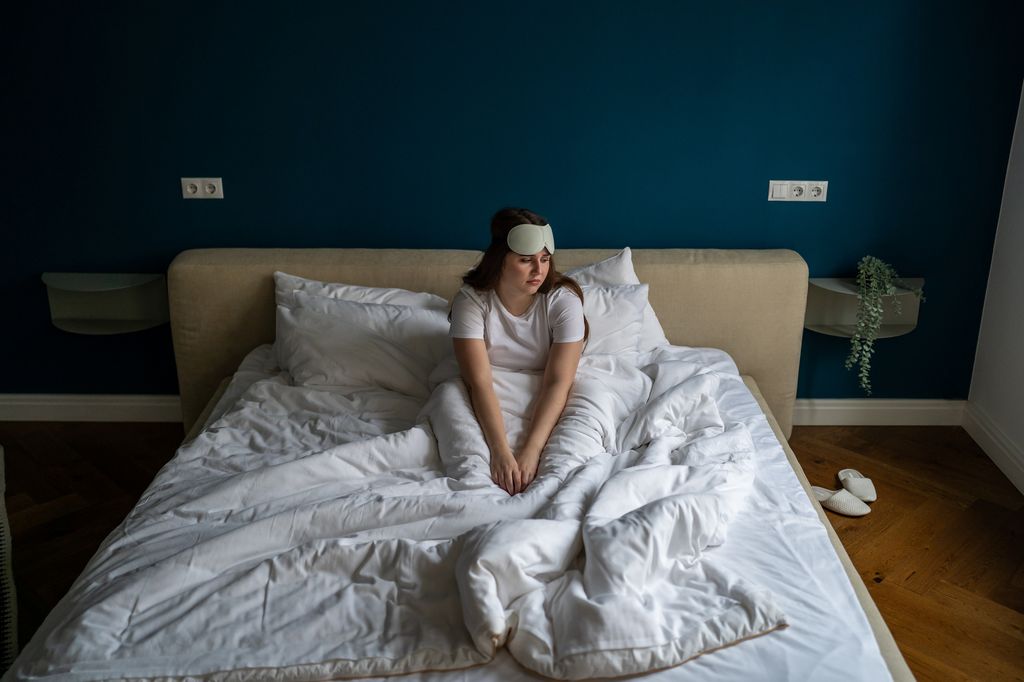
- Low energy or fatigue - One of the first signs of SAD is a deep, persistent tiredness. Reduced daylight can interfere with the body's production of melatonin, the hormone that regulates sleep and wakefulness, leaving people feeling drowsy and drained even after a full night’s rest. That fatigue can make motivation and focus harder to sustain.
- Loss of interest or motivation - Many people describe a feeling of emotional hibernation. Activities that once brought joy, such as socialising, hobbies, or work, can suddenly feel effortful or meaningless. This loss of pleasure, or anhedonia, reflects a shift in brain chemistry, particularly a drop in serotonin levels that naturally occurs when light exposure decreases.
- Changes in sleep or appetite - SAD often brings a strong urge to hibernate, sleeping more, craving carbohydrates, and gaining weight. This is partly a biological response to darker days as the body tries to conserve energy. However, oversleeping and overeating can reinforce the sluggishness and low mood that characterise the condition.
- Difficulty concentrating - Many people with SAD find it harder to focus or make decisions. This cognitive 'fog' can be linked to disrupted sleep and lower dopamine levels, both of which affect motivation and attention. It's not about willpower; it's a neurobiological response to seasonal changes.
- Feeling hopeless or withdrawn - It's common to retreat socially when you're struggling with SAD. That withdrawal can deepen feelings of isolation, but it's important to recognise this as a symptom, not a personal failing. Small social interactions, even brief ones, can be surprisingly protective against low mood.
Why does SAD happen?
SAD isn't just missing being on holiday – there is science behind the brain's reaction to the seasonal change. "Shorter days affect the hypothalamus, which controls sleep, appetite, and mood," Dr Michael explains. "Lower serotonin, higher melatonin, and a disrupted circadian rhythm all contribute to depressive symptoms. Research also suggests that some people have greater genetic sensitivity to changes in daylight, making them more vulnerable."
 © Getty Images
How to beat the winter blues
Lisa McFarland says reframing your approach to the winter months is essential – and you can start doing this the summer before it arrives. "The moment we start from a negative, our mind follows, and remember, the mind believes what the thoughts tell it," she says. "There's so much joy to be found in the colder months, people we can hug, hot chocolate to sip, leaves to kick, cosy evenings to enjoy, and the excitement of family holidays to look forward to. You can even start planning a summer trip now, which gives you something bright on the horizon.
"From a practical perspective, light is everything. Try to get a few minutes of morning sunlight, even just a quick walk. If possible, sleep with your curtains slightly open so natural light helps wake your body gently," she adds.
 © Getty
"A SAD lamp or sunrise alarm can also be a game changer. Vitamin D is essential throughout winter, as low levels can affect mood and energy. Balanced nutrition is important too, think earthy, nourishing foods like root vegetables, stews, and soups that feed both body and mind. And don't underestimate the power of routine. Going to bed at a regular time and keeping an eye on alcohol, which can disrupt sleep, makes a real difference."
Staying sociable in the winter
Though it can be tempting to hunker down and hibernate in winter, staying socially connected is important if you are prone to SAD. "Even a short phone call, video chat, or coffee with a friend can boost your mood and help you feel grounded. If it's hard to get out, schedule that coaching session, join a six-week course, or plan a gym class with a friend. Having someone else counting on you makes it easier to show up," she suggests.
"Volunteering, joining a club, or planning a walk with a neighbour are all ways to stay connected and needed, which is especially important in the darker months. Movement also matters. Gentle exercise, stretching, yoga, or a brisk walk releases endorphins and helps regulate sleep," Lisa continues.
 © Getty
"Small acts of self-care, such as journaling, reading, listening to music, or any creative pursuit, bring light and warmth even on the darkest days. Try to avoid doom-scrolling or comparing yourself to others online as it can sap positivity.
"Sometimes, beating the winter blues means stepping outside your comfort zone. Download that dating app, take up a hobby, or try something new that excites you," she concludes. "Connection, curiosity, and new experiences build your resilience and boost serotonin naturally. And if low mood persists, don't hesitate to reach out to a healthcare professional. Support, treatment, and meaningful human connection can make all the difference."
I certainly am looking forward to embracing cosy season with those around me and know that even a simple activity like going for a walk can make you feel lighter if you head out with someone else.