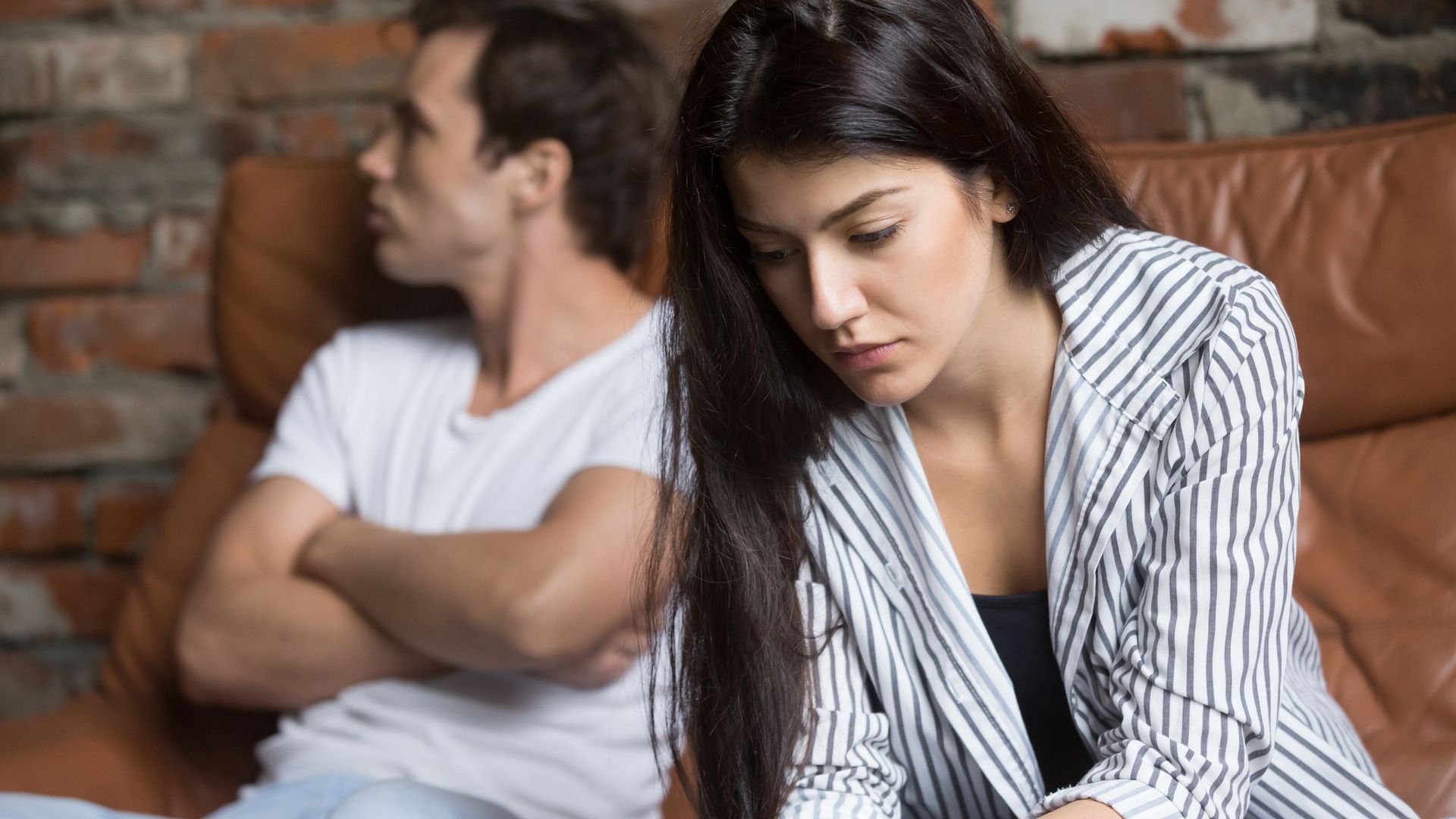

Seasonal depression may be doing more than just impacting your mood and energy levels, it may be negatively affecting your relationship, too. According to a relationship therapist, seasonal affective disorder (SAD) can create an "imbalance" between couples, which may lead to distancing and misunderstanding that endure even after winter draws to an end.
If you're prone to feeling depressed during the colder and darker months, here's what you need to know to avoid damaging your relationship, according to Sofie Roos, a licensed sexologist and relationship therapist.
 © Getty Images/iStockphoto
What is seasonal affective disorder (SAD), and why does it affect relationships?
"SAD is a form of temporary depression caused by the season, and it often comes with the darkness and cold during late autumn and winter, especially in the north. Many people describe it as the energy fades, that the mood gets heavier and not as light, and that all you do takes a bit more effort and energy, even the things you normally enjoy and that used to energise you," Sofie says.
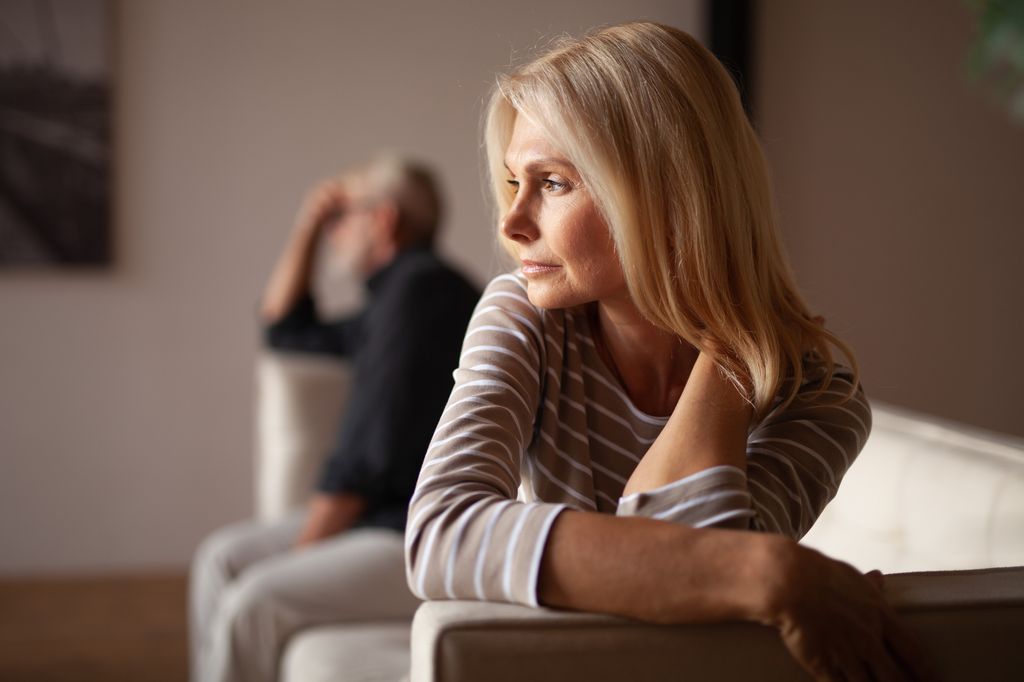
Understandably, this can have an impact on all aspects of your daily life, including your relationship. "In a relationship, SAD easily creates an imbalance where one partner works as normally and wants to be social, active and intimate, while the one affected negatively by the season pulls back, is less initiative taking, and most often prefers to just rest," the therapist explains. "While SAD is completely normal, it’s easy for it to lead to misunderstandings, frustration or a feeling of slipping away from each other."
The emotional and physical symptoms of SAD that impact intimacy
When you're feeling blue, getting intimate may be the last thing on your mind, as Sofie Roos, a relationship therapist and author at Passionerad, explains. "SAD leads to a mix of symptoms that can affect how you’re doing in your relationship. Emotionally, it often leads to a decrease in motivation and less desire to hang out, you feel emotionally down and more irritated, as well as feeling like crying. Negative thoughts about yourself and the future take over, and your sex drive suffers.
"Physically, you often feel extremely exhausted and tired, you sleep more but feel less rested, your body feels heavy, and often you start to eat worse food.
"This leads to you having a hard time being responsive to your partner. It's also common to feel it's harder to be engaged in conversations and in emotional intimacy."
How couples can prepare for seasonal depression before it starts
However, if you're prone to seasonal depression or SAD, all hope is not lost! With some preparation and clear communication with your partner, you don't have to let your relationship suffer.
 © Getty Images
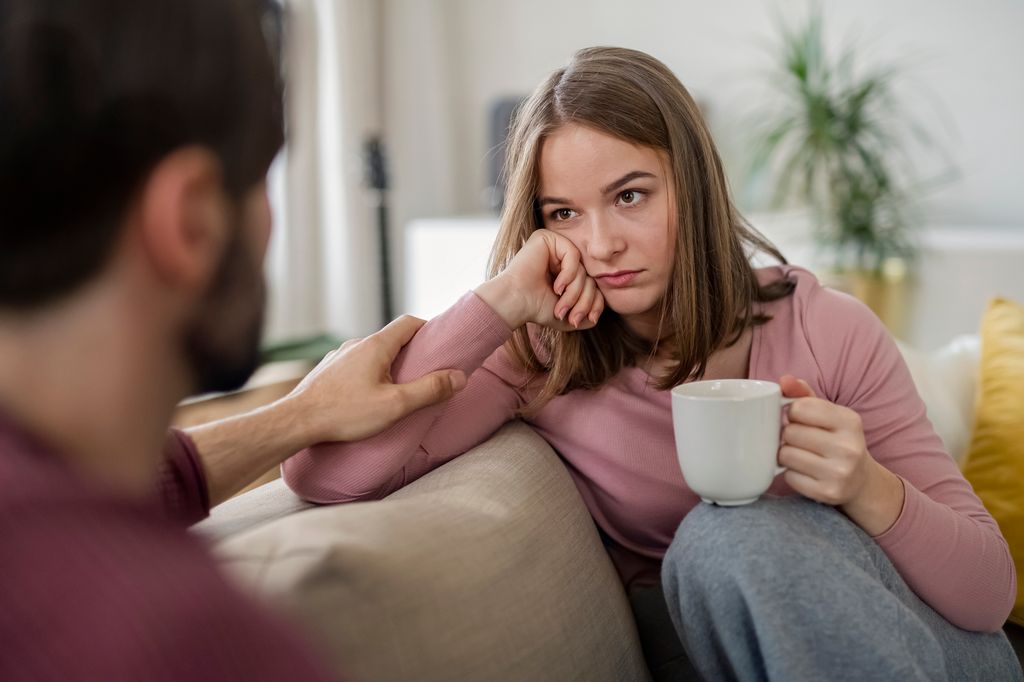
"My top recommendation is to talk about it. Open up and be honest about how you usually cope during the dark and cold months, and let your partner know that your boundaries and needs have changed," Sofie says. "It’s also a good idea to plan for more structured days. Having better routines for sleep, food and exercise often makes a big difference!"
You may also wish to make plans for the season ahead to prevent depression from creating distance between you and your partner. "I also advise people to prepare for strategies you can use to stay connected. This can be taking shared walks a few times a week, having a dinner date every weekend, watching a series together or being better at going to bed at the same time," the relationship therapist shares.
"Lastly, remember to be kind to yourself. Don’t expect that you will have the same energy levels as you had in June, and be okay with that, and do your best based on those conditions!"
How to deal with a partner with seasonal depression?
Partners of someone with seasonal depression should also be kind to themselves - and their loved one - too. "To be [in a relationship] with a person experiencing SAD takes lots of patience and empathy. The most important thing is not take the change personally. It’s not them, it's their brain. I promise they’re disliking it more than you, and the only thing they want is to be able to give you the best," Sofie says.
 © Getty Images
"Don't confront them, it will be counterproductive as lead to lots of stress and anxiety! Also, try to support without being pushy. Ask how their day has been, and if they need anything special from you right now."
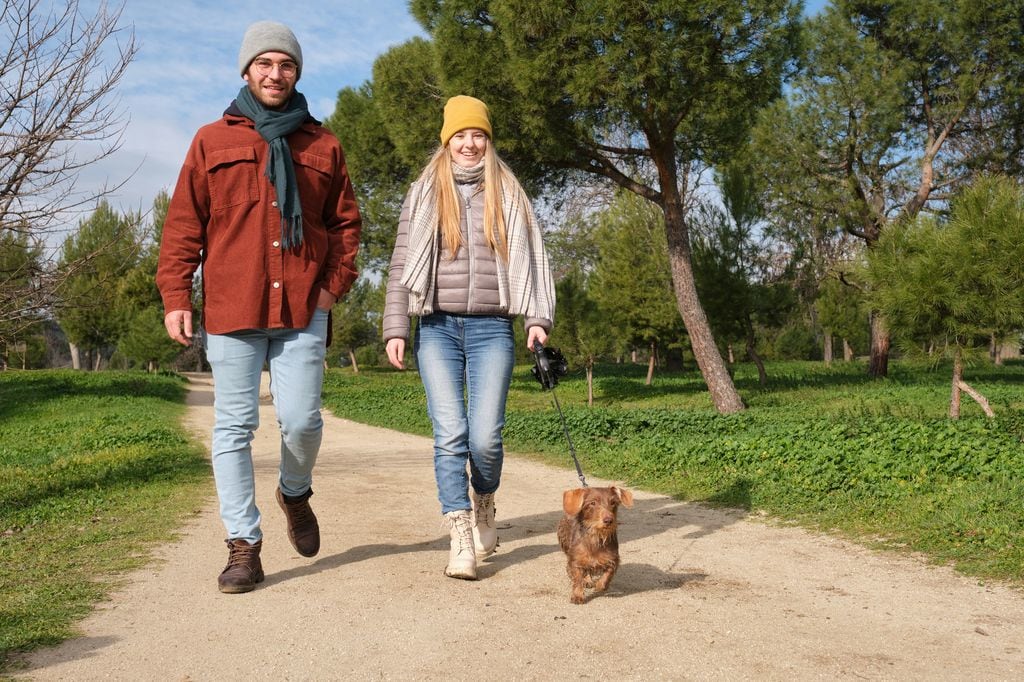
You may also want to find ways to spend time together and establish healthy habits throughout winter. "Another great thing is to try to encourage your partner into better habits, but do it in small steps. Initiating a walk, going out for a meal, taking a bath together, watching a movie or cooking some food often makes a big difference!" the expert suggests.
"I also want to highlight the importance of creating good routines that lead to intimacy and taking care of your relationship. It can be anything from hugging more or making your partner a good breakfast to having a cosy night in without any obligations."
Finally, Sofie says you should take care of your own health too. "Lastly, don’t forget about yourself, so make sure you also let your partner know about your boundaries and needs. SAD is still no excuse to leave all responsibility for the relationship on you!"
Advice and help from experts
You don't just have to put up with seasonal depression; there are a few expert-backed ways to support your well-being through winter and ease the symptoms you may experience.
"Light therapy can help a lot, as well as taking Vitamin D supplements. Make sure to get your exercise, no matter if it’s walking, running, playing a sport or hitting the gym. The hormones released during physical activity have a very strong positive effect on our physical health that can help deal with SAD," Sofie says.
"Additionally, make sure to always prioritise open and honest communication about what you need, and don't be afraid of seeking professional help as that can make a big difference."


