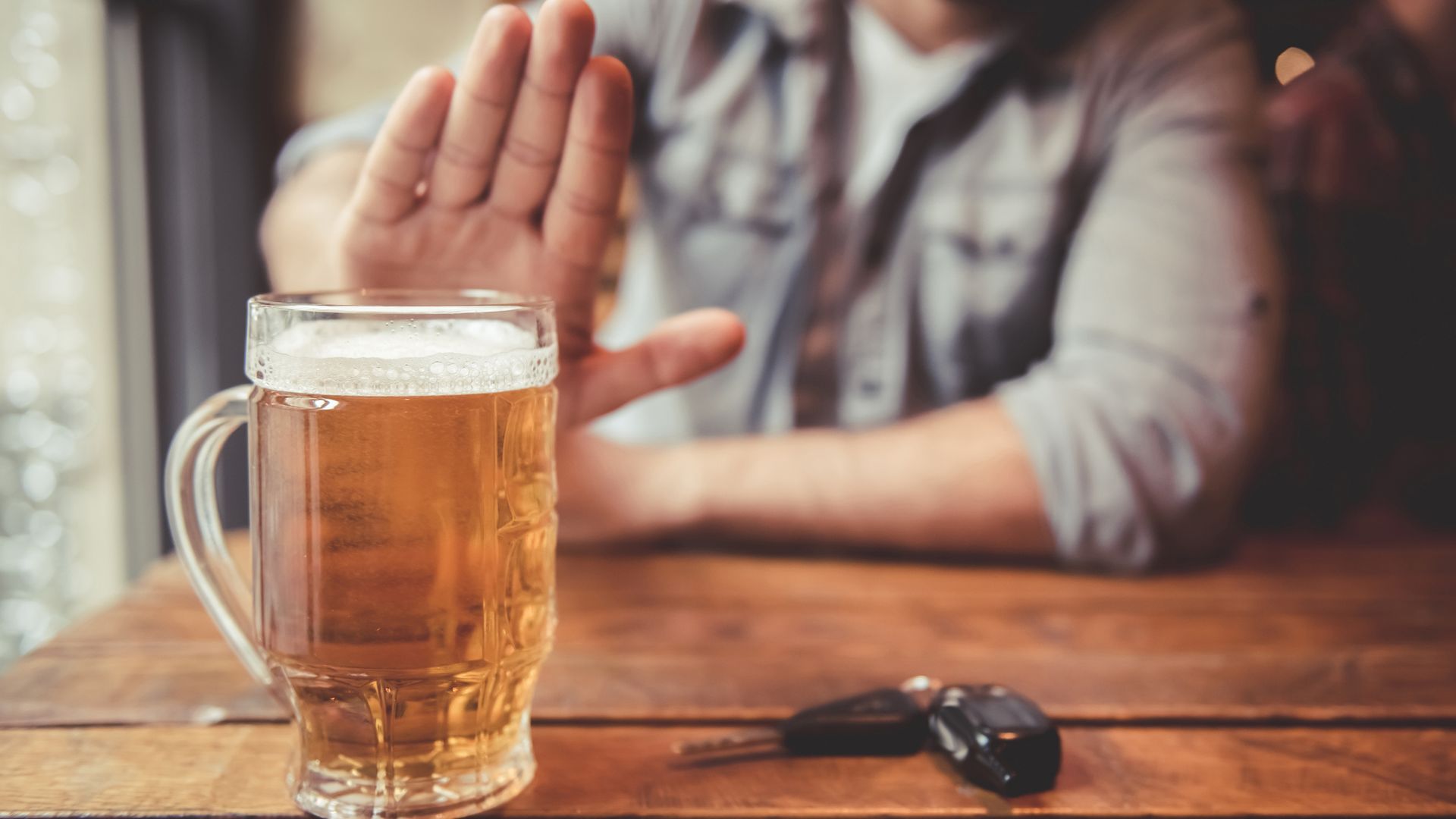

The Government plans to launch a consultation on a lower blood alcohol limit for drivers in the UK in a bid to improve road safety. It comes as government figures state that an average of four people die on the roads in the UK each day, and one in six fatal crashes in 2023 were in drink-driving collisions.
The lower drink-drive limit is one of a number of measures that may be introduced, including expanded powers to suspend licences for suspected drink or drug drivers. The drink-drive limit in England and Wales has remained unchanged since it was first introduced in 1969, and is currently the highest in Europe. But what exactly will the new laws state, and how much alcohol is safe to drink? Here's what you need to know…
 © Getty Images/iStockphoto
What are the new alcohol driving laws in the UK?
As part of the motoring offences consultation, the government is reportedly planning to introduce a drink drive limit of 50 milligrammes per 100 millilitres of blood (0.5g/l), or 22 micrograms per 100 millilitres of breath - the same as what is currently in place in Scotland.
Meanwhile, new drivers may face an even lower alcohol limit in a bid to further prevent alcohol-related accidents and deaths.
The government is also reviewing the penalties and mandatory training for drink and drug driving offences, including consulting on the use of alcohol interlock devices, which could be fitted to cars of previous offenders before they are allowed back behind the wheel.
What is the current drink drive limit in the UK?
The current drink drive limit differs depending on where you are in the UK. In England, Wales and Northern Ireland, the limit is 80 milligrammes of alcohol per 100 millilitres of blood (0.8g/l), or 35 micrograms per 100 millilitres of breath. Meanwhile, the limit is lower in Scotland, and is currently 50 milligrammes per 100 millilitres of blood, or 22 micrograms per 100 millilitres of breath.
The amount of alcohol this equates to can vary significantly depending on a number of factors, but it is often said to be the equivalent of a small beer or glass of wine. However, factors such as the type of alcohol you're drinking, your gender, weight, age, metabolism, whether you've eaten recently and even your current stress levels all impact your blood alcohol levels, so it is safest to avoid alcohol completely if you are planning to drive.
 © Getty Images
Is the new lower alcohol limit enough?
While lower drink-driving limits may help to prevent some accidents, an expert has warned that it still may not be enough to curb drink-driving altogether. Charlotte Le Maire, a specialist criminal and regulatory lawyer and barrister, and founder of CrashLaw24, says: "When people think about drink-driving, they picture someone knowingly getting behind the wheel while drunk, but in many cases it’s the morning after where many drivers get caught out. People often assume they’re ‘fine’ because they’ve slept or eaten, but blood alcohol levels can still be well above the legal limit.
"Lowering the limit is unlikely to address that false sense of safety by itself. Without a substantial educational campaign to back the change, the reality is we’ll see more drivers failing tests and the prosecution rate rise."
How the UK's drink driving laws compare to the rest of the world
As mentioned previously, England's current drink-drive limit is the highest in Europe. Like Scotland, countries including Spain, Germany, Portugal and France have a drink-drive limit of 50 milligrammes per 100 millilitres of blood (0.5g/l). Meanwhile, in some countries - including Slovenia, Hungary and Romania - drivers must have a blood alcohol level of 0.0g/l at all times. Random breath tests are also more common across Europe, with police legally permitted to stop and test drivers even when they are driving carefully.