If a fitness instructor ever utters the words 'jump squats' or 'burpees', my heart sinks. I'm a fairly fit person, but having to jump during a workout is my worst nightmare. It makes me unreasonably out of breath, and while I love a challenge, jumping is truly something I'd rather avoid.
Sadly for myself and the other jump-averse exercisers out there, jumping is a fairly important aspect of working out.
"Jumping really is one of the best things you can do for your bones," says fitness professional Tara Riley, who incorporates bouncing about into her barre classes. "People don't always think of bone as living tissue, but it is – just like your muscles and your skin. It responds when you give it a reason to, becoming denser and stronger over time."
 © Cecilia Cristolovean-Csiky
On the importance of jumping during workouts, Tara adds: "Every time you jump and land, that impact signals your skeleton to adapt so it's better able to handle that force. It sounds counterintuitive, but jumping can make your bones stronger."
Jumping benefits
Tara continues: "The biggest benefit of jumping is stronger, healthier bones. Research has linked jumping exercises with increased hip bone density, which could help reduce the risk of hip fractures later in life – something that's particularly important for women during and after menopause."
 © Cecilia Cristolovean-Csiky
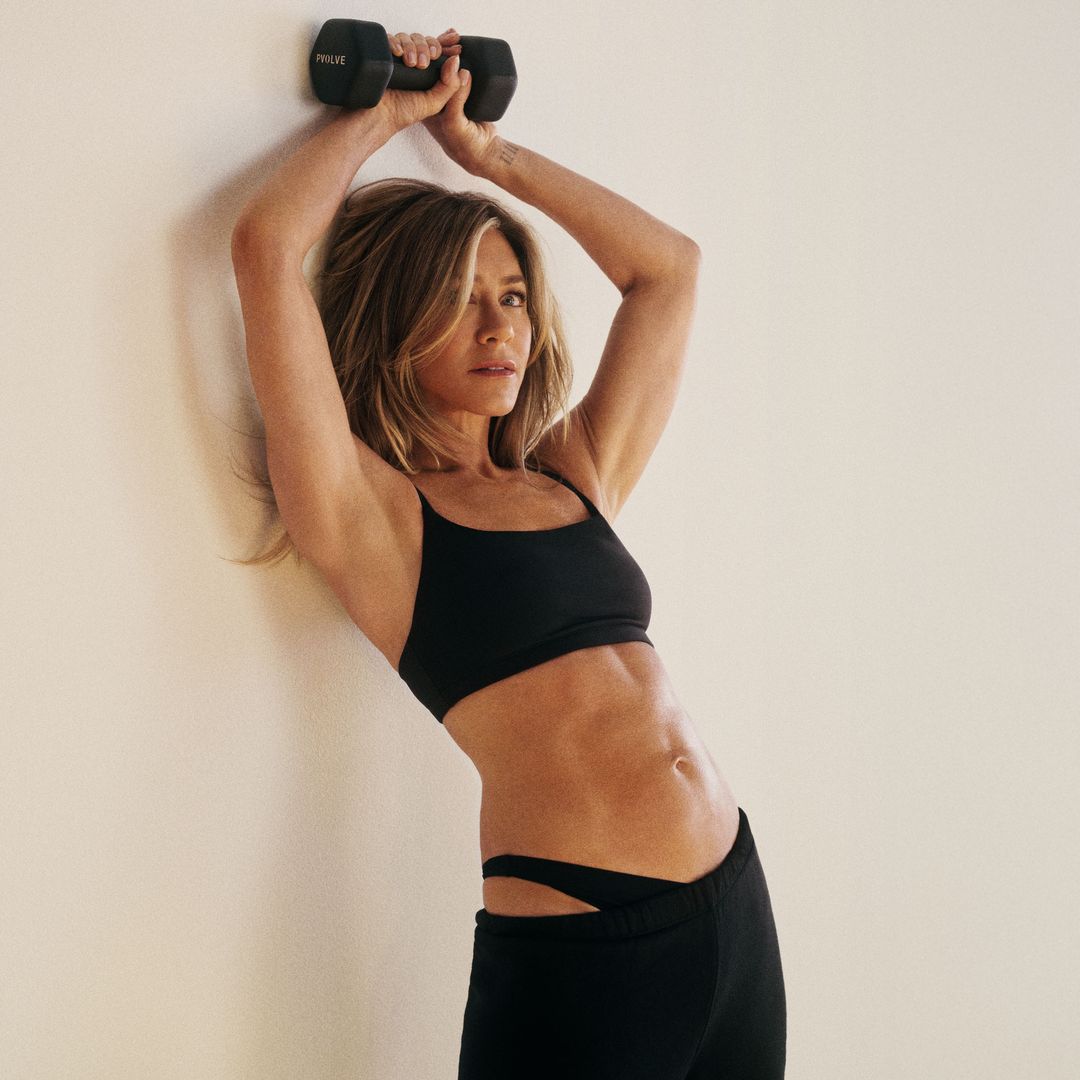
Jennifer Aniston's trainer, Dani Coleman, is a proponent of jumping and adds: "Jumping creates a specific mechanical load that signals the body to increase mineral density. By jumping in multiple directions, we develop omnidirectional bone strength - a non-negotiable for long-term resilience and longevity."
 © Instagram
It's the multiple directions that is particularly interesting, as fellow celebrity trainer Monique Eastwood, who works with Emily Blunt and Anne Hathaway, explains: "Multidirectional moves are key to strengthening your pelvic floor.
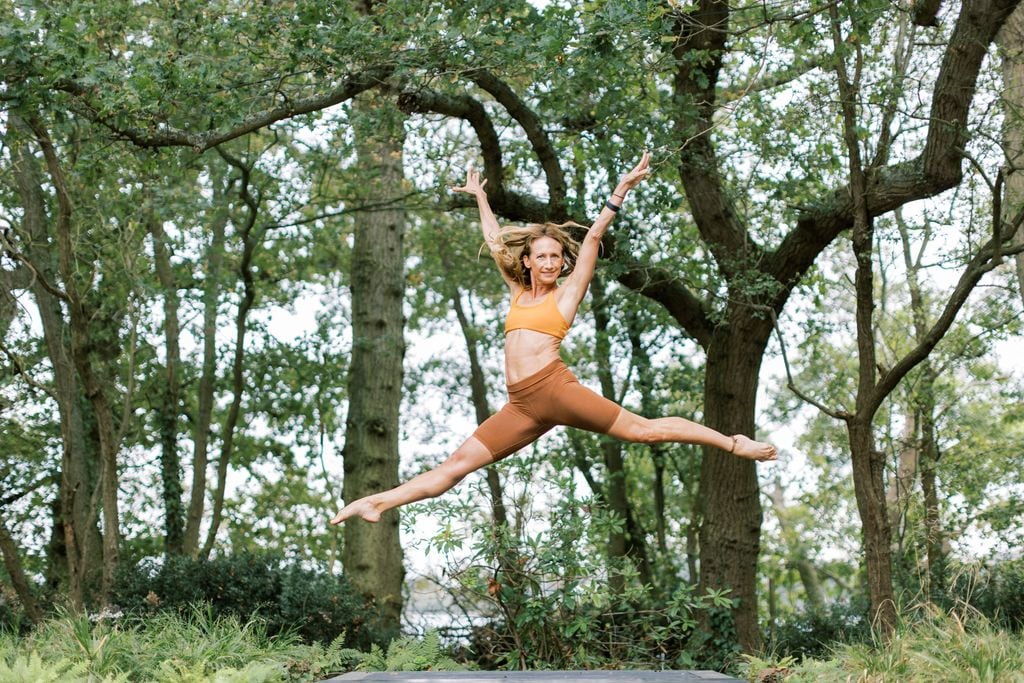
"By moving in different directions, you're opening and closing those muscles," Monique explains. "Without realising it, you're getting a stronger pelvic floor and a stronger core, and you will notice a difference. One of my clients recently said to me, 'I just don't need to go to the bathroom as much,' but she didn't understand why. It's because she's strengthened her pelvic floor."
The good news is, we jump-haters don't need to leap up and down too much to see the benefits. "You don't have to spend hours doing high-impact workout," reassures Tara. "Small, low-repetition jumps, like the cardio bursts we include in my Barre Sculpt and Cardio Blast classes, are enough to stimulate your bones while also raising your heart rate and supporting cardiovascular health.
"Whether it's a little jump squat or jump lunge, those controlled jumps really do add up over time. Keep jumping – your skeleton will thank you for it."
Low-impact alternatives to jumping
That said, if you can't jump due to an injury or pelvic floor issues, Dani shares her advice for alternatives to jumping.
 © Instagram
1. Heavy resistance training
"If jumping isn’t an option, you can achieve similar bone-building benefits through heavy resistance training," she says. "Make them slow, controlled, and heavy to create axial tension [moves that focus on lengthening the spine, engaging deep core and neck stabilisers]."
2. High-impact stomping
Just as it sounds, and a great way to get aggression out, stamping energetically is a practical way to trigger bone signalling without the joint stress of a full landing.
3. Power training
Prioritising velocity is key, Dani says. "Moving weight with intent forces the skeletal system to stabilise and strengthen."