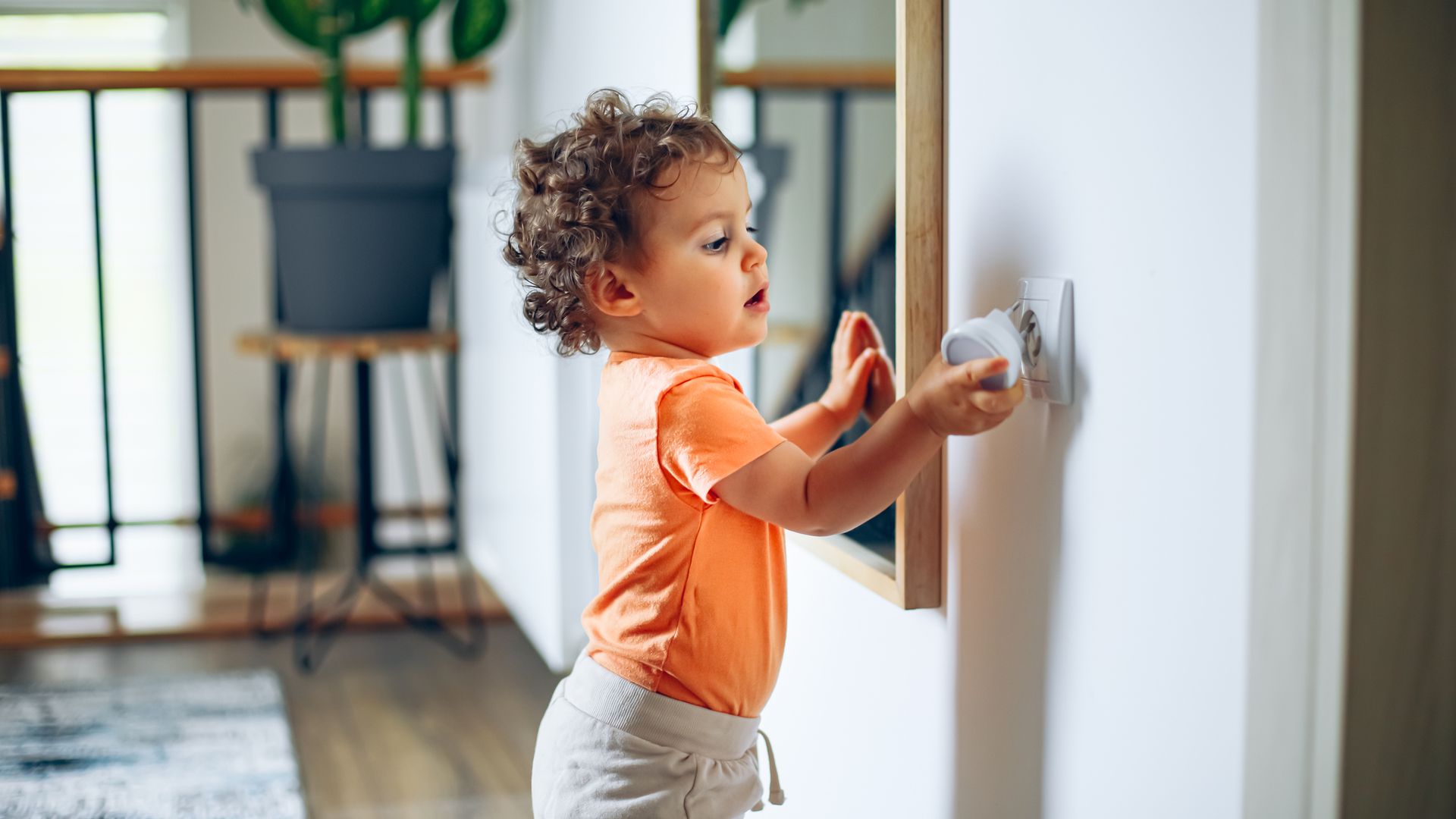

As a parent, one of the most important things you can do is to ensure your home is a safe space for your child to explore and grow.
From crawling infants to fussy, playful toddlers, children are naturally curious about everything around them, which can become a significant safety risk if you aren’t properly prepared.
Childproofing your home isn’t just about installing a plethora of baby gates and sticking in some socket covers; it’s an all-around mission and commitment to eradicating potential hazards and making your home as safe as possible.
Whether you're expecting a newborn or have a little one already on the move, HELLO!'s expert-backed guide to childproofing your home should help alleviate some of the stress and potential accidents that are waiting to happen.
What poses the most hazards in a home?
While most homes don't initially seem to be full of dangerous items, through a child's lens, there are a lot of things that could pose a risk when they are crawling around the floor and figuring things out.
The most significant hazards often come from everyday items that parents might not even consider to be dangerous.
There are the obvious ones:
- Sharp objects: Knives, scissors, and even cornered furniture that could lead to cuts or falls if a child bumps into them or uses them for standing support.
- Toxic substances: Cleaning products, medications, or pesticides are also a serious risk if swallowed or touched in some cases.
- Electrical outlets and cords: They present shock hazards, especially as children grow more curious, and staircases and high furniture pose serious fall risks.
Dr Sasha Hall, senior educational and child psychologist and a parent of two, told HELLO!: "As an Educational and Child Psychologist, I encourage parents to think about childproofing in terms of how children develop.
"Toddlers and young children explore the world through touch, movement, and trial and error. At this age, their brains are still developing the ability to judge danger, control impulses, and understand consequences."
She continued: "This means curiosity often outweighs caution, so children are drawn to things adults would immediately recognise as risky."
 © Getty Images
How can I childproof my house?
Besides being vigilant and keeping choking hazards out of reach, there are a number of things you can implement in your home to make sure your children are safe while they are exploring.
Dr Sasha has broken down the steps to ensure your house is as safe as can be for your new arrival or your growing child. She suggested:
- "Lock hazardous items away and store them high up: Medicines, cleaning products, batteries and sharp objects are less tempting when out of reach. This works with a child’s natural developmental need to explore while preventing accidents, reducing the constant “don’t touch” reminders parents have to give.
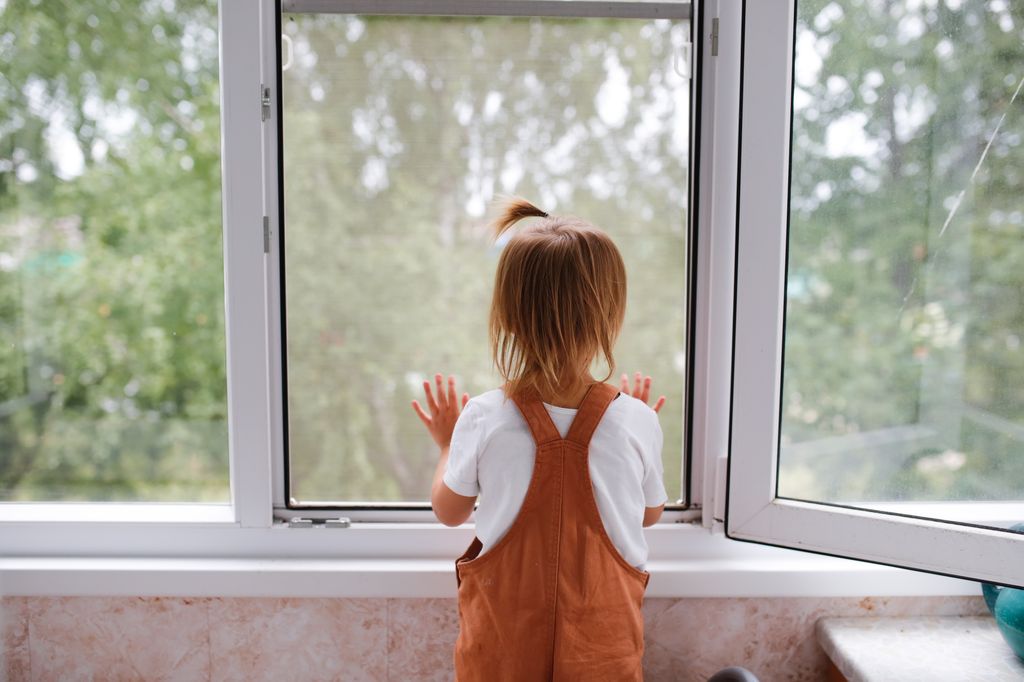
- Add safety locks to upstairs windows: Young children are drawn to high places because they are learning about space and perspective. Locks allow them to explore their environment safely while their spatial awareness develops.
- Secure or cover everyday household features: Items like extendable washing lines, low cupboards, or accessible drawers can trigger repeated curiosity. Adjusting these features respects children’s exploratory behaviour while keeping them safe.
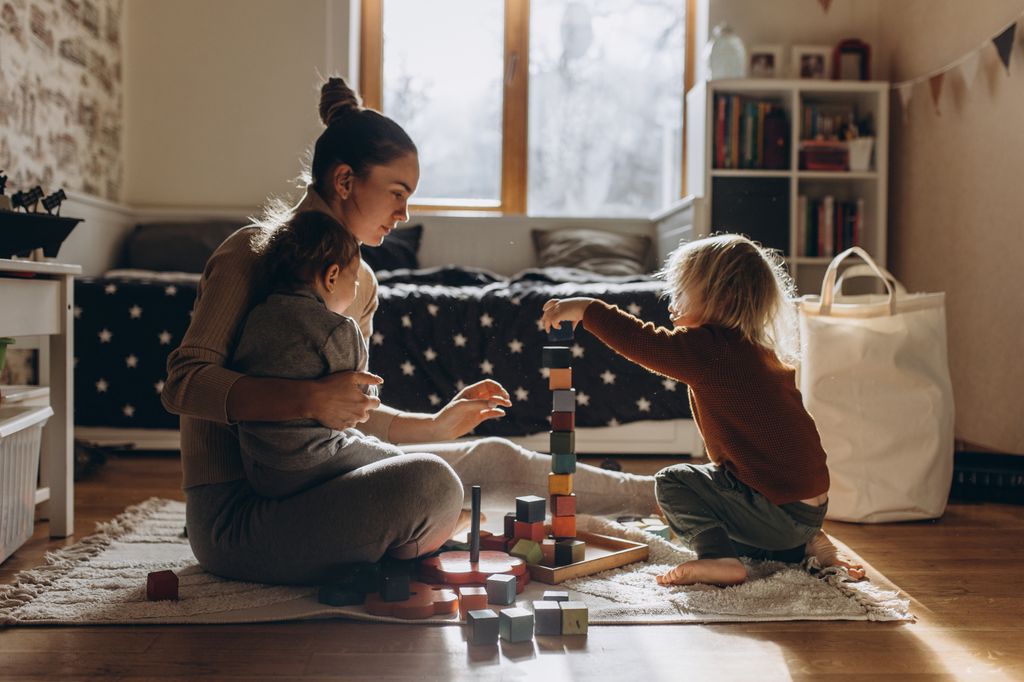
- Provide one safe drawer or cupboard for exploration: Children have a developmental drive to open, empty and experiment. Offering a designated space meets this need and teaches them that some exploration is allowed, reducing risk elsewhere.
- Rearrange furniture if you have a keen climber: Climbing helps develop strength, coordination and problem-solving skills. Adjusting furniture removes unsafe climbing opportunities without suppressing the child’s natural learning behaviour."
 © Getty Images
Experts also suggest anchoring furniture to walls helps prevent falling hazards. They also urge parents to pay special attention to button batteries (found in toys and remotes) and blind cords. Ensure batteries are screwed down tight and cords are cleated high up.
Making these small adjustments will have more of an impact than you think. Dr Sasha recalled a memory she had from a client and shared: "One family I supported created a safe drawer filled with wooden spoons, tubs and sensory items.
"Their toddler gravitated to it, and the constant cupboard-opening stopped. Another simply shifted furniture to remove an accidental climbing path, immediately reducing stress and accidents."