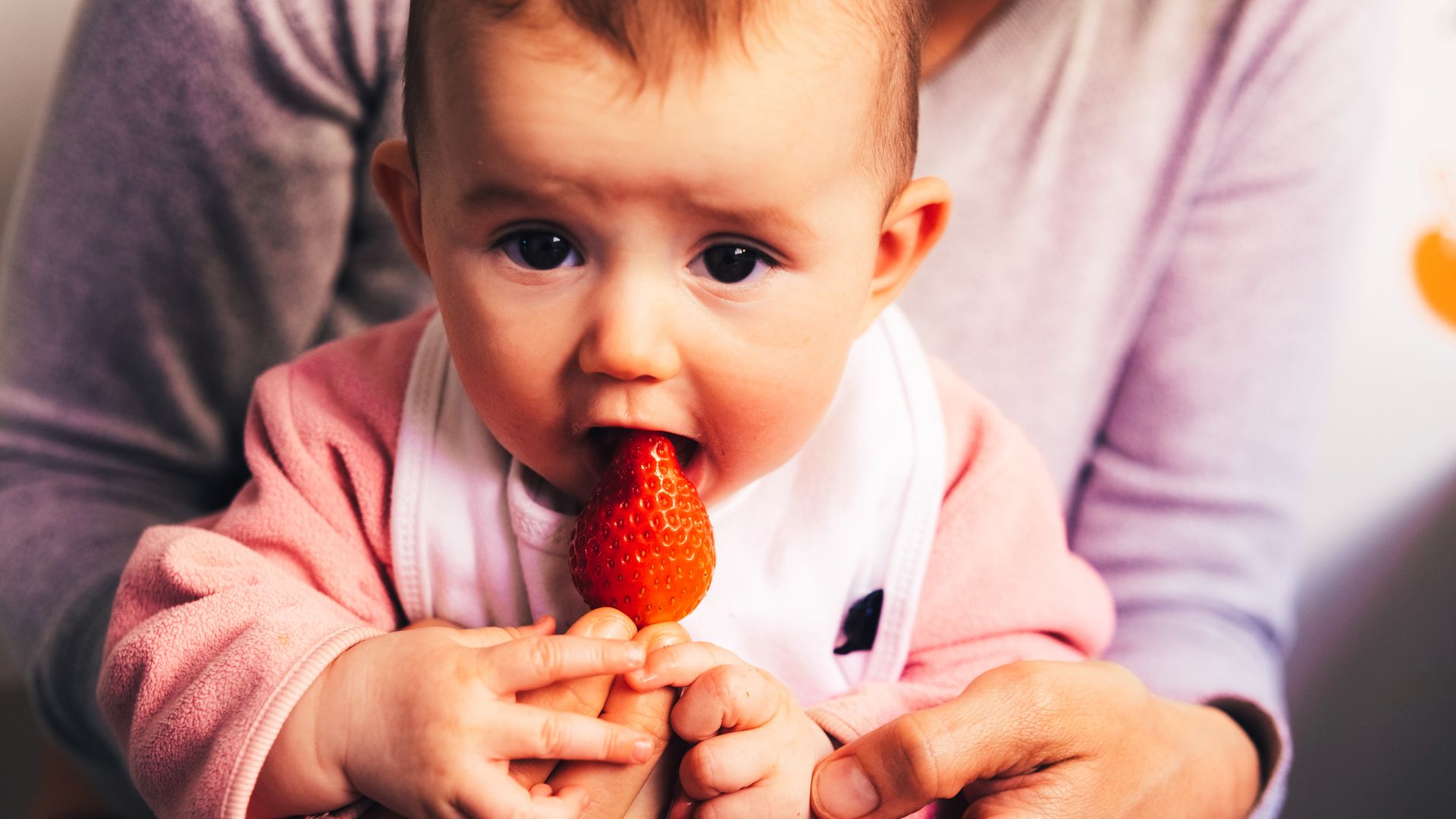
When it comes to parenting babies, the advice is endless. Whether you prefer to take tips from the internet's experts or seek guidance from an old-school parenting book, the amount of information available about baby dos and don'ts can be overwhelming.
One area that falls victim to an overload of misconceptions and unhelpful counsel is weaning. The process of introducing your baby to solid foods, otherwise known as weaning or complementary feeding, usually happens when your baby is around six months old.
This is a highly personal task, and the right approach will vary from child to child depending on the speed of their development and evolving dietary sensitivities.
To make sure you have access to the best, most reliable advice possible, HELLO! consulted the experts on weaning and asked them where you should start if you are feeling lost and confused by the entire process.
Why exploration and variety are key
The first few months of solid food should be treated as an exploratory phase to decipher the types of food that react well with your baby and the sort of things they don't like. It should be fun and adventurous, rather than strict and regimented.
Offering a variety of ingredients and meals will speed up the process of determining any hidden allergies or food sensitivities and will encourage your baby to develop a broader palate.
Charlotte Stirling-Reed is a baby and child nutritionist and author of the Sunday Times bestselling book, How to Wean Your Baby. She explained her approach to HELLO! and outlined why a balanced, mixed plate is so important early on.
Charlotte revealed: "The first year of a baby’s life is such a unique opportunity to establish lifelong healthy eating habits for our little ones. The habits around food that they develop early on in their lives can carry into older childhood and even adulthood.
"For this reason, I wish so much that more parents understood the importance of these early food experiences – not so that they can have extra pressure on themselves (because we all know parents already have enough of that), but more so that parents can realise how exploring, rather than trying to make every meal perfect, is what really matters."
She continued: "Lots of research shows us that offering a wide range of foods early on helps babies become familiar with different tastes and textures. This means A: babies are exposed to a lot of different nutrients via this variety, including essential nutrients like iron, fibre and antioxidants and B: babies will start to build an acceptance of a wider variety of foods.
"This is because once babies become familiar with foods, they often accept them more readily. Even introducing foods in different colours and formats, from soft carrots and squashed peas to chopped up leafy greens, helps babies learn that food is diverse and enjoyable. Variety also encourages curiosity and confidence around mealtimes."
Paediatric dietitian and feeding therapist, Lucy Upton, agreed with Charlotte and added: "Remember, young children learn through experience and modelling – meaning having a go with food, and copying you will be the best ways to help them learn how to eat. Try to eat with them when you can.
"Focus on variety over volume eaten. It’s easy to rinse and repeat, offering foods you know they eat more of (this means some babies get 'stuck' with smoother or sweeter foods). Instead, focus on plenty of variety, and remember learning looks like squishing, holding, licking and spitting!"
Should I expose my baby to allergens?
Every parent worries about their little one having an allergic reaction to food during the weaning process. However, according to the experts, allowing your child to be exposed to allergens early on might be vital to avoiding lifelong allergies that transform into more serious risks to their health.
Charlotte explained: "One of the most significant aspects of feeding in the first year is the safe introduction of common allergens such as peanuts, eggs, dairy, and fish. Latest evidence suggests that offering these foods in small amounts, one at a time and early on in weaning, can reduce the risk of developing allergies.
"For example, a tiny bit of peanut butter stirred into a puree or a tiny bit of well-cooked scrambled egg mashed into a potato tot can be a safe and beneficial way to explore allergens early on. Once tolerated, foods such as nut butters and eggs should remain part of the weekly diet to maintain exposure."
Lucy agreed, and said: "Guidance now strongly supports and encourages the introduction of allergenic foods like peanut and eggs from six months (or before if at higher risk of food allergy, e.g. children with eczema), alongside other weaning foods. Delaying the introduction of food allergens may actually increase allergy risk."
What foods should I feed my child during this phase?
While there really is no exact formula for the weaning process, there are some key nutrients that should be included in your child's diet to ensure they are getting all their vitamins and minerals.
Charlotte compiled a list of food groups that should be added to your baby's plate to contribute to healthy development and growth. These include:
- Iron-rich foods: Iron is essential for brain development and growth. Including iron-rich foods such as lean red meat, e.g. mince, lentils, beans (mashed somewhat), tofu, and appropriate fortified cereals is really key. Parents should aim to include iron-rich food sources around 2 times a day once weaning is underway.
- Vitamin C: Strawberries or soft-cooked peppers help the body absorb iron more effectively.
- Healthy fats: Babies require more fat than adults to fuel rapid brain development, and because fat is an important part of all of the body’s cells. Foods such as avocado, oily fish like salmon and mackerel, full-fat natural or Greek yoghurt, olive and seed oils, eggs and nut butters provide healthy fats as well as some essential omega-3 fatty acids.
- Vegetables: Babies are born with a preference for sweet foods, so getting in there early with some savoury, varied, bitter tastes can help them to begin the process of being familiar with a variety of veggie tastes.
- Breast milk or formula: This remains the main source of nutrition until around 10-12 months, but complementary foods offered during weaning are still key and play a really vital role in helping babies learn to eat and learn to accept a wide variety of textures.
What foods should I avoid?
Exploration during the weaning phase is really important as it exposes your child to new tastes, textures and smells.
However, certain things will do more harm than good and are worth leaving to the side until your baby is old enough to process harsh ingredients. According to Lucy, these include:
- Any added salt, or salty foods, e.g. processed meats, crisps, gravy, stocks
- Over-reliance on pre-prepared baby food or 'snacks'
- High sugar foods or drinks such as fruit juice, smoothies, chocolate, cakes, sugary cereals or yoghurt, and any 'baby' snacks or foods that contain high amounts of fruit juice concentrates or free sugars
- Any foods which pose a choking hazard for babies, e.g. whole grapes, cherry tomatoes, chunks of hard fruits or vegetables, whole nuts or spoonfuls of sticky nut butter, sticky bread
- Honey should be avoided under 12 months due to a small risk of infant botulism
- Unpasteurised dairy or raw milk can contain harmful bacteria that increase the risk of food poisoning"