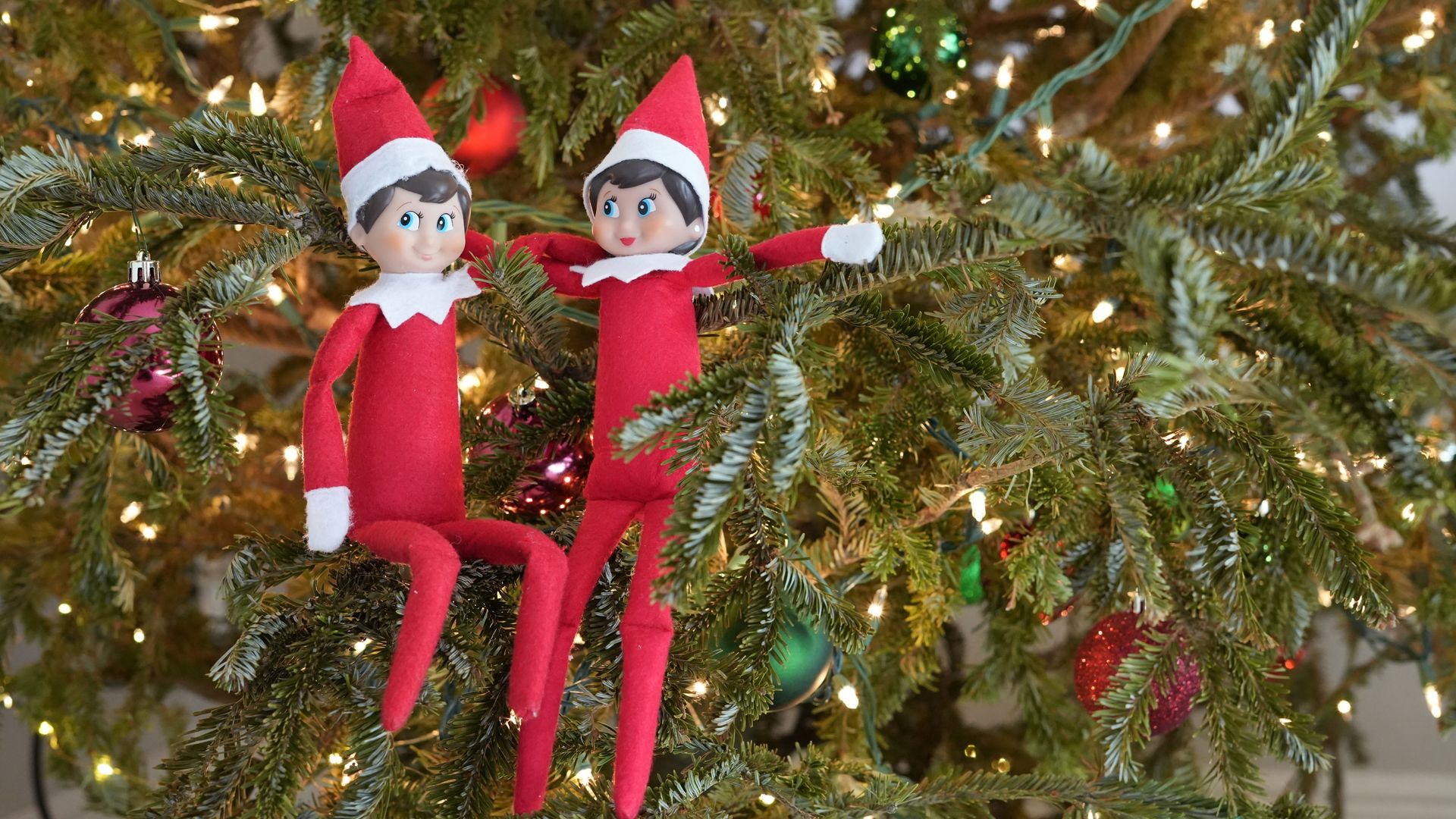

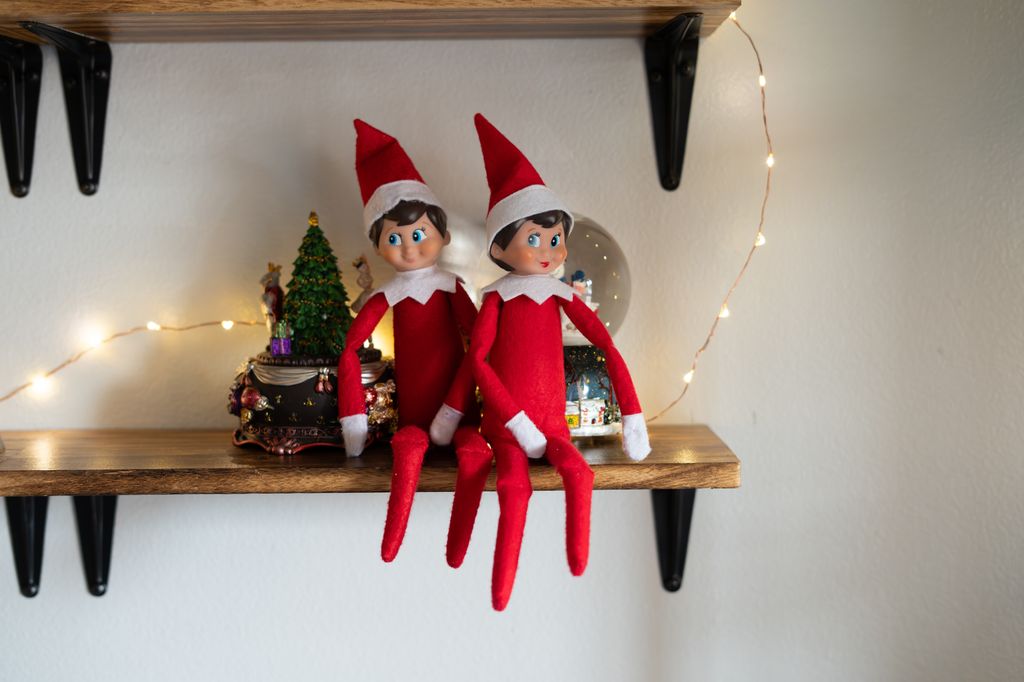
Love it or hate it, the Elf on the Shelf has returned to count down the days to Christmas in households all over the world. Dressed in their signature red and white jumpsuits and adorable Santa hats, the dolls have been causing chaos online as parents struggle to come up with original ideas, and children watch on in awe, waking up to fresh mischief each morning.
The idea behind the red elves came from children's author Carol Aebersold and her daughter Chanda Bell. They based the idea on their own family traditions and devised the concept of the scout elves sent by Santa to "help manage his Nice List by observing children’s behaviour and reporting back to him each night", according to the toy's official website.
However, the idea has since evolved from a watchful eye on the shelf to a chaos-causing elf that causes trouble in the night. Each year, as the festive season rolls around, the elves descend on social media feeds, sending parents into a tailspin as they battle it out to come up with wildly creative ideas.
What started as a cute, funny idea has transformed into a yearly source of unnecessary stress for parents who are now required to create a new scene every morning for the duration of December.
HELLO! asked the experts for their tips and tricks on how to make the elf season less of a headache so you can rediscover the fun in this quirky Christmas tradition.
What are the rules for Elf on the Shelf?
While you can, of course, bend the rules to suit your household and follow your own guidelines when it comes to introducing the elf to your home, there is a set of rules that come with the official book and doll.
The Elf on the Shelf season begins during "Scout Elf Return Week," a window between 24 November and 1 December. It ends when the elf leaves on Christmas Eve to fly back to Santa's workshop.
The rules established by the creators are as follows:
- Never touch the elf: If a human touches the elf, it loses its Christmas magic, meaning that it can't fly back to the North Pole to report back to Santa. Due to the evolving nature of the trend, parents are granted immunity from this rule so they can move him at night.
- The elf must be named: A scout elf only gets its magic once it has been adopted by the family and given its name.
- The elf can only move at night: Every night, the elf flies back to report to Santa on the day's activities and lands in a new spot in the house, prompting the family to play a game of hide-and-seek every morning.
- The elf can't speak: Children are encouraged to whisper their Christmas wishes to the elf, but it won't speak back.
- The elf returns to the North Pole on Christmas Eve: Without fail, on 24 December, the elf officially leaves all households as its job watching over the children for Santa's Nice List is complete.
Many tears are shed during this season as children accidentally touch the elf, causing it to lose its magic. There is a way to restore the magic, however, in three easy steps:
- Write a letter to Santa apologising for touching the elf
- Sprinkle cinnamon next to the elf (it is a vitamin for them)
- Singing a Christmas carol with the entire family
 © Shutterstock / Ana Sha
Mummy influencer-approved tips and tricks
The options are endless when it comes to creating scenes for the elves, but after almost 24 days of repositioning the toy, you'd be forgiven for reaching a bit of an imagination block. It is a big task to come up with new, innovative ideas every evening, on top of actually parenting your children, so we enlisted the help of parenting influencers to see how they manage it.
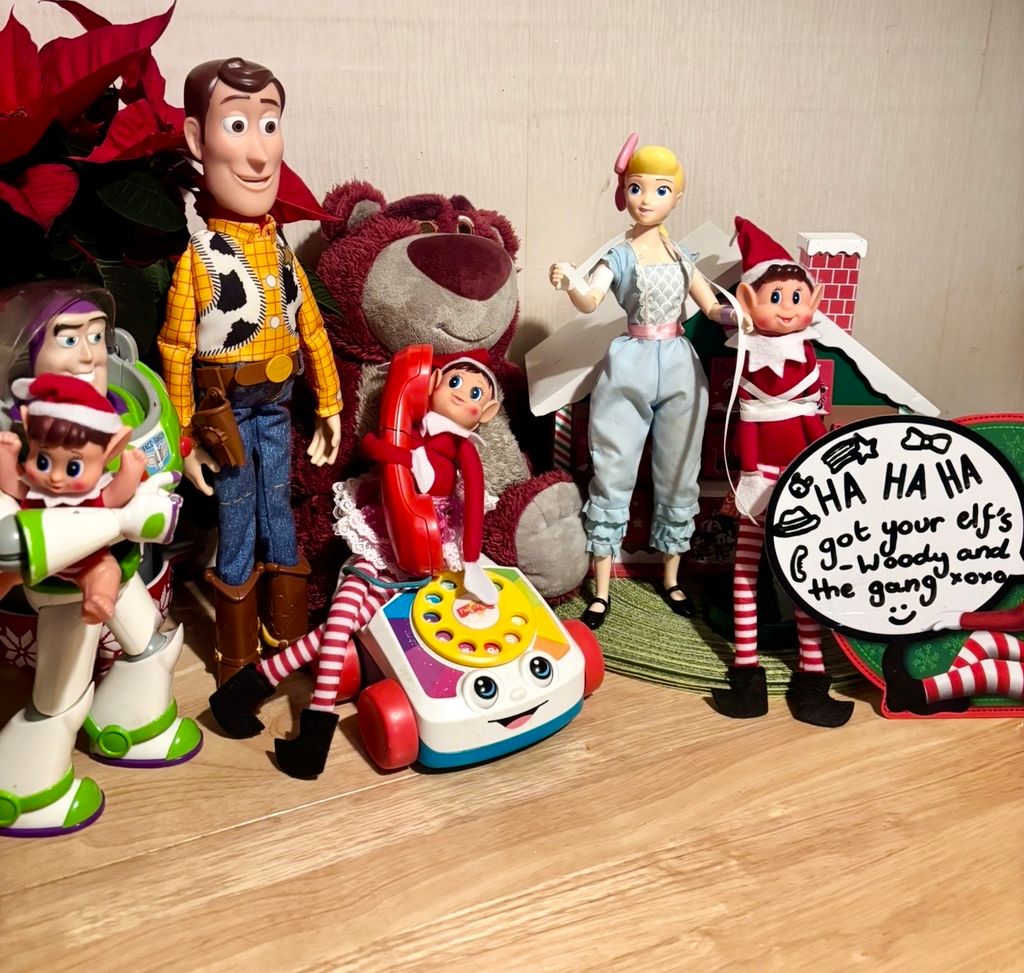
Amy Lambert is an online influencer under the handle brummiemummie_amy and has over 65 thousand followers on Instagram. She regularly shares her elf ideas with her supporters and encourages them to think outside the box.
Amy told HELLO!: "We get a lot of inspiration from TikTok and Instagram, but Abi [her teenage daughter] is so creative, she’s thought of a lot herself. We don’t have a plan for the month; we take each day as it comes, which is a lot of fun."
There are so many ways to keep it simple, including:
- Using some marshmallows for an elf bath
- Using some toy dinos to pull a sleigh for the elves
- Having the elf read a bedtime story to other toys
- Finding a broken TV screen image on YouTube and taping the elf to it, saying 'He flew too fast' and broke the TV
She continued: "There are also loads of ways to be creative without breaking the bank if you have the time. Our favourite has been Elf-Aba and Glind; we used a lot of cardboard boxes to make the Emerald City and Yellow Brick Road, some old doll clothes and bin liners.
"My best advice would be, don’t compare yourself with everyone online, don’t feel the need to be over the top extravagant because whatever you do, your child will adore."
 © @brummiemummie_amy
However, Gail Buckie, influencer at Mumforce, with over 80 thousand followers, reminded parents not to get bogged down by what they see online. She urged parents to remember: "The quickest way to ruin Christmas? Trying to keep up with Instagram parents. Elf shenanigans, curated PJs, £60 Christmas Eve boxes, absolutely not. If a trend stresses you out, bin it.
"Your kids don’t really care, and neither should you. They’re perfectly happy with a few chocolate coins and a parent who isn’t having a mental breakdown while wrapping presents at midnight."
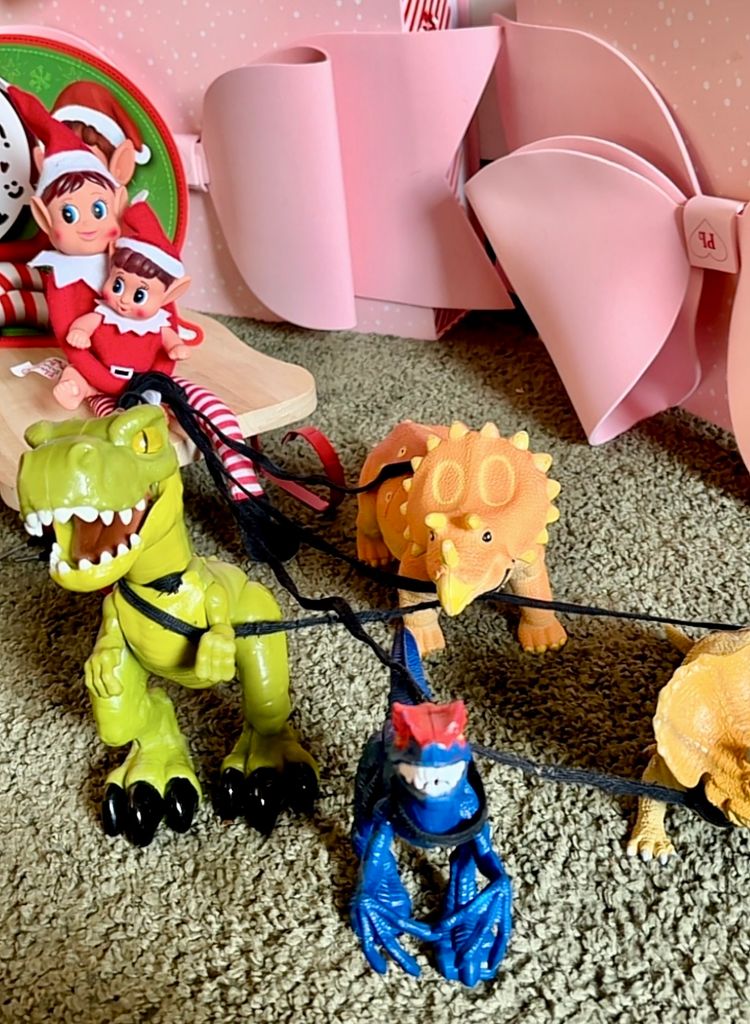 © @brummiemummie_amy
What do the experts think of Elf on the Shelf?
Growing in popularity every year, the mischievous elves are not going anywhere soon, so we asked the experts whether the idea is helpful or a hindrance to your child's development.
Too often, videos of children screaming and crying fly past my For You feeds on TikTok and Instagram, and so we wanted to know whether this trend, which has become a very real obsession for millions of families around the world, is healthy.
HCPC-registered Senior Education and Child Psychologist Dr Sasha Hall, who has over 15 years of experience in the field, broke things down.
She explained: "Simple imaginative traditions like Elf on the Shelf can offer powerful developmental benefits, even though they seem light-hearted on the surface. What we often see is that children engage with these setups at very different stages of understanding."
As a mother herself, she chatted about the elf's arrival in her own home, revealing it wasn't smooth sailing. Dr Hall recalled: "When I introduced Elf on the Shelf at home, my toddler initially took the idea very literally and was unsure. His emotional response reflected his stage of development, where fantasy and reality are still blurred. In contrast, my preschooler immediately understood the symbolic 'magic' of the elf, showing more advanced pretend-play skills and the ability to hold a playful dual awareness of what’s real and what’s not.
"As the days went on, my toddler's confidence grew; he learned through repeated exposure that the elf is safe and fun. That shift alone reflects important emotional development, building reassurance, coping with novelty, and learning through social modelling from his older sibling."
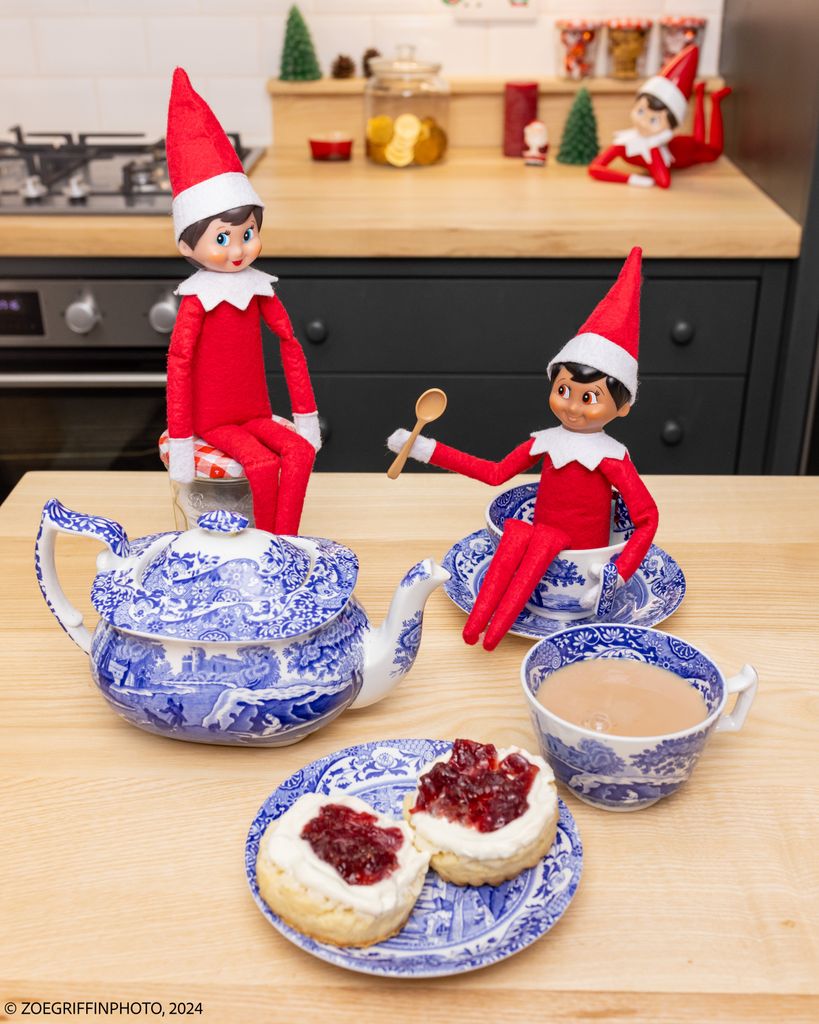 © Elf on the Shelf
Dr Sasha went on to outline the benefits of these types of imaginative trends. She explained: "Cognitively, these setups spark rich problem-solving and language opportunities. When our elf appears wrapped in toilet roll or perched in the Christmas tree, the children naturally start asking questions: 'How did he climb up there?' 'Why is he being cheeky?'
"This kind of wondering supports causal reasoning, perspective-taking, and imaginative thinking. Siblings also begin to co-construct stories together, which boosts narrative skills and social communication."
The expert concluded with a reassuring word for any parents struggling to come up with fresh ideas. "Crucially, none of this requires elaborate preparation. Even the simplest setups invite anticipation, curiosity, and shared moments of joy, three ingredients that strongly support both cognitive growth and emotional connection during the early years," she explained.
Dr Sasha Hall is an HCPC-registered Senior Education and Child Psychologist who has over 15 years of experience in the field and is a mother herself.
 © Emma Pharaoh