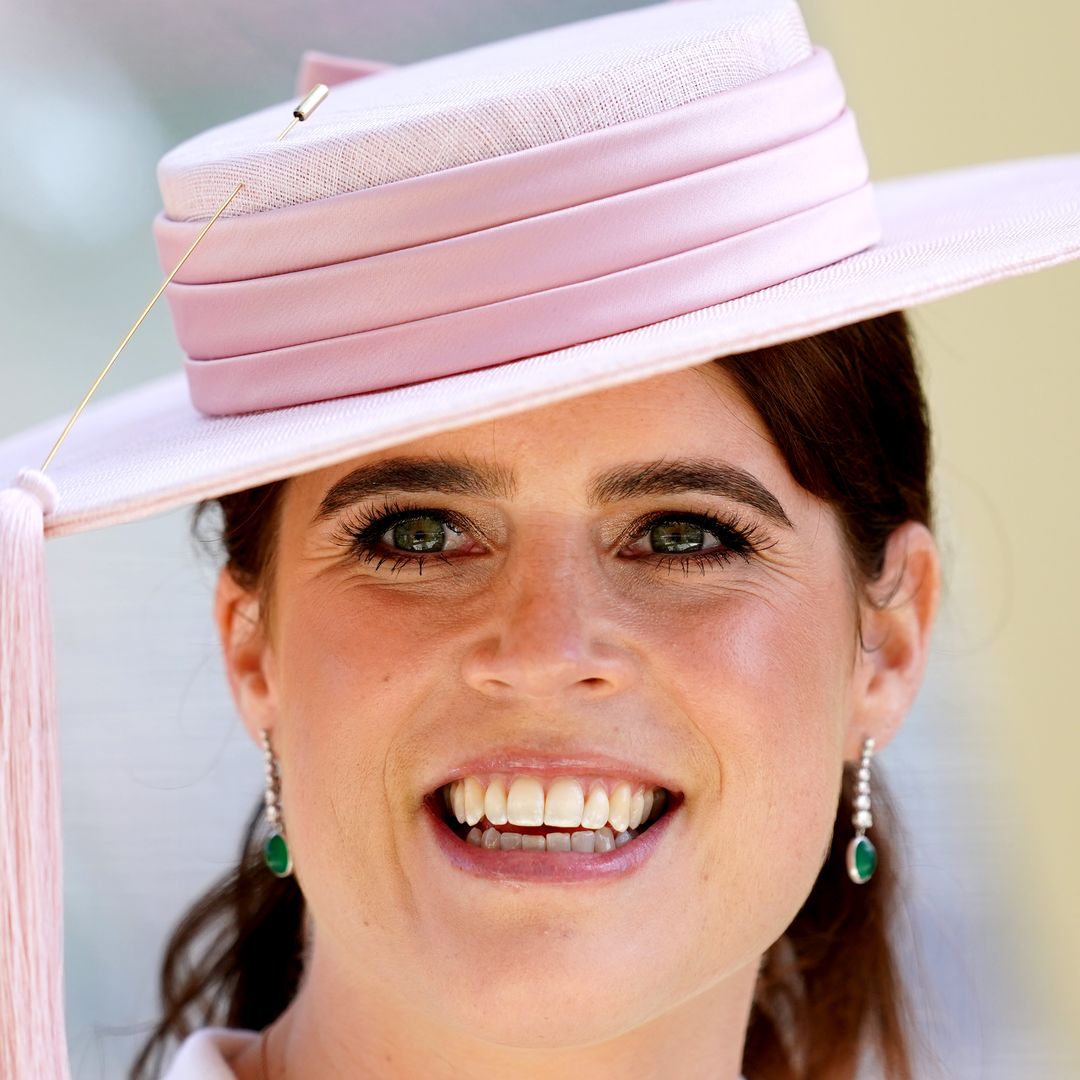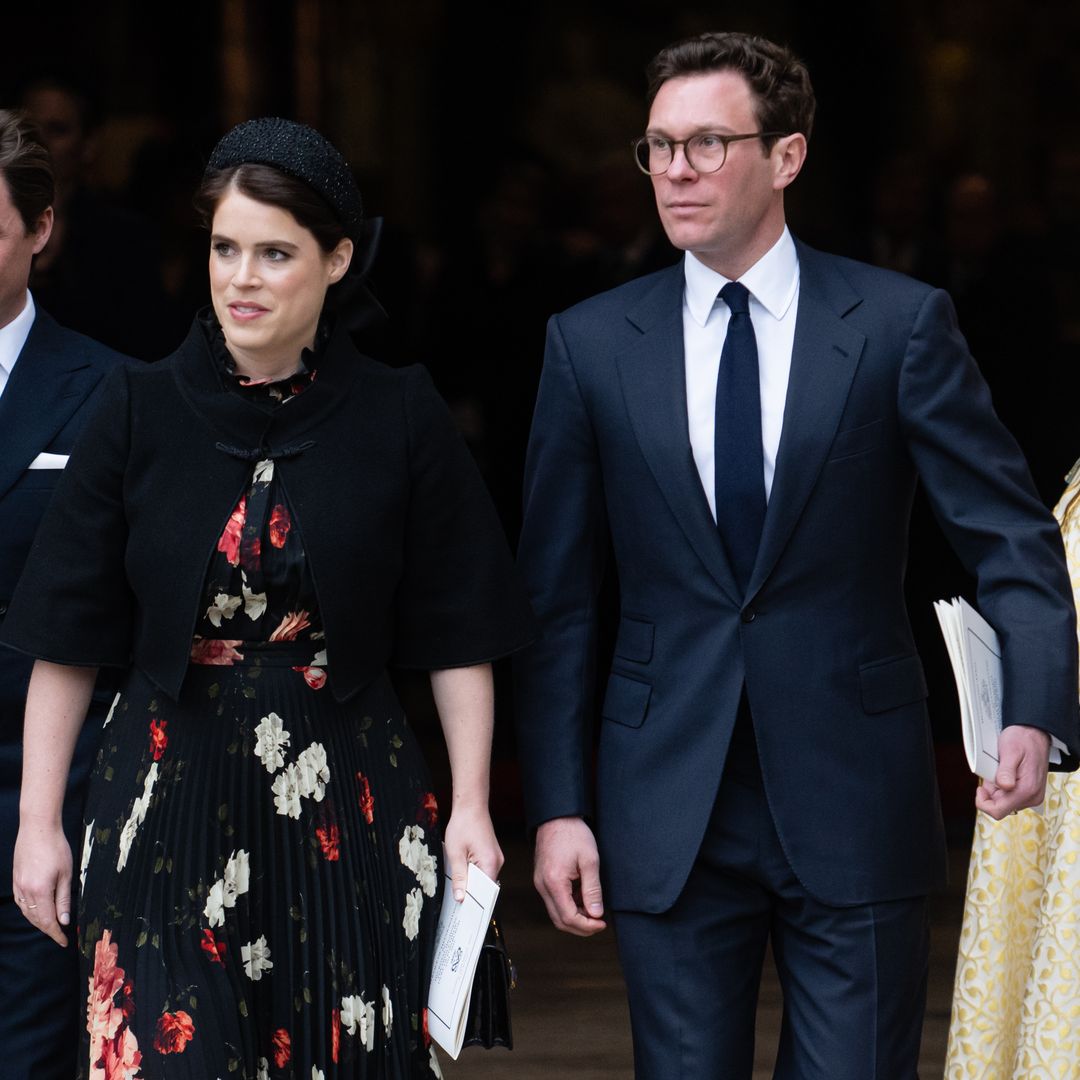
Princess Eugenie delighted fans by announcing she is expecting her third child with her husband, Jack Brooksbank, this summer.
While she comes from a family of four, with her parents, Sarah Ferguson and Andrew Mountbatten-Windsor, having two children, herself and her older sister Princess Beatrice, Eugenie has decided to follow in the footsteps of several other royals by expanding her family.
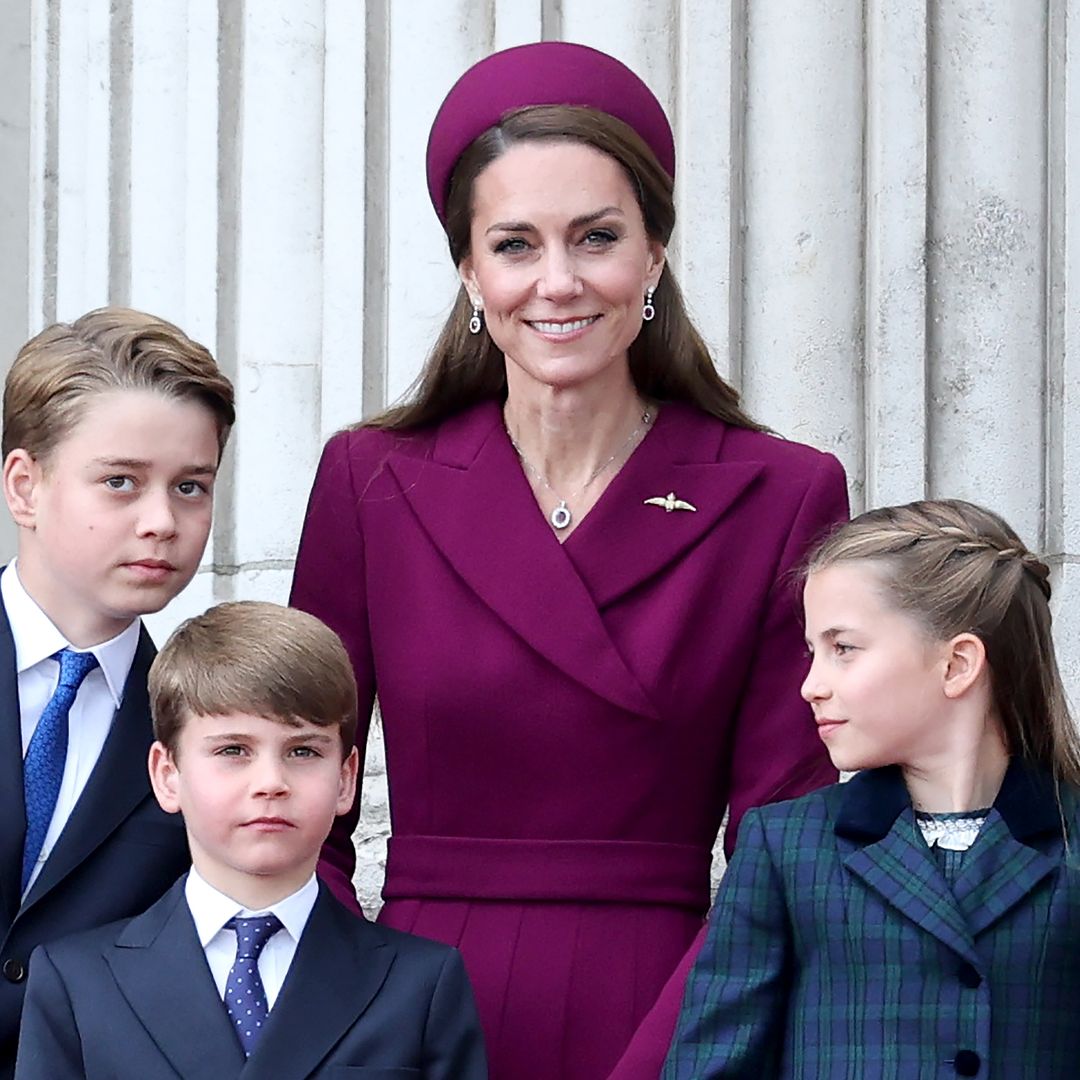
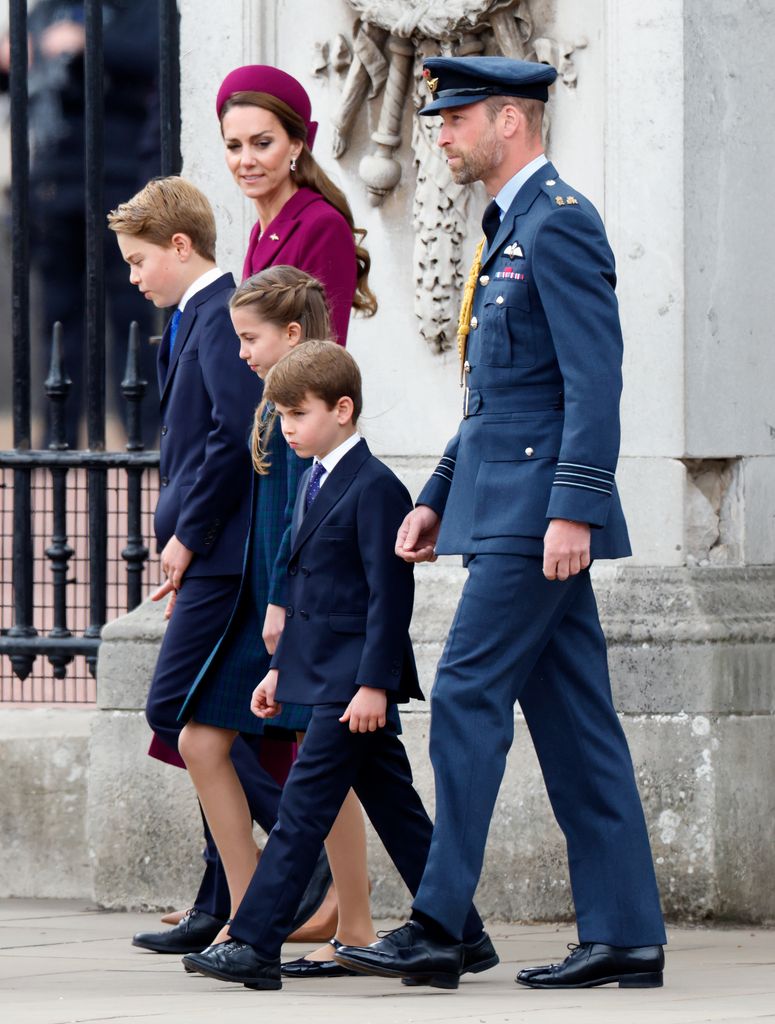
For example, the Prince and Princess of Wales are parents to Prince George, Princess Charlotte and Prince Louis, and Zara and Mike Tindall share Mia, Lena and Lucas. With Eugenie's upcoming birth, we're asking the experts what this new royal parenting formula means for the family and marriage dynamics.
Moving from two to three
 © Instagram
Clinical Psychologist Dr. Michael G. Wetter, who has over 30 years of experience in the field of psychology and mental health, said moving from two to three children is a "major psychological transition" that changes the family balance.
"Once a third child enters the family, many parents begin to feel that the household shifts from manageable organisation to controlled chaos. Psychologically, this can create both stress and emotional growth. Parents are often forced to become more flexible, less perfectionistic, and more accepting that they cannot fully control every aspect of family life," he exclusively told HELLO!.
For parents such as Eugenie and Jack, it can be "more emotionally demanding", with mothers struggling with "emotional depletion and identity strain", while fathers have "increased pressure related to financial stability."
Royal family
However, it poses several positive changes too, especially when looking at the royal family's history. "Some parents report feeling that a three-child household creates a stronger sense of energy, connection, and emotional richness within the family system. There is often a perception that the family feels 'complete' or more dynamic socially," said the Diplomate of the American Board of Professional Psychology.
 © Getty
"In high-profile families such as royals, having three children may also unconsciously reflect themes of legacy, continuity, tradition, and emotional security."
Dr. Anna Elton, a Licensed Marriage and Family Therapist, similarly noted that there could be an element of tradition trickling down through the royal bloodline.
"Having three children may soften the traditional 'heir and spare' dynamic by creating a more emotionally complex sibling system"
"Historically, large royal families were also strategic. High child mortality rates meant families often had many children to ensure the survival of the bloodline. More children also created more opportunities for political alliances, land consolidation, social influence, and dynastic power through marriage. While modern royal families function very differently today, traces of those symbolic ideas around continuity may still remain relevant," she said.
Looking at the family dynamic from a psychological lens, Anna added: "Having three children may soften the traditional 'heir and spare' dynamic by creating a more emotionally complex sibling system, where identity is not divided only between the firstborn and second child."
 © Tim Graham Photo Library via Get
This is particularly applicable to William and Kate's children, who are first in line to the throne, especially when put into perspective alongside William's younger brother Prince Harry's bombshell memoir, claiming he was treated as the 'spare' growing up.
Middle child
When introducing a third child into the family, you are removing the concept of the heir and spare, but introducing the dynamics of the eldest, middle and youngest child.
It has long been assumed that the middle child has less attention from their parents, meaning Lena Tindall, Princess Charlotte and soon Ernest Brooksbank will be put in a "unique emotional position."
Michael explained: "They are neither the first child, who may receive intense parental focus and expectations, nor the youngest child, who may receive more protection or leniency. As a result, middle children frequently develop strong social intelligence, adaptability, negotiation skills, and independence."
While this could cause them to develop a "stronger desire for individuality or validation outside the family," Michael pointed out that it's important to keep in mind that these are stereotypes, and dependent on other factors such as parenting styles.
Marriage impact
 © James Whatling
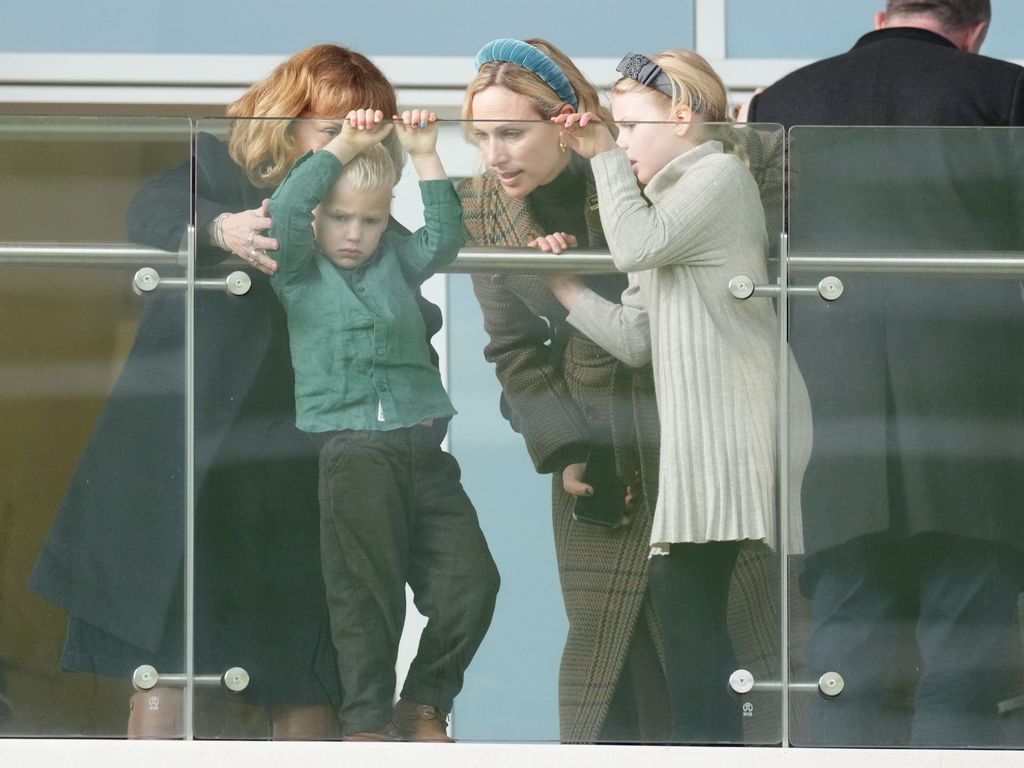
Finally, huge life changes, such as a new baby, will inevitably impact the marriage. Both Michael and Anna noted that couples commonly feel "outnumbered" by their children, leading to a risk of falling into "functional" roles if they don't adapt.
"There is often less uninterrupted couple time, more logistical coordination, and greater dependence on teamwork. Communication can become more functional and task-oriented rather than emotionally intimate. This is one reason why many couples experience increased relational tension during this stage of parenting," Michael said.
He caveated it by adding: "Families that adjust well are usually those where parents accept imperfection and develop a more collaborative mindset rather than trying to maintain rigid control."
When it comes to the notoriously private royal family, many of these struggles happen behind closed doors as they deal with the added pressure of being under public scrutiny.
"Public expectations, traditions surrounding family image, and pressure to project stability can all influence family decisions in ways that differ from the average household. Despite these differences, many of the emotional dynamics remain universal. Parents still grapple with exhaustion, changing identities, relationship strain, and the challenge of making each child feel emotionally seen and valued," Michael concluded.
But judging by the strong partnerships demonstrated by William and Kate and Mike and Zara, it is highly likely that Eugenie and Jack will thrive with their expanding brood.