

Andrew Mountbatten-Windsor's High Court victory in quashing police search warrants might seem like the beginning of a comeback for the royal family's least-loved member.
It's a rare success for a man who has fallen from grace like no other British royal family member in living memory, having lost his titles, his preferred home and even his liberty when arrested on his 66th birthday in February on suspicion of misconduct in public office.
His High Court victory was not a ruling by a judge, but an agreement between the police and Andrew that the search warrants were unlawful. The police do not automatically have to return the evidence, and there will be a further hearing next year to determine whether the police can retain it.
And it follows the cheery story, published in a Sunday newspaper, that he is enjoying a social life of "kitchen suppers" among Norfolk's aristocracy.
But while Andrew, who denies wrongdoing, may take solace in overturning what he views as unjust treatment, it is a blip in his narrative. Regardless of the outcome of Thames Valley Police's investigation, which remains active, history will remember him not as Hercules, but Icarus.
If he is hoping to restore his reputation then he can whistle for it.
It is impossible to overstate how much he is disliked by the British public. In the most recent poll, in July, 2% of people expressed a positive opinion of him against 92% who expressed a negative one. It was a record low for him, or indeed any royal family member since YouGov began its royal polling 15 years ago.
 © Getty Images
Even with this success at the High Court, the best he can hope for is to return to his popularity prior to his arrest in January, when 3% expressed a positive opinion and 90% a negative one. Historic though his arrest was, it barely moved the dial because he was already at rock bottom thanks to public revulsion over his friendship with the convicted child sex offender Jeffrey Epstein.
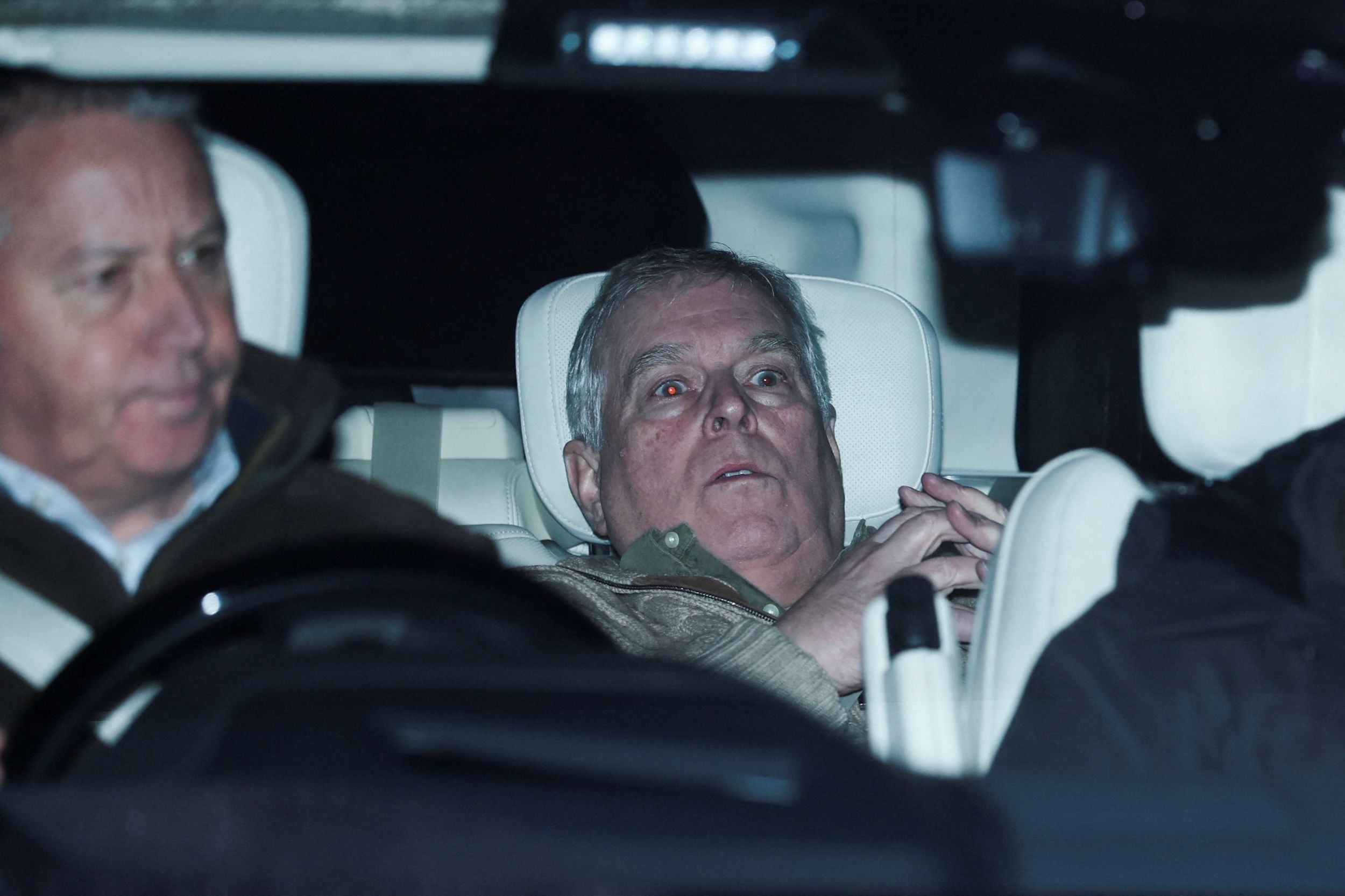
It was a friendship that he said he did not regret, during his 2019 Newsnight interview, only to issue a statement three days later saying that he continued to "unequivocally regret my ill-judged association with Jeffrey Epstein", while simultaneously announcing his exit from royal duties.
 © REUTERS
The public can choose which version it believes.
Andrew continues to deny claims by the late Virginia Giuffre that he had sex with her when she was 17, after being trafficked to Britain by Epstein, and he admitted no liability when he reached a multimillion-pound settlement with her in 2022.
Some people can overcome ignominy, but the problem for Andrew is the depth of feeling. Of the 90% who hold a negative view, 83% described it as "very negative".
It would be understandable if Andrew didn't care about public opinion, but ultimately it is the key to the loss of his privileges. His brother would risk bringing the monarchy into disrepute if he were to restore Andrew's former titles, and there isn't a bargepole long enough that charities would consider touching him with.
So we should see this High Court success not as a strategic move, but a victory that affects only his sense of justice and pride.


