
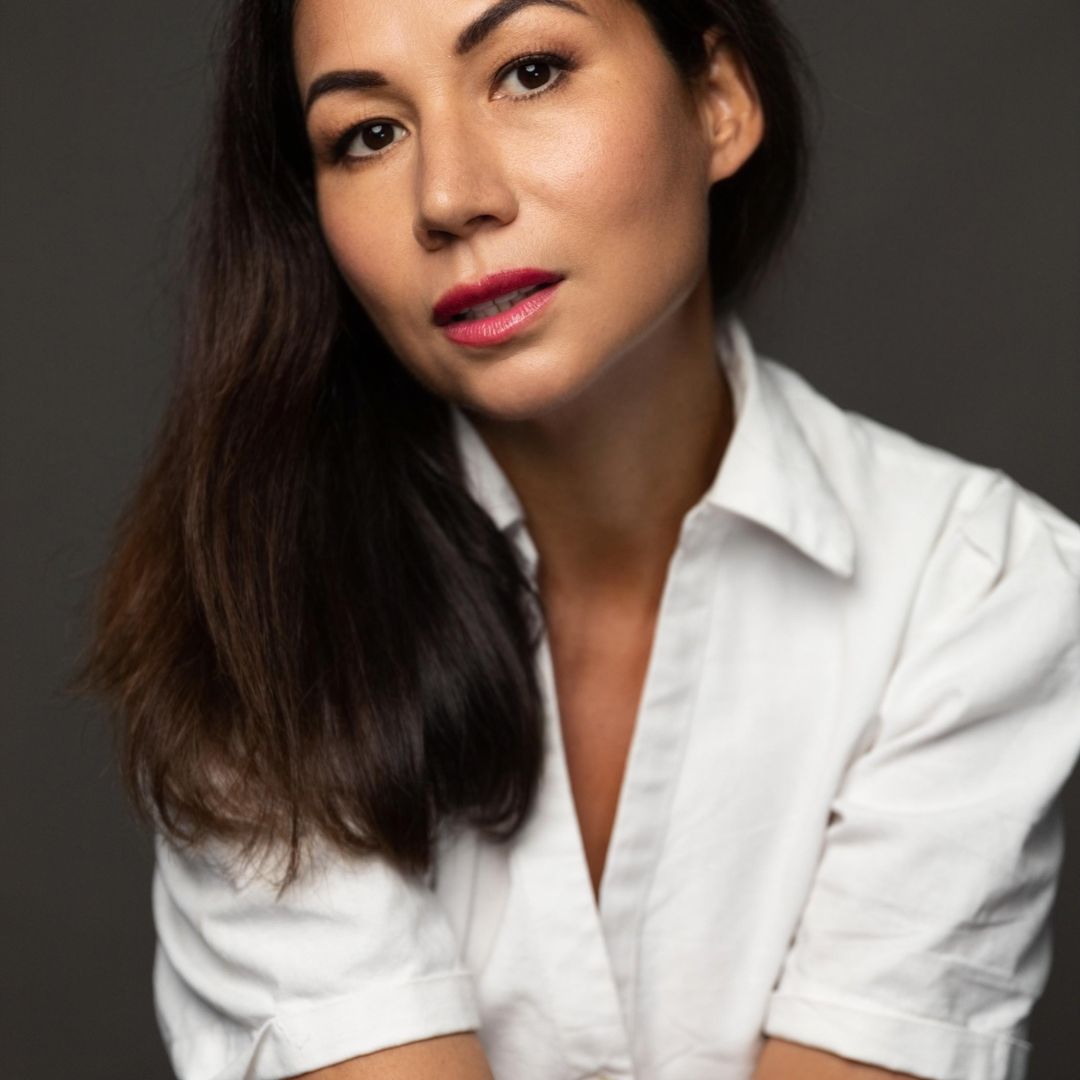
This is Us star Chrissy Metz's relationship with her body over the years has been defined by scrutiny, self-doubt and a changing perspective on the meaning of healthy living.
From being placed on a weight-loss program as a child to finding confidence through her TV role, the 45-year-old has been candid about the highs and lows of her health journey. Join HELLO! as we take a look back at Chrissy's incredible journey, from her childhood struggles to her new era of self-love.
1/5

A tough childhood
Chrissy's childhood was far from easy, and she was forced to become aware of her body at an early age.
"I’ve been chubby all my life," she told The Hollywood Reporter. "As I got older at different times in my life, I was thinner or more active or playing sports, but I was definitely always a chubbier kid."
"My friends could eat whatever they wanted to, but I knew that as a kid if I ate certain things I would totally gain weight," she continued. "I had to be really cognizant of what I ate." The actress revealed that she went on the Weight Watchers program at just 11 years old.
Chrissy's stepfather also contributed to her insecurities and would allegedly criticize her weight, threaten to lock the fridge and even reportedly "hit" the body parts that "offended him", leading her to hide her eating and find solace in food, as she wrote in her memoir, This Is Me.
2/5
 © Getty Images
Embarking on her health journey
In adulthood, Chrissy's weight fluctuated dramatically along with her mental health, but it wasn't until her 30th birthday that things hit a breaking point.
The star began to have a panic attack ahead of her party, and after taking herself to hospital, she decided to make her mental and physical health a priority.
"I was so gung ho, I lost 100 lbs in less than five months," she told People. "All I did was eat a 2,000-calorie diet and walk 20 minutes a day."
3/5
 © NBCU Photo Bank/NBCUniversal via
Finding fame
Chrissy became a household name in 2016 when she landed the role of Kate in the hit series This Is Us, a part which helped her work through her own health struggles.
"You have to use what you have, and I wouldn't have this role if I had already lost weight," she told People. "Now it's about telling a story of a woman struggling with her weight, just as I have and still am."
Her role as a plus-sized woman brought invaluable visibility to the issue of fatphobia, and helped countless women on their self-love journeys.
4/5
 © Getty Images
Reframing the narrative
In recent years, Chrissy has learned to reframe her health goals and stop caring about the opinions of others.
"What I love about this age is that mostly, I really don't care what people think about me!" she told HELLO!
"You realize that people's opinions really don't matter at all. And you do what makes you happy and what fulfills you – and not because someone thinks that you should or shouldn't do something. You are just not really caring."
5/5
 © Bruce Glikas/Getty Images
Her experience with GLP-1s
Chrissy turned to GLP-1 medication to aid her weight loss journey in 2026, and shared that she had lost 63 lbs since starting on the drug, which is typically given to diabetes patients to regulate blood sugar and appetite.
"I'm not getting any younger. I'm in perimenopause, and there were obesity issues within my family and with my father, and I felt like I've tried so many modalities, whether it was diets or therapy, and none of it really worked for me," she explained to People.
"It's been helping me be more mobile and have less joint pain and inflammation, and run around onstage, and just do things that would have been much more difficult several pounds and inches ago," she added.
Chrissy dealt with backlash after revealing that she was taking a GLP-1, but shared with Us Weekly that she had tuned out the noise and was focused on her own journey.
"People are going to criticize you no matter what you do, no matter what you say, how you dress, what you look like – thin, overweight, mid-size, whatever," she said. "Somebody's always going to have something to say, and that's okay. They're entitled to their opinions."
"I was like, 'I'm never going to take one of these things.' And I realized, 'Oh, it could be super beneficial,' and it has been," she said of her change of heart.
"I think the most empowering [aspect] is that I really am doing it for myself, and I've taken it upon myself to do the research, to really do it right and do it well, and that to me is empowering."


