

An Oscar win is the stuff of dreams for actors, filmmakers and directors worldwide, but the so-called 'Oscar Curse' can often spell disaster for the celebs who do take home an Academy Award. Read on to see whose careers took a hit after taking home the golden trophy...
 © WireImage via Getty Images
Michael won Best Director but Heaven's Gate spelled disaster for his career
Michael Cimino
Famed director Michael Cimino won Best Director for 1978 drama The Deer Hunter, starring Christopher Walken and Meryl Streep. The feature earned five Academy Awards for Best Picture, Best Film Editing and Best Sound, as well as earning Tom Best Director and Christopher Best Actor in a Supporting Role, from nine nominations.
Unfortunately, this star success didn't last long. United Artists gave Michael full creative control and a starting budget of $11 million for Western epic Heaven's Gate (1980). But the director ended up spending four times his initial funding – the equivalent of more than $170 million today – and the film's box office return failed to add up. It grossed $3.5 million and bankrupted United Artists.
 © Getty Images
Tom Hooper's work on The King's Speech was derailed by Cats
Tom Hooper
With Colin Firth and Geoffrey Rush in leading roles and Tom Hooper in the director's chair, it's no wonder The King's Speech (2010) is still regarded as one of historical cinema's best hits, taking home the Academy Award for Best Director. With an additional nomination for his work on Les Misérables, Tom had built enough industry trust for a $100 million budget.
The project? Adapting Andrew Lloyd Webber's musical Cats – a now infamous disaster. Released in 2019, the film's unsettling CGI fur and recognisably human cast of celebrity actors resulted in a net loss of $114 million for Universal Pictures.
 © Getty Images
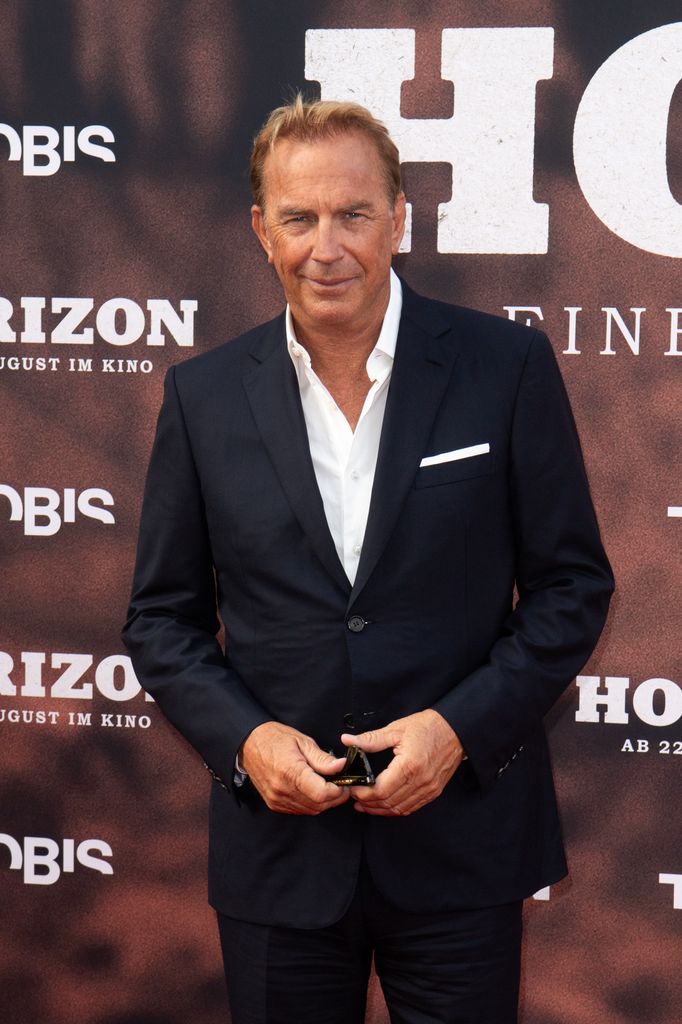
Kevin's stardom stopped short thanks to 1997 feature The Postman
Kevin Costner
Dances With Wolves proved that '90s star Kevin Costner had the magic touch as an actor and as a director, taking home two Academy Awards for the 1990 feature film. He followed it up with Westworld which managed to break even, but his 1997 feature proved the final nail in the coffin.
The Postman had a budget of $80 million but wasn't received well by critics and garnered just $17 million domestically spelling disaster for Kevin as a formerly reliable box office pull.
 © Getty Images
Andrew's animation skill didn't translate to live action blockbuster success
Andrew Stanton
Filmmaker and animator Andrew Stanton earned Pixar critical acclaim with Best Picture wins for both Wall-E and Finding Nemo. After building such a successful run in the animation studio, it seemed only natural that Disney would give Andrew even more creative freedom in the world of live action.
Sadly, this career shift didn't pan out as the studio hoped. The 2012 feature John Carter, based on Edgar Rice Burroughs' novel series John Carter of Mars, ended up costing more than $250 million and spelled 'The End' for Andrew's live-action directorial career.
 © NBCUniversal via Getty Images
Geena Davis' pirate flop Cutthroat Island put her leading lady reputation on pause
Geena Davis
Geena Davis was a Hollywood darling during the '80s, taking home an Oscar win for Best Supporting Actor for The Accidental Tourist (1988). With another nomination for Thelma & Louise, it seemed her star was set to rise time and again, but the 1995 flop Cutthroat Island put a firm stop to that.
The actress enlisted her then-husband Renny Harlin as director on the pirate blockbuster, but nothing seemed to go according to plan and the budget ballooned, reaching just under the $100 million mark. With a box office earning of $10 million, it was a definitive dud and even held a place in the Guinness World Record book as the largest financial loss in film history.
 © AFP via Getty Images
Roberto's turn as a fairytale character spelled disaster for his career
Roberto Benigni
The 1998 dramedy Life is Beautiful made Roberto Benigni a star of the silver screen, earning him an Oscar for Best Actor. But four years later, the then-50-year-old Roberto decided to play the titular puppet boy Pinocchio in the live-action project he wrote, directed and starred in.
The film cost $40 million to make and garnered a 0% approval rating on Rotten Tomatoes, destroying the Italian filmmaker's hopes of an international career overnight.


