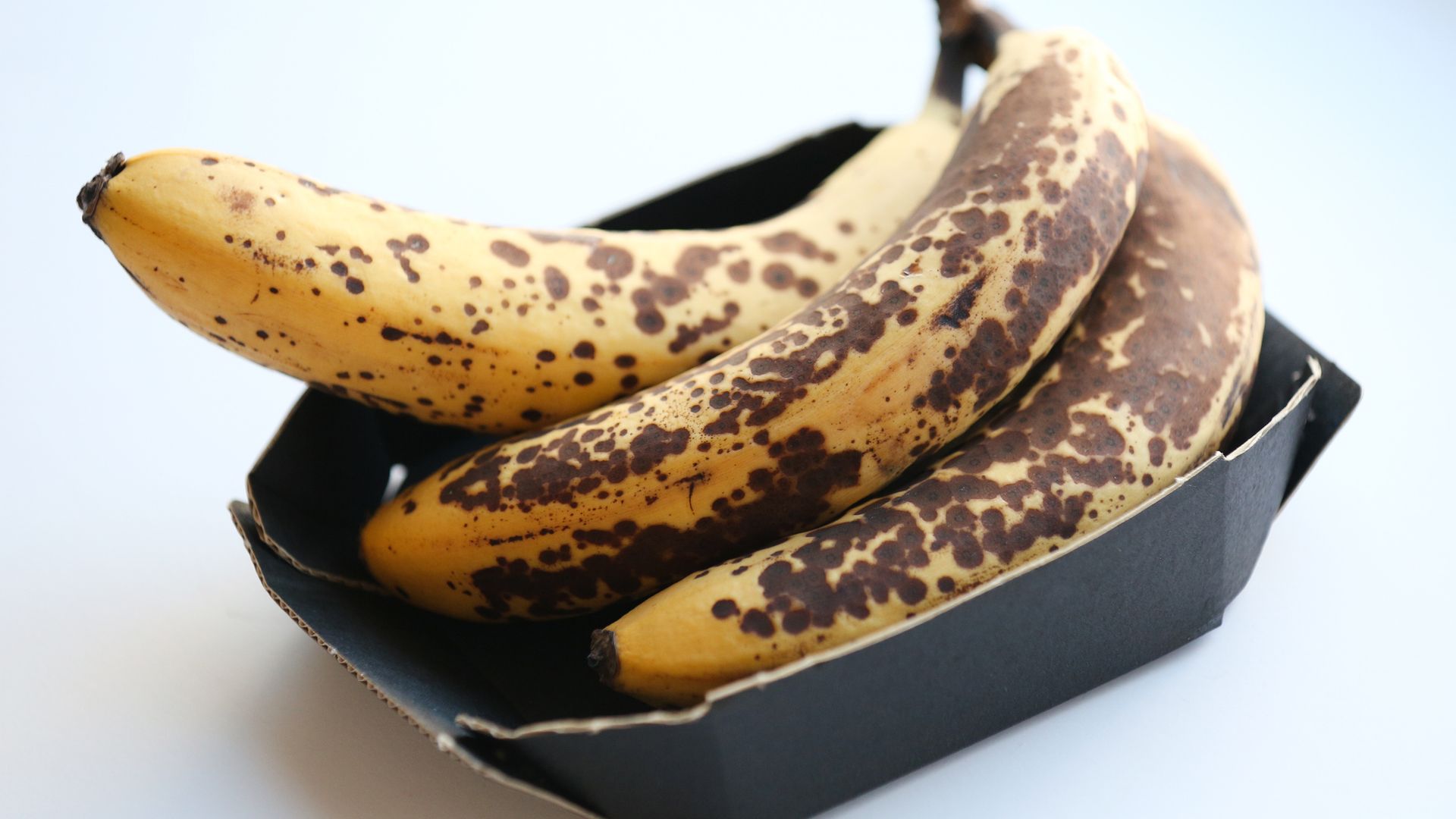

Many of us are throwing away too much food, and bananas are one of the worst culprits for food waste, with one 2017 study showing that British families throw away 1.4 million bananas every day that are perfectly good to eat. One common reason that bananas get thrown away is that they are starting to brown or look bruised, but the way you store bananas can keep them fresher for longer and prevent unnecessary food waste. As a nutrition coach, I'm here to share the science behind why bananas go brown and how to keep them fresh for longer.
Why do bananas go brown?
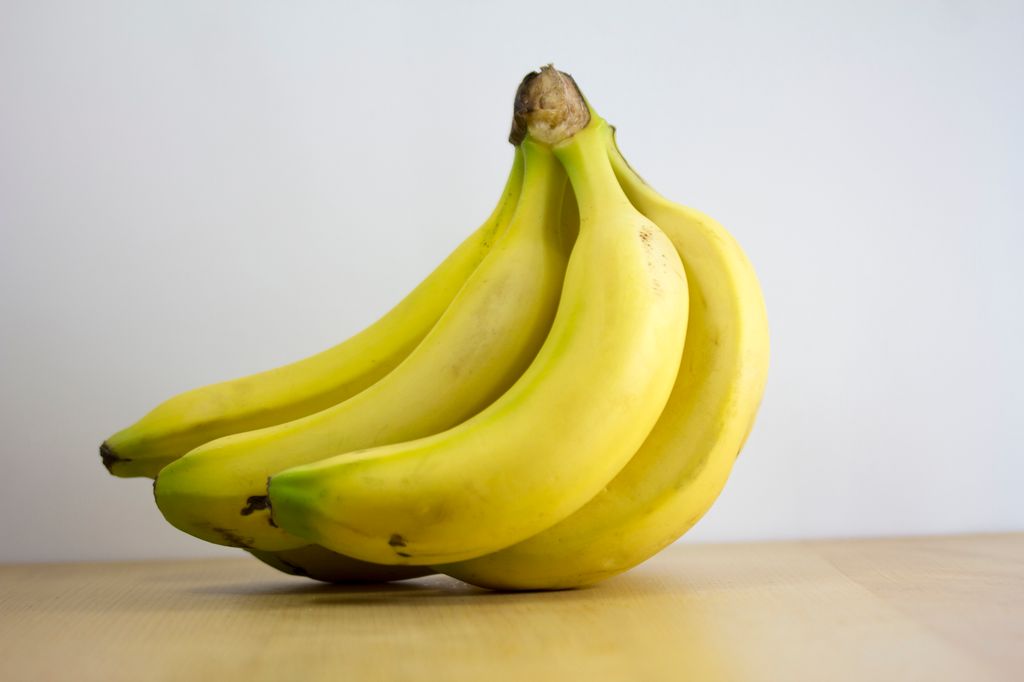
As part of the ripening process, bananas produce and react with ethylene gas, which is what ripens fruit so it becomes softer and tastier to eat. The reaction with ethylene gas is what makes bananas first turn from a greenish hue to yellow, and then eventually develop brown spots. As the ethylene levels build up the bananas will continue to turn more brown and get softer.
 © Getty Images
Brown spots are also observed on bananas when they are bruised. Damaged bananas produce even more ethylene, which is why they may then turn brown much quicker.
How to make bananas fresher for longer
The key to keeping bananas fresher for longer is in how you store them. Firstly, if you've bought bananas in any plastic or paper packaging, it is best to remove them so the gas doesn't build up and cause the fruit to ripen more quickly.
Secondly, it may not be the best idea to keep bananas in a fruit bowl, as the ethylene gas released from the other fruits can also contribute to the bananas turning brown more quickly. Instead, it is recommended to store bananas separately in a cool, dark place, and away from any heat sources such as the oven or air fryer.
Some experts advise wrapping the stem of your bananas in foil or cling film to slow down the ripening process. The stem is where ethylene gas is released from, so covering this can trap the gas and prevent the bananas from turning brown as fast. Doing this may even extend the life of your bananas for anywhere between ten to 14 days.
Is it safe to eat brown bananas?
Brown bananas are typically safe to eat, but they may not be to everyone's preference as they will be softer and sweeter. To avoid waste, these bananas are good for baking to add natural sweetness to cakes without lots of added sugars.
Before eating a brown banana, first look out for any signs of mould, check if the banana is overly mushy or leaking liquid, or has an unpleasant odour. If so, it is best to avoid eating it and throw it away.