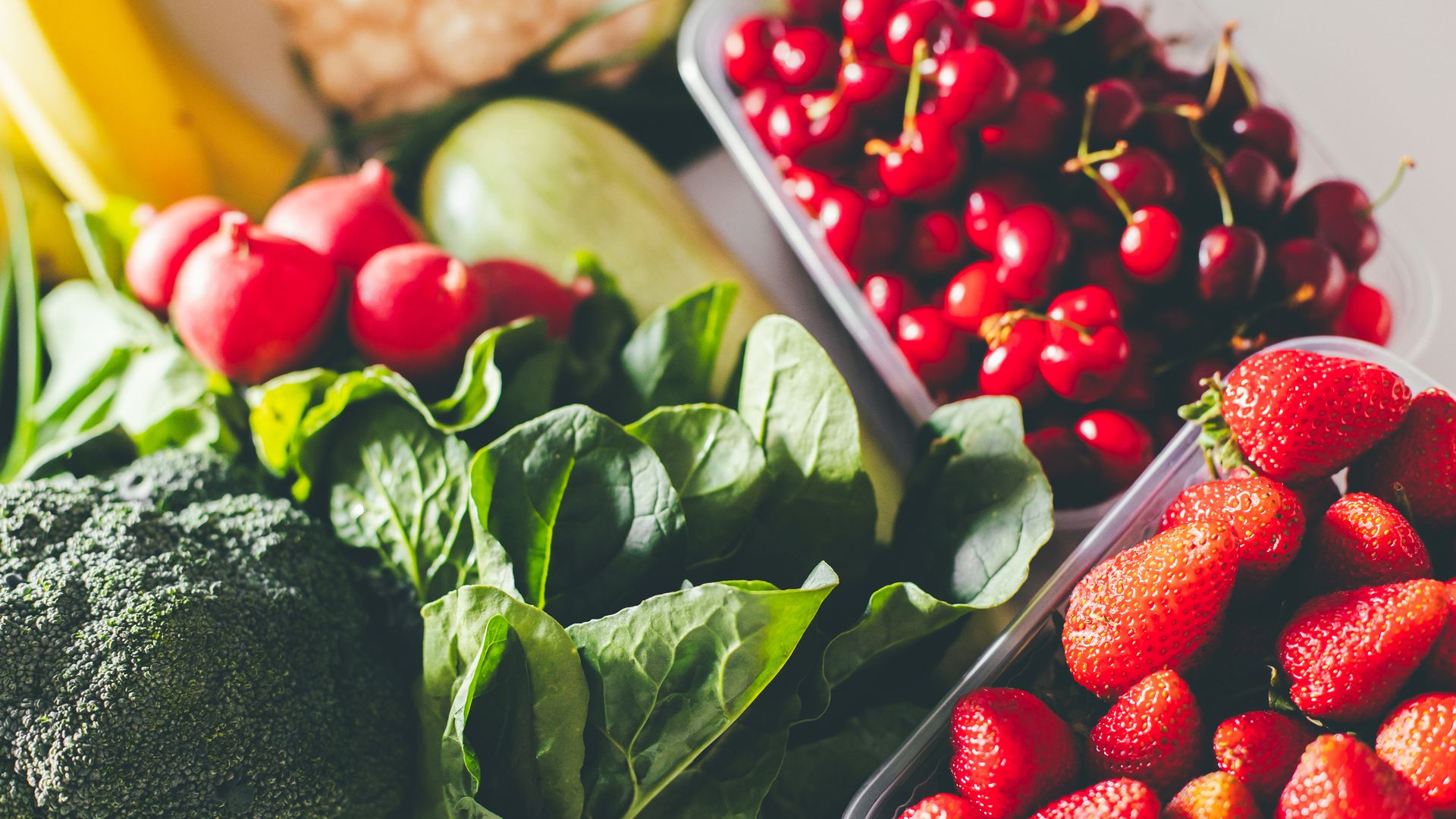

I've inherited many things from my mother, one of which is a sincere upset at food waste. Is there anything more frustrating than fresh fruit and vegetables spoiling before you get the chance to use them? Fortunately, there are plenty of hacks that are great for keeping produce fresher for longer, so you get the most out of your weekly shop, nutritionally and financially. I'm not ashamed to admit that my TikTok algorithm is full of this kind of content, so if you're anything like me and love a good tip when it comes to nutrition, click through the gallery to see the best hacks to keep your fridge full and thriving...
 © Getty Images
Resist the temptation to chop
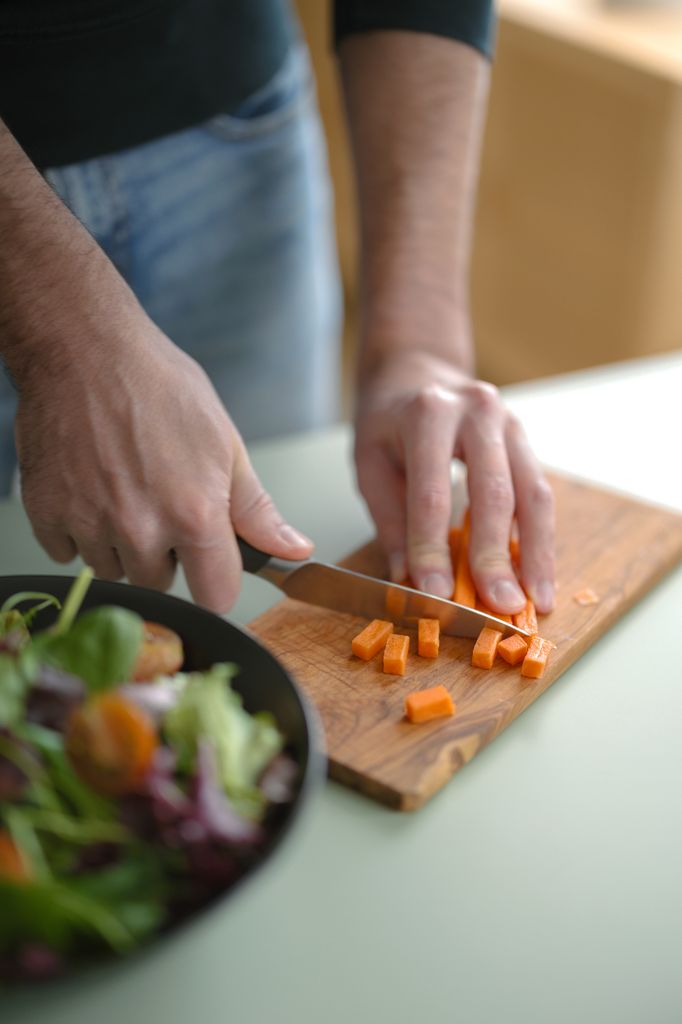
There are lots of online tips that suggest chopping fruit and veg like apples, carrots, courgettes, cucumbers, etc. and submerging them in water will keep them full of moisture and fresher for longer; however, according to experts and BBC Good Food, the best thing is to keep them whole. "Scientifically, this doesn't quite hold up. Peeling or cutting carrots actually breaks the cell wall, which reduces the amount of nutrients you'll get when eating them – not very appealing!" they explain.
"A better option would be to store the carrots whole in the fridge. If they do go soft, they can be revived by placing them in water for a short time with the top and end removed, before preparing them for cooking or eating."
 © Getty Images
Herb pots
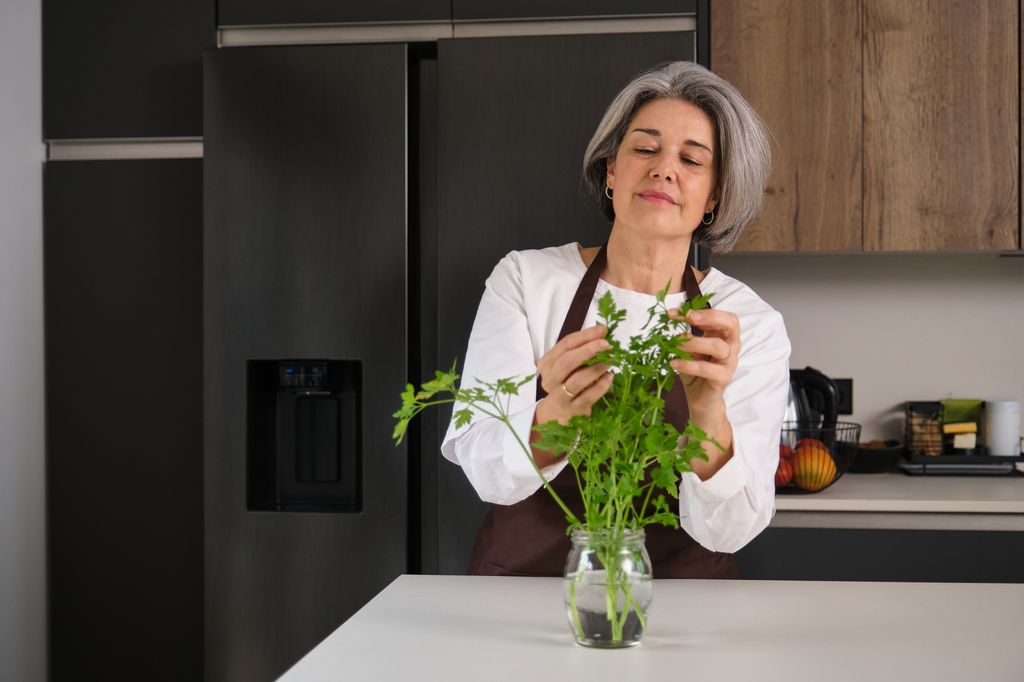
When it comes to herbs, I'm guilty of buying a bunch of basil, for example, only for it to wilt before I get through the whole thing. The best thing to do for herbs that have strong stalks is to put them in a pot of water in the fridge and cover with a plastic bag; your herbs will last and stay fresh for much longer.
Another hack that I find to be particularly helpful is chopping up herbs that you don't think you'll use fresh anytime soon and separating them into ice cube trays, before submerging them in water and popping them in the freezer. Then, when making a soup or a stew, for example, you just throw in however many cubes of herbs you need. This also works well with homemade pesto, and also citrus fruits for an ice-cold G&T!
 © Getty Images
Embrace your freezer
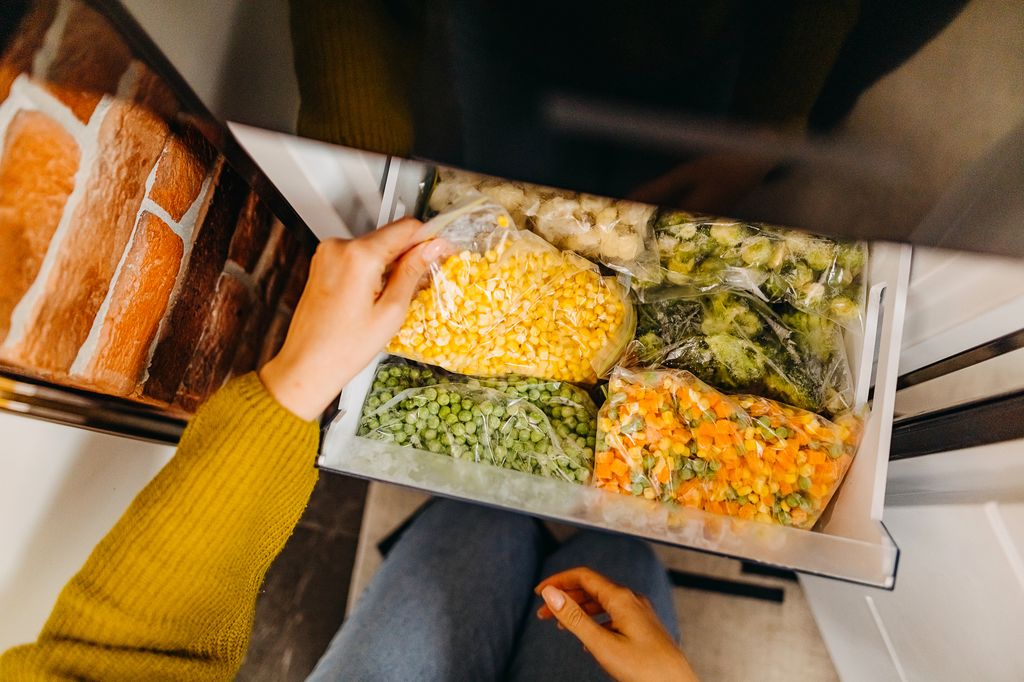
Speaking of the freezer, some people prefer not to buy frozen veg because they wish to use fresh initially. In this case, it just takes a bit of planning. For example, I'll buy fresh onions and broccoli, use half the amount fresh, then chop up and freeze the remaining half, so when it comes to the latter half of the week, I still have some leftover after enjoying them fresh to begin with.
Rhiannon Lambert, a registered nutritionist, agrees and previously told HELLO!: "You don't need to spend so much money, you need to get savvy, and that means if you are going to buy fresh product, freeze it straight away, bulk cook."
I've got into a habit of chopping a healthy-sized bunch of fresh onions, carrots and celery, before combining them into one reusable bag and throwing them in my freezer drawer. This combination, an Italian soffitto, is the basis for many vegetable soups, pasta sauces, etc., so it's a mix that I often use. It is also a huge time saver when it comes to cooking, as I grab a handful of the frozen mix and throw it into the pan.

Keep canned foods in their liquid
Canned foods like sweetcorn, lentils and beans make a versatile cooking ingredient - but they don't stay fresh for long once you've opened the can. After you've opened your canned food, don't dispose of the liquid or brine. Instead, transfer it to an airtight container with the food itself. This will help in preserving the food for longer as well as maintaining its taste and texture.
These glass Kilner jars will not only help to keep your fridge shelves looking streamlined, but they'll also maintain the freshness of your canned food until you're ready to cook with it again.
 © Getty Images
Keep salad leaves crisp
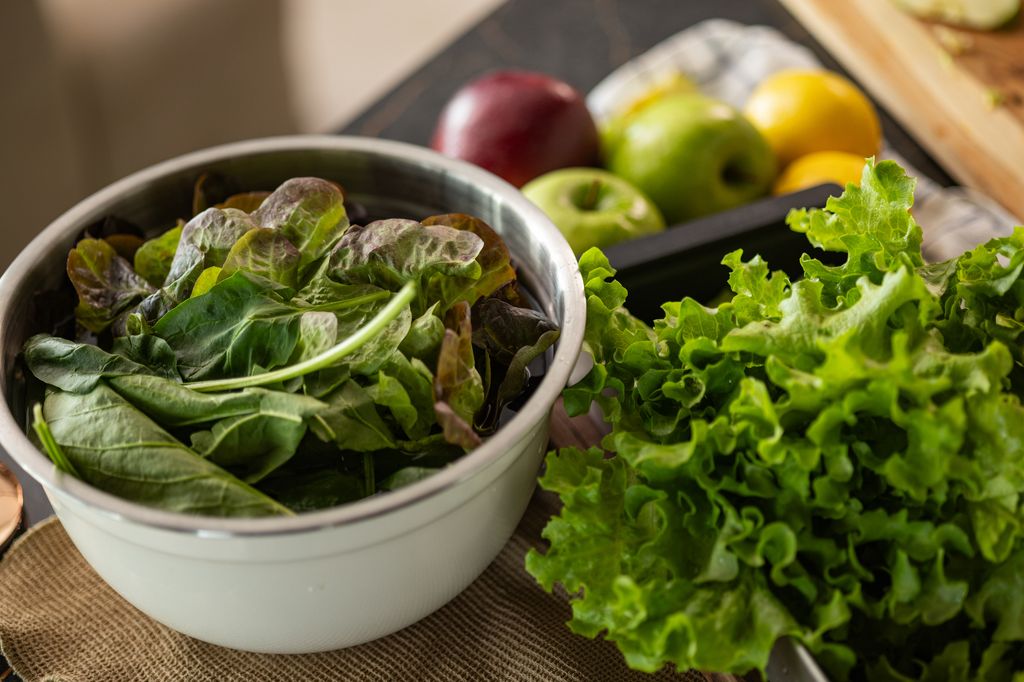
Nobody wants a soggy salad. To keep salad leaves fresh and crisp for longer, one method is removing them from the salad bag that they're packaged in by manufacturers and placing them into a reusable bag with a sheet of paper towel at the bottom of the bag and keeping them in a fridge drawer. This will mean that the leaves don't overabsorb too much moisture and go soggy too quickly.
Keep potatoes and onions ventilated
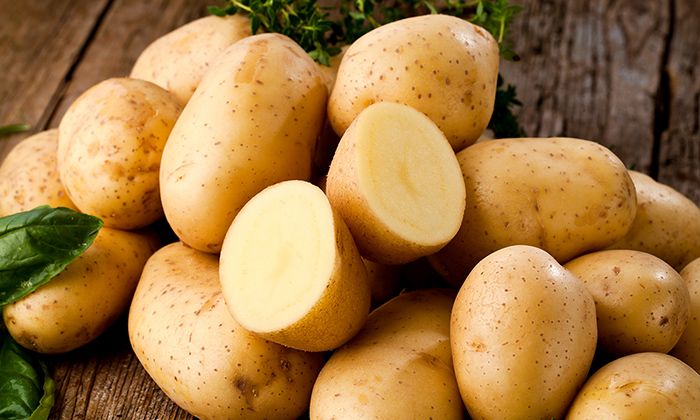
Contrary to popular belief, potatoes and onions need ventilation, rather than darkness to stop them from sprouting. Instead of piling your potatoes in a dark cupboard (we've all been there), store your root vegetables in a mesh or breathable bag to prevent moisture build-up.
 © Getty Images
Veggie wraps
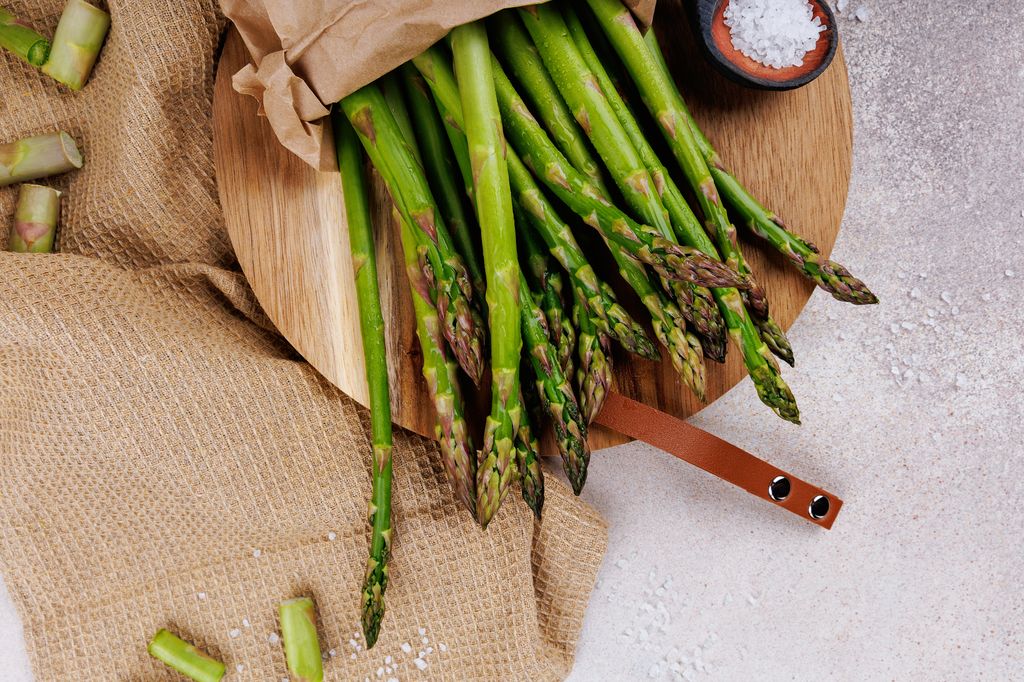
Similar to herbs, some veggies last longer when they have some added moisture. Things like asparagus can stay fresh and crunchy for a long time if you wrap the bottom half of the stems with a damp paper towel.
 © Getty Images
Timing is everything
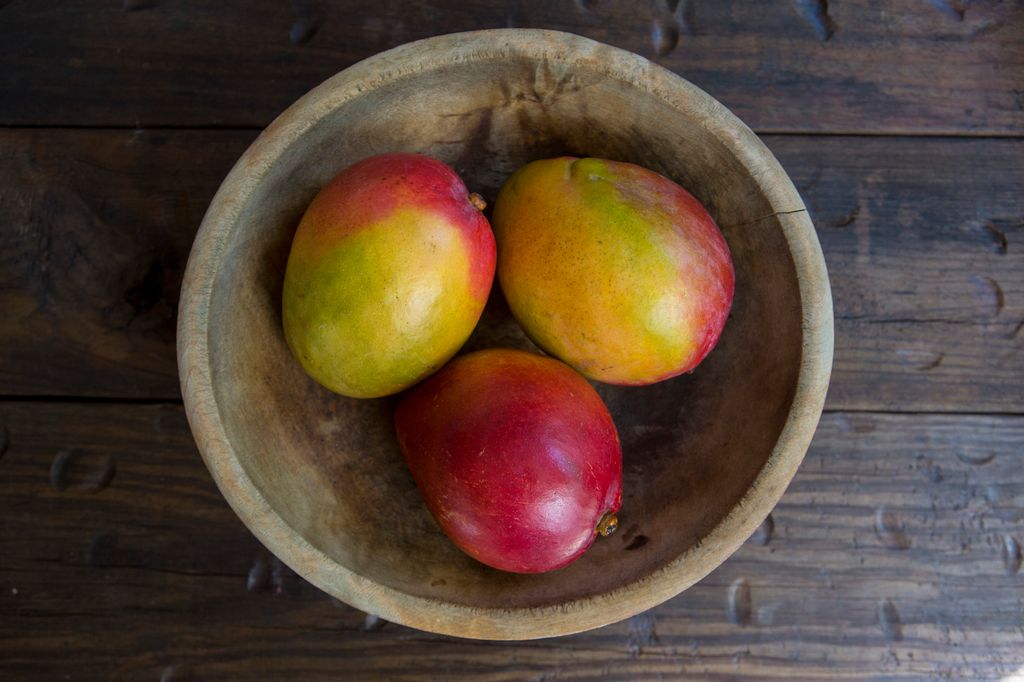
It's important to consider timing, especially when it comes to stone fruits and vegetables. For example, if you buy avocados, mangos, nectarines, or even seeded fruits like tomatoes before they're ripe, keep them away from the fridge as they will ripen properly at room temperature. Then, once they are ripe, move them into the fridge to sustain their freshness for longer.
 © Getty Images
Know when to separate
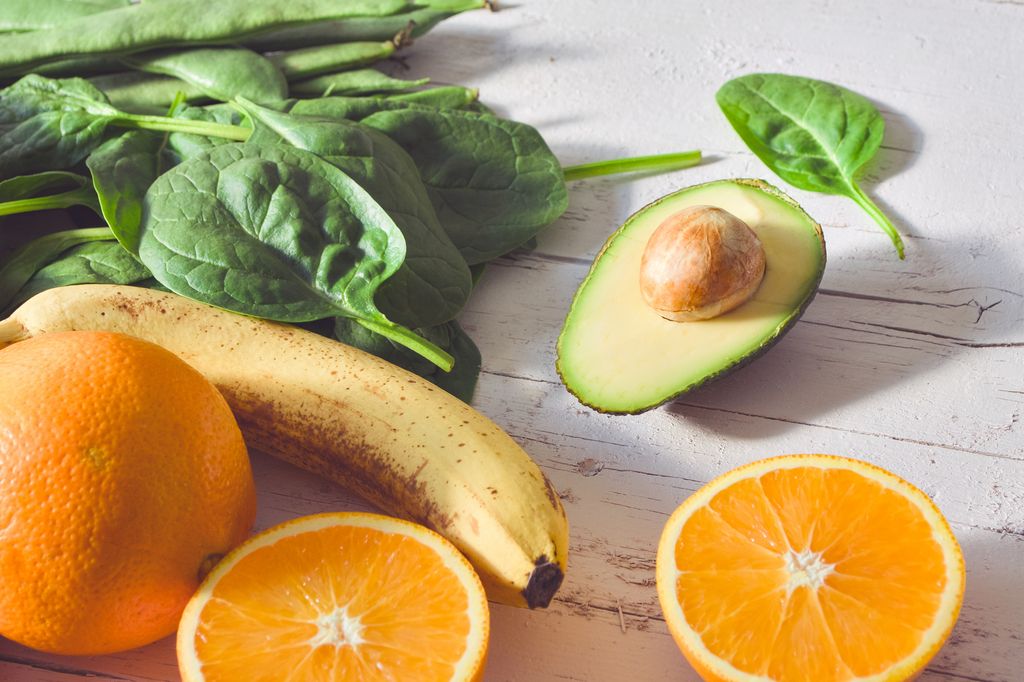
Speaking of certain fruits, be wary of where you place them. For example, placing avocados next to bananas is great to begin with if you want to speed up the ripening process, but remember to separate them afterwards, as the avocados can turn the other way and spoil.
 © Getty Images
Berries
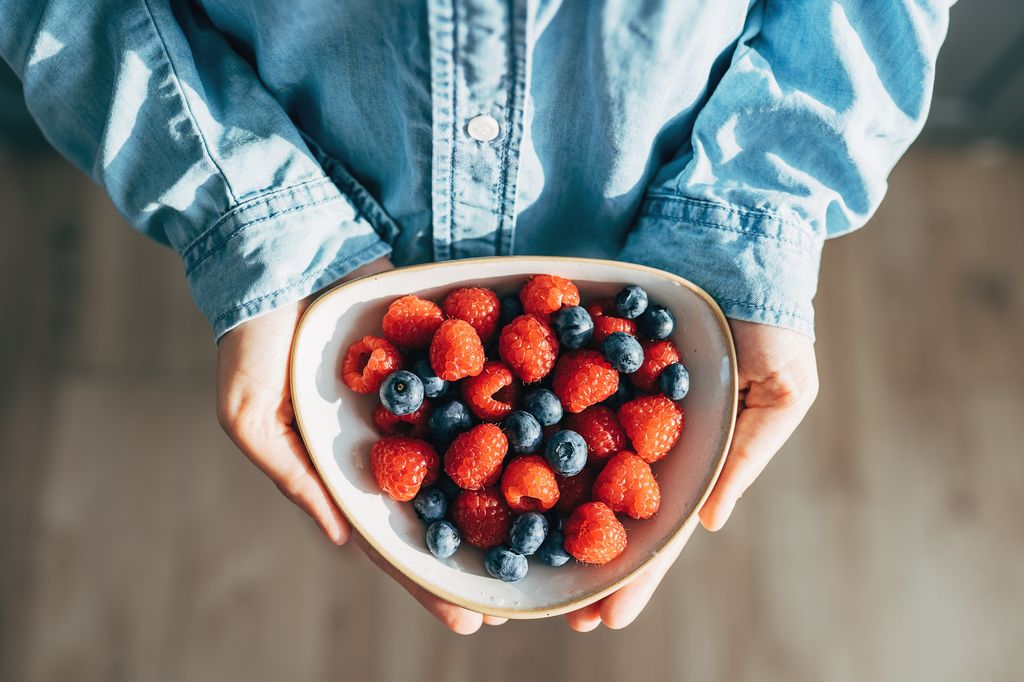
This one might be an old wives' tale, but it's worth a shot. Wash your berries in diluted vinegar (1 part vinegar to 3 parts water), then leave to dry completely. Once dry, pop them in a container with a paper towel, but don't seal the box completely, so that they're not entirely restricted from air. The vinegar essentially helps to keep the pH balance in check and keep mould spores at bay for longer. If you ask me, though, frozen berries are your best bet. You can throw them into smoothies or yoghurt bowls since they defrost in no time, and shop-bought berries are frozen as soon as they are picked, meaning they still have their nutritional value.