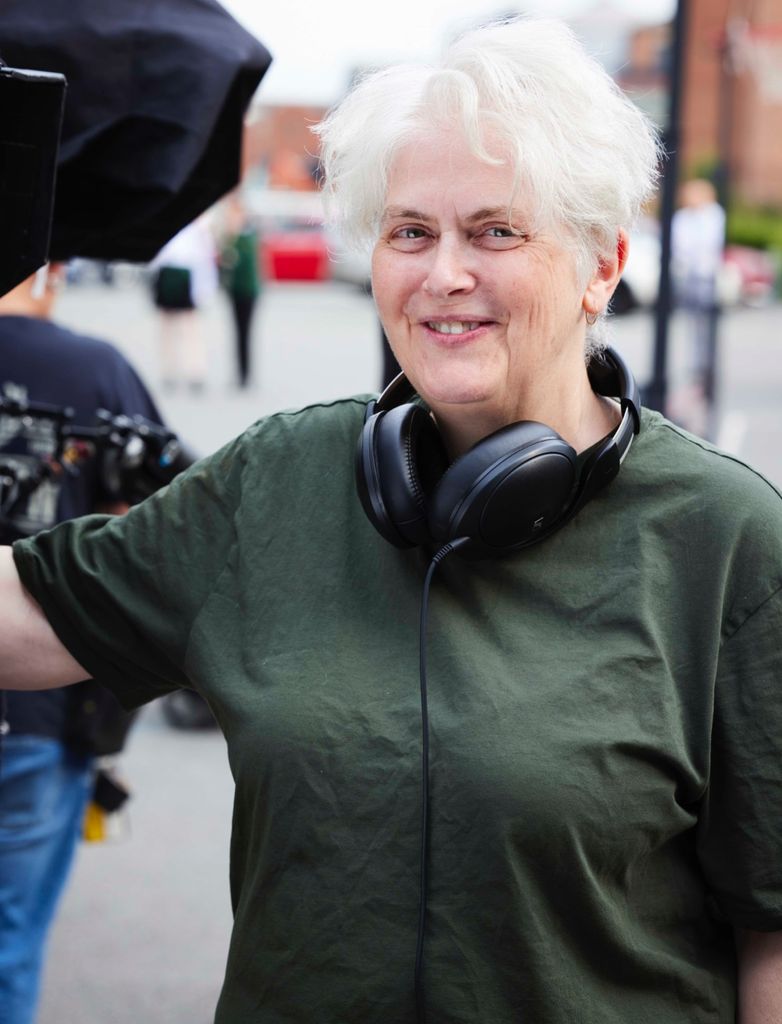
Sally Wainwright is the creative genius behind some of the most popular British dramas of the past decade; from the Sarah Lancashire-starring crime thriller Happy Valley, about a Yorkshire-based police sergeant, to the period drama Gentleman Jack, starring Suranne Jones as trailblazing landowner Anne Lister. Now, the 62-year-old writer is taking inspiration from her own life in her new six-part BBC drama, Riot Women, about a group of five menopausal women who form a punk rock band while juggling high-pressure jobs, grown-up children and elderly parents.
Sally – who lives in Oxfordshire and has two sons with the antiquarian sheet music dealer Austin Sherlaw-Johnson, from whom she separated after 29 years in 2019 – learned to play the drums as research for the drama, which stars Friday Night Dinner's Tamsin Greig, The Thick of It's Joanna Scanlan and Sherwood actress Lorraine Ashbourne.
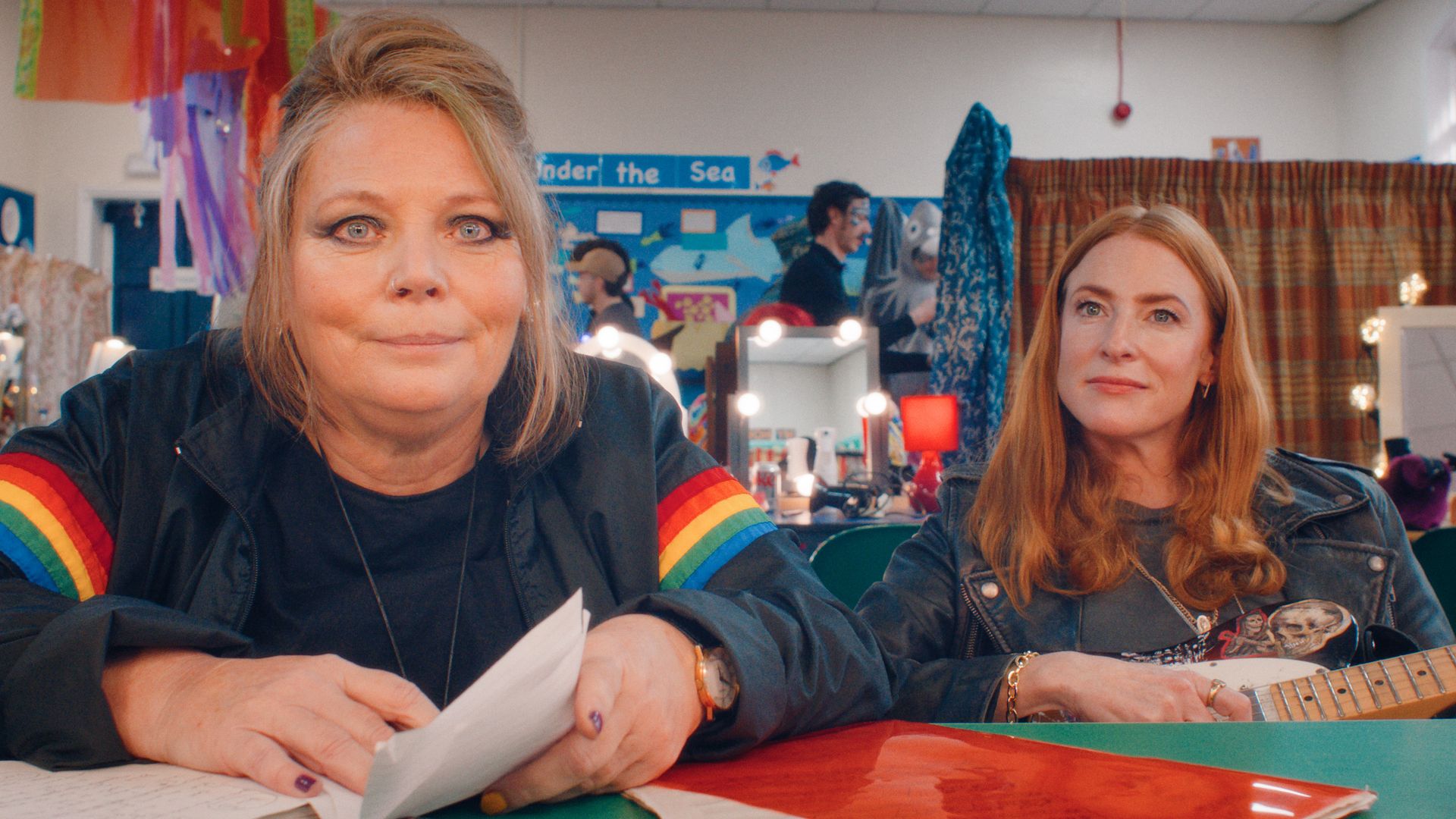
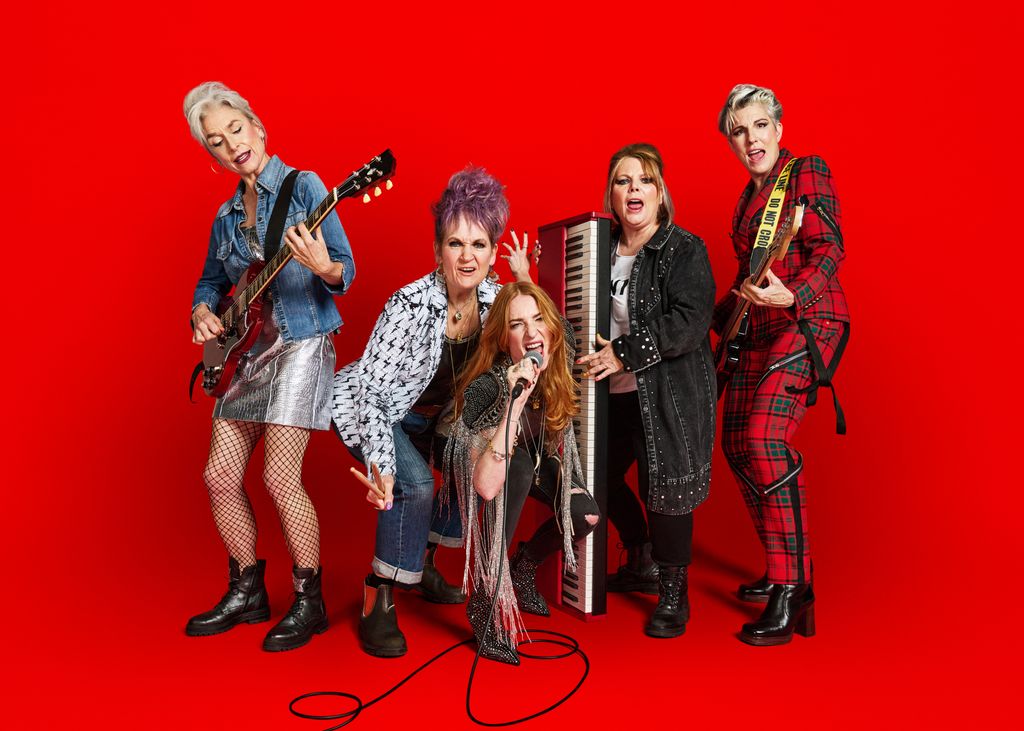
The series follows five menopausal women who form a punk rock band and enter a local talent competition
Sitting down with HELLO!, Sally reveals how life after 50, the breakdown of her marriage and her mum's dementia diagnosis inspired the new BBC show, as well as her hopes of writing another police drama.
How did your experience of midlife inspire the story?
One of the points of this show is women of a certain age, but it's not just about the menopause, it's about the responsibilities that come your way. My marriage broke down, my two boys are adults, but they still come through with their new, different problems as they get older. It feels like you're just carrying a lot of stuff and, in the middle of that, you start to feel like you're disappearing because your hormones are whittling away. I suddenly started to feel like a little old lady, and that was a real shock. So I wanted to write about that feeling, but in a way that was uplifting, interesting and entertaining.
What triggered the story itself?
I came up with the idea about ten years ago, when I was getting into my 50s and realised my mum had dementia. A few things start piling on when you get to a certain age. When you get to 40, you suddenly realise you don't give a s*** what people think any more. You genuinely don't worry about all those niggly things; you get to that age where it just stops and you're sorted. Then the weird thing is, you get to 50 and things all go wrong again. You're often at the height of your career, so you've got a lot of responsibility at work, and the big thing for me was my mum had started to get dementia. I just didn't see it coming and wasn't prepared for it. There are no guidelines, like when your kids start school and you get all this help; there's nothing. You have stuff to deal with that you didn't quite anticipate. You have to get tough as you get older to deal with what comes your way and it often coincides with the menopause.
Amelia Bullmore, Rosalie Craig and Tamsin Greig star in Riot Women
How did the rock band element come in?
I've always wanted to write about a rock band. It's one of those aspirational things that's universal, that most people at some point in their life fantasise about being in. I just thought it was a nice combination that would allow me to write about the things that I was going through, but would not be miserable, downbeat and an energy drain.
“I saw a show called Rock Follies when I was 13, about a female rock band, and it changed my life. I felt like I woke up. I suddenly thought: 'That's what I'm going to do, write telly.' And so it's always been there, this idea of writing about a female rock band, and how it came about in terms of the show. I asked all the women to learn the instruments properly, which they did – I really didn't want it to look like they were miming. They all loved it. It really bonded them and they had a ball doing it. A big part of that has been the fact that they've been on this extraordinary learning curve together to play the instruments.
You're famous for creating strong, straight-talking female characters. Where do you find your inspiration?
I know I've got a reputation for strong female characters, but I like to think it's more that they're complex characters. I like writing about women because I think they’re emotionally more articulate than men. Men don't talk about emotions. In my experience, they talk about current affairs, football and golf. Also, I'm a woman, I'm in a woman's head, so while I do like writing for men, I can get into more emotional, granular detail if I'm writing about women.
"It feels like you're just carrying a lot of stuff and, in the middle of that, you start to feel like you're disappearing because your hormones are whittling away."
Sally Wainwright
You may also like
Will you ever do another police drama after Happy Valley?
I hope so. I would definitely do another crime show, but I'd have to find a way of coming at it that wasn't formulaic and think of something new.
The BBC's upcoming comedy, Rewarding, starring Blue Lights actress Hannah McClean and comedian Vittorio Angelone, follows the lives of two support workers in Northern Ireland

 © BBC / Drama Republic
 © Drama Republic Ltd / Helen Williams
 © BBC
© BBC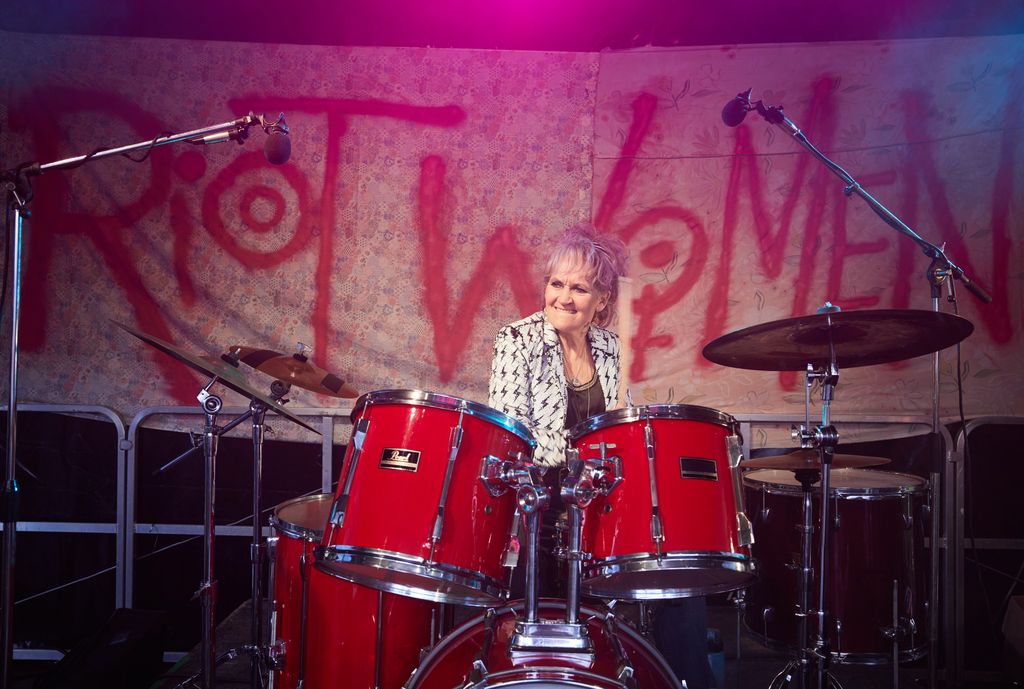 © BBC / Drama Republic / Helen Williams


