There are many reasons why our face starts to show signs of aging. Our genes, sun exposure, illness are all known to have an impact. But there is another major factor that can affect our features as we get older according to skin specialist Sarah Bradden - grief.
By the time we hit midlife, we will most likely have suffered grief of one kind or another. Last year I sadly lost four loved ones, and by the end of the year when I went to visit Sarah for a bespoke acupuncture facial, she said she could see the pain physically etched on my face.
On one of her travels around the world studying various facial techniques, Sarah discovered the ancient art of Chinese face reading. Since introducing the technique at her Belgravia clinic, has noticed Second Act women over 40 are the ones who are carrying the most emotional baggage in their face.
“The face reflects lived experience,” says Sarah. “Every emotional event leaves a trace because emotions directly affect the nervous system, organs, breath, and circulation. Over time, the face records how a person has adapted to life, not simply how old they are.
“I see this most clearly in women over forty. By this stage of life, many women have carried years of responsibility, suppressed emotion, unprocessed shock, and prolonged stress. There may have been relationship trauma, work pressure, caregiving roles, fertility journeys, illness, or financial instability. Often there has been very little space to pause and process what has actually happened.”
How does grief affect the face?
Grief is not limited to the loss of a loved one or pet. It can include the loss of safety, identity, stability, health, relationships, financial security, or the life we believed we were going to live.
All of these factors can cause stress and tension in our face that can make our facial features change and contribute to us looking older than we should.
“In Chinese medicine, grief is closely linked to the lungs and the breath,” explains Sarah. “When grief is unresolved, breathing becomes shallow and protective. This restriction creates tension in the chest and diaphragm, which then travels upward into the neck, jaw, mouth, and face. Over time, this holding becomes habitual and visible.
“Grief has very recognisable facial patterns. These patterns appear whether or not someone consciously identifies as grieving.”
Many women say their face has changed without knowing why. Often it is grief and prolonged stress rather than ageing alone and if it is not processed, the body stores it.
Over time this can contribute to anxiety, poor sleep, digestive issues, hormonal imbalance, immune weakness, chronic pain, and emotional numbness and from a facial perspective, unresolved grief restricts circulation and lymph flow. Skin tone dulls, tension deepens, and the face becomes less expressive. Most importantly, the nervous system remains in a low-grade state of threat even when life appears stable.
Here Sarah outlines the six main areas where grief can show up in your face.
* Jaw tension or clenching reflects suppressed emotion and the need to stay strong.
* Tightness around the mouth and lips reflects difficulty receiving nourishment and life fully.
* Deepening lines between the brows reflect ongoing worry and mental pressure.
* Heaviness or sinking in the cheeks reflects depleted vitality.
* Puffiness or darkness under the eyes reflects long term stress and reduced reserves.
* A dull or withdrawn quality in the eyes reflects emotional fatigue and guardedness.
How can we release grief from the face?
During my hour long session with Sarah at her Belgravia clinic, she examined my tongue and assessed my face, acknowledging how the grief had affected me, before cleansing and massaging my face using lymphatic drainage. She then inserted acupuncture needles into my ears and the main areas of concern on my face, hands and feet; all while inhaling oxygen through a nasal cannula and treating my gut with red light. The process felt slightly uncomfortable at first but she moves so quickly you barely notice.
“Release must feel safe. The body does not let go until it feels supported,” she says. “Professional treatments such as facial and body acupuncture help regulate the nervous system, release deeply held tension, and restore healthy circulation. I work not only on the face but also the entire body because grief is held throughout the body.”
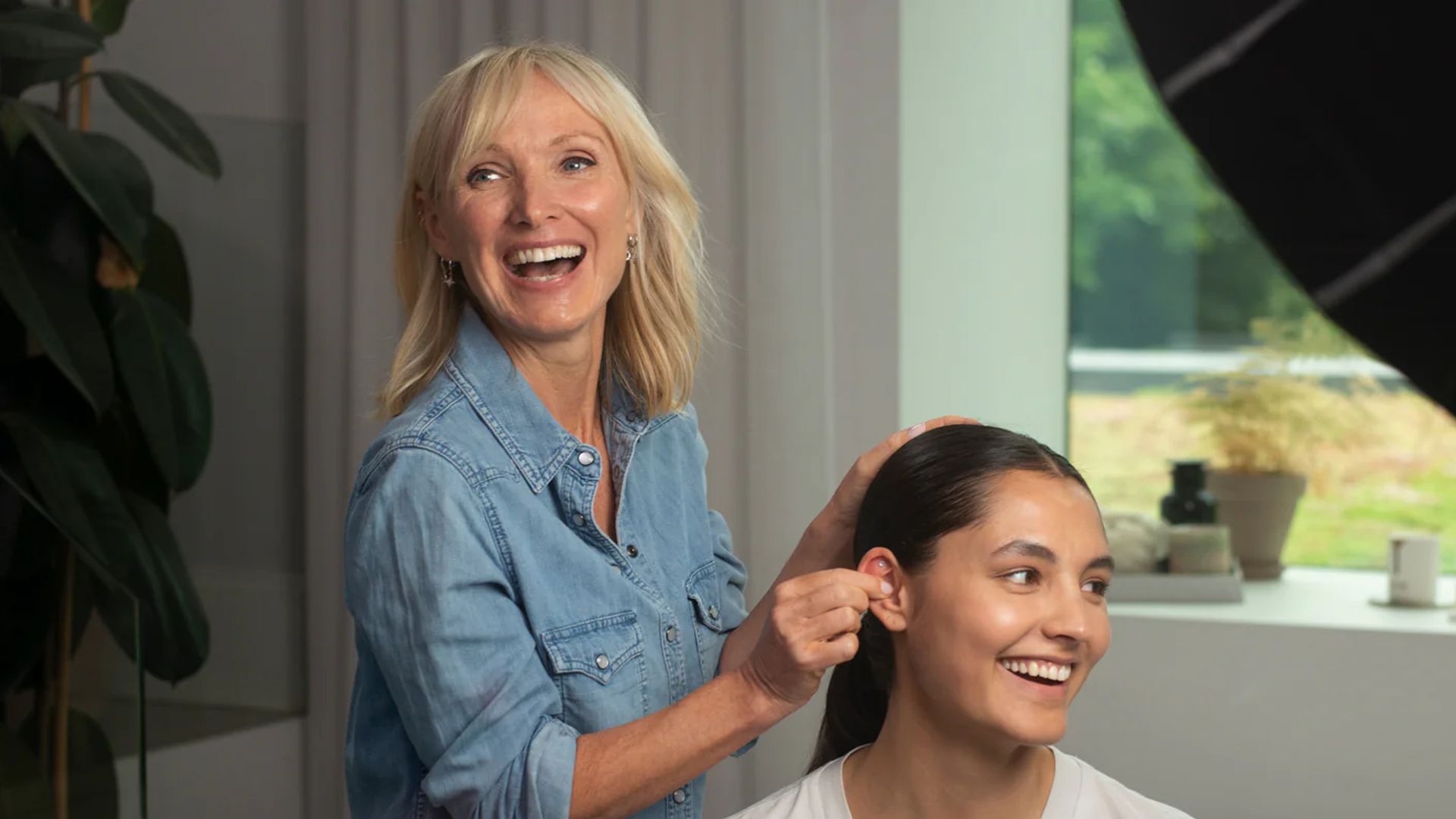
One of her main areas of focus is the ears, and she provided me with instructions to take away of where to place ear seeds, which look like stick on earrings but with a little massage nub to help with anxiety and stress when pressed.
This isn’t a facial, it is a healing whole body experience that touches all of the senses, with the welcome additions of a tuning fork to create sound therapy that grounds the body and reiki which flooded my mind with a pink glow.
While I had the whole package, Sarah has developed her own DIY Bradden Method using acupressure which anyone can try at home to get similar results with gentle and consistent practice.
Tips For Facial Fascia Release
Begin at the collarbones using light outward strokes to encourage release.
Massage the sides of the neck downward toward the collarbones.
Use slow circular movements along the jaw where tension gathers.
Cup the cheeks gently and lift and release.
Finish by placing both palms over the face and breathing slowly for one minute.
This work should feel soothing rather than forceful. The aim is to soften protective holding patterns and allow circulation to return.
After the treatment people often feel calmer, lighter, and more grounded. Sleep improves, breathing deepens and there is a sense of reconnecting with themselves.
Visibly, the jaw relaxes, the mouth softens, the eyes brighten, and the face appears more open and alive. Not altered, but restored.
After my own experience I left feeling lighter than I had for months with a loss of puffiness around my eyes and a change in the shape of my face around my jawline. A friend I met afterwards for lunch commented on how sparkling and clear my eyes looked.
I had no idea the impact my grief had had on my whole body, or the magical way it can heal itself. I feel with Sarah’s tips, I can go into 2026 still processing my loss but now armed with new tools to feel lighter and look brighter.