

After a brief outbreak in 2025 in the New York City neighborhood of Harlem, another Legionnaires' disease outbreak is spreading through the city in July 2026, this time through Manhattan's Upper East Side.
Per the New York City Health Department, as of July 13, 2026, 60 total cases have been detected, leading to multiple hospitalizations. As of writing, 34 of the patients have already been discharged, 15 are currently hospitalized, and there have been no reported deaths.
But what is Legionnaires' disease?
"Legionnaires' disease is a community-acquired pneumonia caused by inhaling water droplets contaminated with Legionella bacteria – typically from poorly maintained cooling towers, air-conditioning systems, hot tubs or plumbing," said Tyler Evans, CEO of Wellness Equity Alliance, and a doctor who has worked with vulnerable populations, Doctors without Borders, and is one of the founders of the NYC Refugee and Asylee Health Coalition (NYCRAHC).
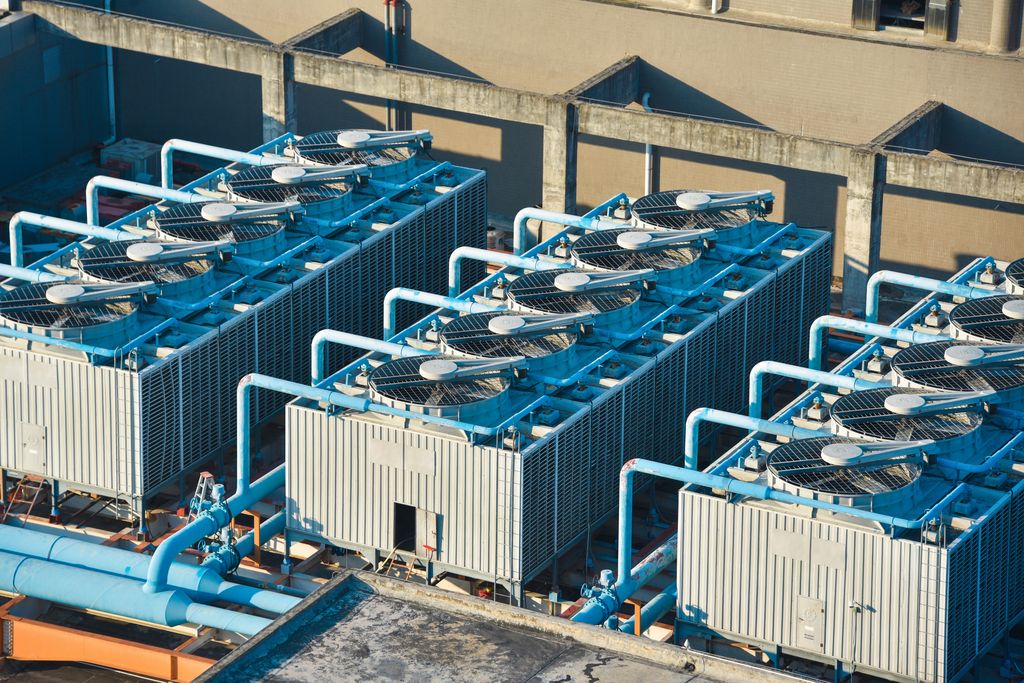
The NYC Health Department is investigating the cluster, and crews have repaired "the 11 cooling towers with initial positive screening results showing the presence of Legionella pneumophila, a type of bacteria that causes Legionnaires' disease."
Cooling towers are water systems typically found on the top of buildings.
Am I impacted?
Currently, three zip codes in the Upper East Side – 10028, 10128, and 10075 – have been affected, with anyone in the area experiencing "flu-like symptoms" being encouraged to contact a healthcare provider.
 © Getty Images
How does Legionnaires' disease spread?
Tyler tells HELLO! that although Legionnaires' "does not spread person-to-person, the risk increases significantly with heat and humidity," and because of climate change, cities are "seeing more frequent and severe outbreaks, particularly in low-income urban areas."
"In New York City, for example, neighborhoods like the Bronx and Harlem have experienced repeated outbreaks approximately every three to five years," he said.
 © Getty Images
Can I drink my water?
The health department has previously said that the cluster does not involve any building's plumbing system, and that it is safe to drink water, bathe, shower, cook and use air conditioners.
Keep yourself safe
But if the disease does not spread from person to person, how can you keep yourself safe?
Unfortunately there is no easy way, says Tyler, who admits "maintenance and awareness" are the best tools.
 © Getty Images
"Building owners and facility managers must regularly inspect and disinfect water systems – particularly during warm, humid months when Legionella bacteria are more likely to thrive," he tells HELLO!.
"For individuals, especially when traveling or staying in unfamiliar buildings, it's reasonable – and potentially life-saving – to ask how those systems are managed."
Pre-existing conditions
"Just as important is staying vigilant for vulnerable loved ones: those over 50, people with chronic health conditions like COPD or diabetes, and individuals who smoke or vape face significantly higher risk," says Tyler.
Ask your landlord for help
It can be anxiety-inducing to ask landlords how their systems are managed, but when the health of you and your family is at risk, you should always reach out.
Begin by contacting them in writing, clearly explaining what you're asking for; in New York City, landlords have 24 hours to fix "immediately hazardous" conditions and 30 days to fix "hazardous conditions" like leaking ceilings or roaches.
If there is no response, you can contact the Tenant Helpline on 311.


