With the stresses of everyday life, it's incredibly normal to feel anxiety and overwhelm from time to time. But when it starts to overtake thoughts and your overall levels of happiness and contentment, it's a sign to pay attention.
While anxiety is a medical condition and should be treated with this in mind by professionals, there are fortunately some straightforward ways you can ease symptoms.
As someone who has been to a GP due to anxiety and been recommended tools such as Talking Therapies, I'm writing from a place of experience. And, at first, I wasn't entirely sure how much focusing on breathing would really help.
We all breathe without thinking, right? I, perhaps naturally, had a mild feeling of cynicism.
But after trying my hand at meditation (harder than it you'd think) and mindful breathing, my levels of anxiety, while not cured completely, have eased. Not only that, but it has also helped my sleep. Win, win.
So, since it's not quite as simple as breathing in and out, there are some methods that are relatively easy to learn.
Click through the gallery to learn these NHS and expert-approved breathing techniques…
 © Getty Images
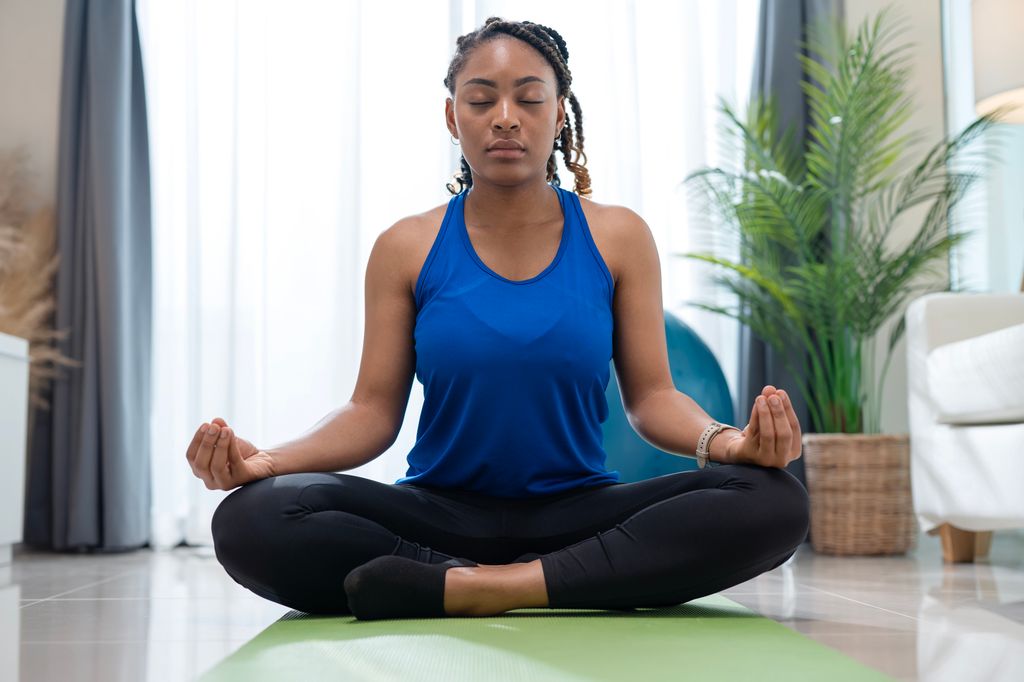
Mindful breathing
Mindful breathing is perhaps the most straightforward, because you don't need to breathe in a specific way, it's more about your thoughts and environment to put you in a place of calm and ease.
Start by making sure that you're comfortable, whether sitting or lying down. Close your eyes if you think it will help.
Bring your attention to your breath and just focus on how you're inhaling and exhaling. Is it quick? Slow? Deep or shallow?
Observe the breath without trying to influence or change it. Continue for a few weeks so that your awareness is fully on your breathing. Once you're able to master this, you'll be able to try other methods.
The NHS mental health hub says: "This calming breathing technique for stress, anxiety and panic takes just a few minutes and can be done anywhere. You will get the most benefit if you do it regularly, as part of your daily routine."
 © Getty Images
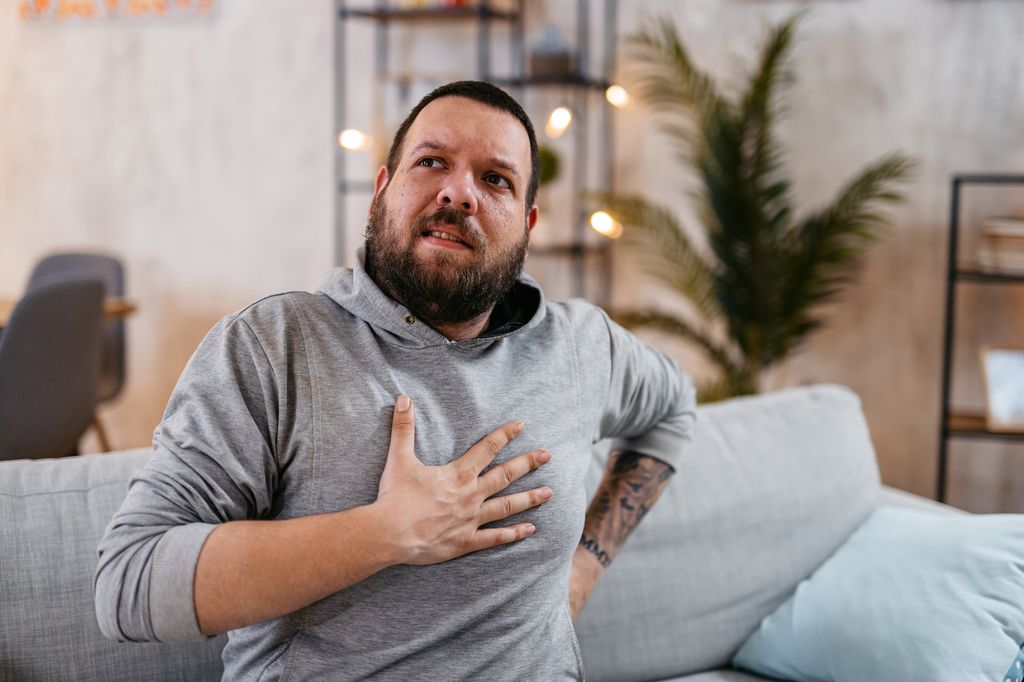
4-7-8 breathing
Experts at the British Heart Foundation say that 4-7-8 breathing is a great tool for coping with stress in the moment of chaos, while also being a good method before sleep.
"This technique is based on an ancient yogic breathing method called pranayama. While there isn't much scientific research on 4-7-8 breathing, people find it effective.
"To begin 4-7-8 breathing, sit comfortably with a straight back. Or, if you're using this exercise to help you fall asleep, lie down instead. Throughout the session, your tongue should be resting gently against the roof of your mouth, just behind your top front teeth."
The general rule is that you breathe in for four seconds, hold for seven and then slowly exhale for eight seconds.
Repeat three to four times to feel the benefits.
 © Getty Images
Box breathing
Experts at Calm state that box breathing can be great when you're feeling apprehensive, for example, before a big meeting or job interview.
"Breathe in for four counts, hold for four counts, exhale for four counts, and then hold again for four counts. Visualising a box as you do this can help maintain focus and rhythm."
 © Getty Images
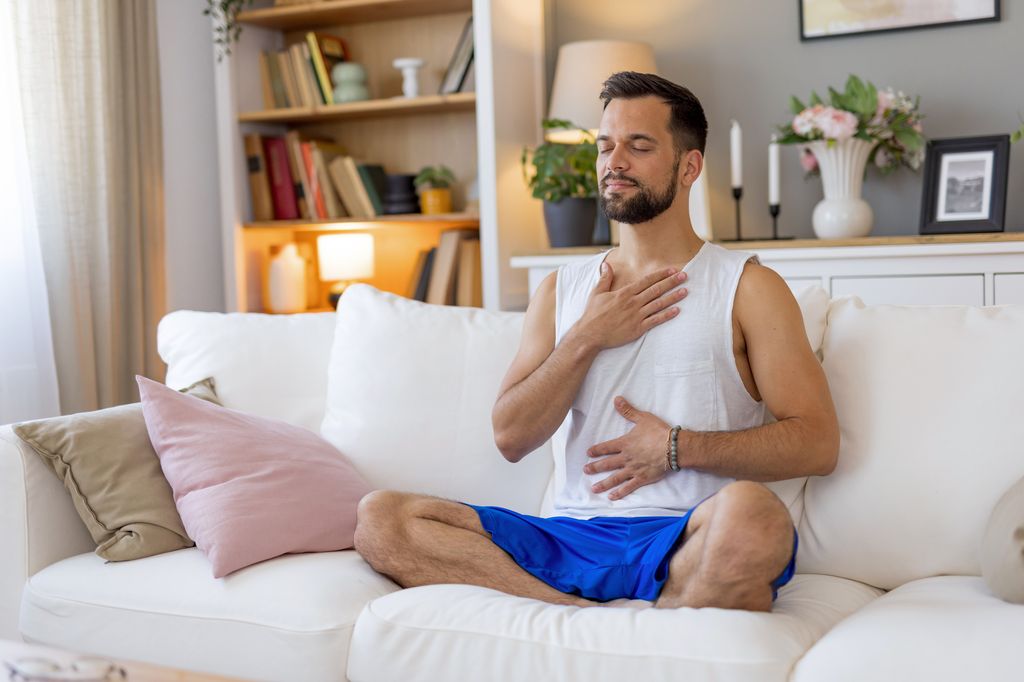
Belly breathing
Calm also recommends belly breathing as it doesn't require too much thought or any counting.
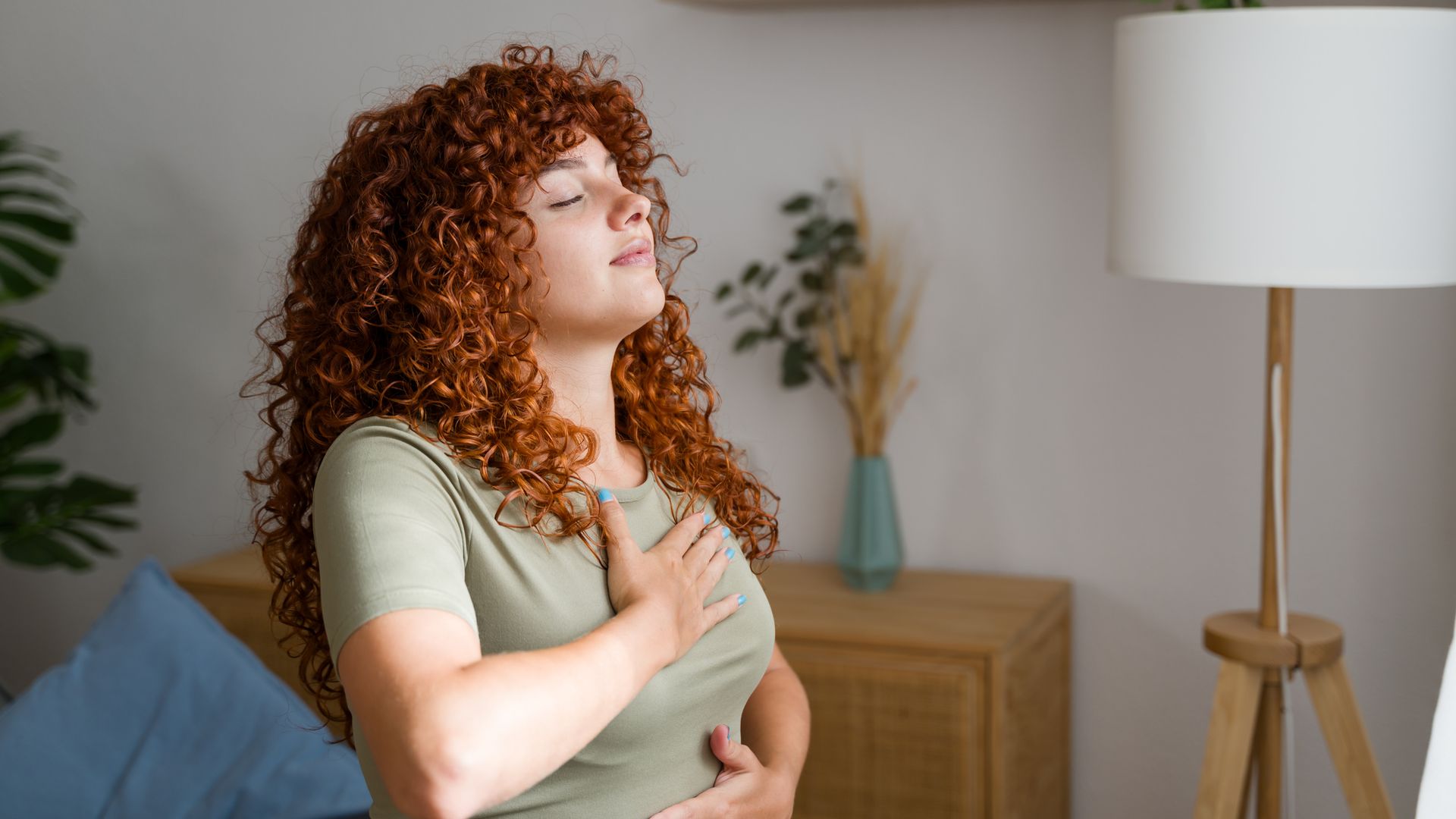
Simply focus on your breath with your hand on your stomach, feeling how your belly expands and falls as you breathe in and out.
 © Getty
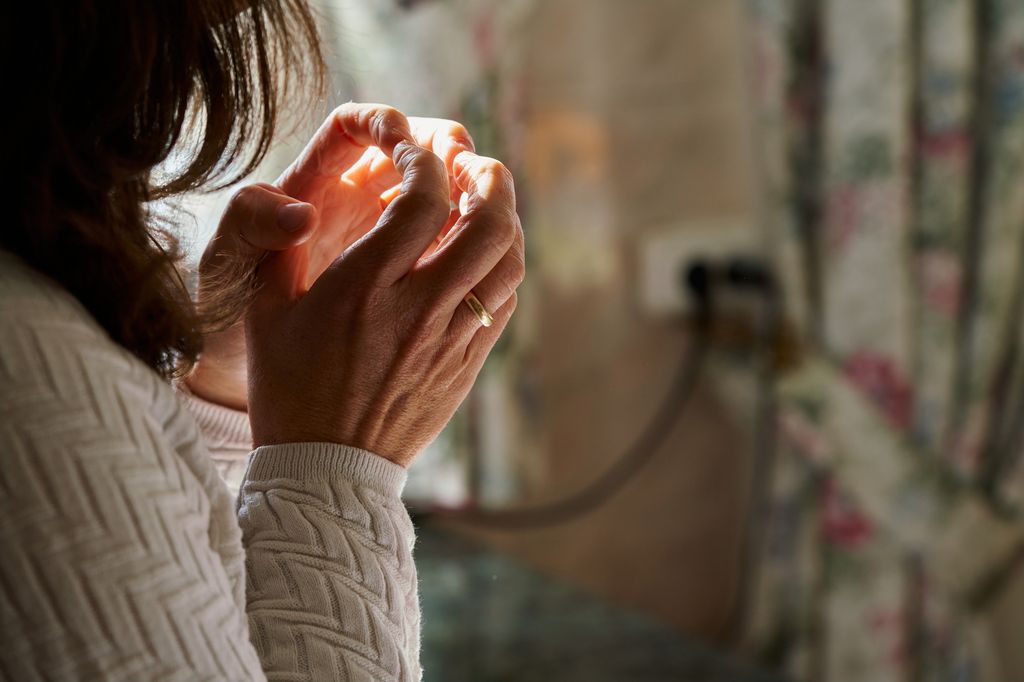
Resonant breathing
Resonant breathing is great for regulating your body's stress response, says Calm.
"Aim to complete five full breaths per minute. Each breath cycle (inhale and exhale) should last about 12 seconds. This is great to practice in a quiet space, perhaps in the morning or evening."