
Are you one of those people who would rather stay at home than make plans with family and friends? Admittedly, sometimes the best plan is one where you lay low and enjoy your own company, but you may have found yourself thinking: "I feel so guilty - I really should go out and socialise a bit." But is staying home every weekend by choice a problem? And if it isn't an issue right now, when does it become one?
Psychologist Lourdes Ramón, who has over 20 years of experience in integrative psychotherapy, explains that if you find yourself in this situation, the first thing to do is to contextualise it. How old you are right now and at what point you started being more reclusive are two primary determining factors.
"If we’re talking about something that has just started happening recently, it could be that you’re trying to manage your emotions because you’re feeling more stressed out, maybe emotionally or because of work," says the psychotherapist.
"It may be that you need to self-regulate - emotionally, physically or mentally. Staying at home is a way to put a stop to that overstimulation."
Sometimes, it might be that you have difficulties socialising in general. "In that case, it’s most important to understand where your need to stay home is coming from, and figure out what kind of therapy could help."
 © Getty Images
Exploring the roots of your behaviour: Why do you never want to go out?
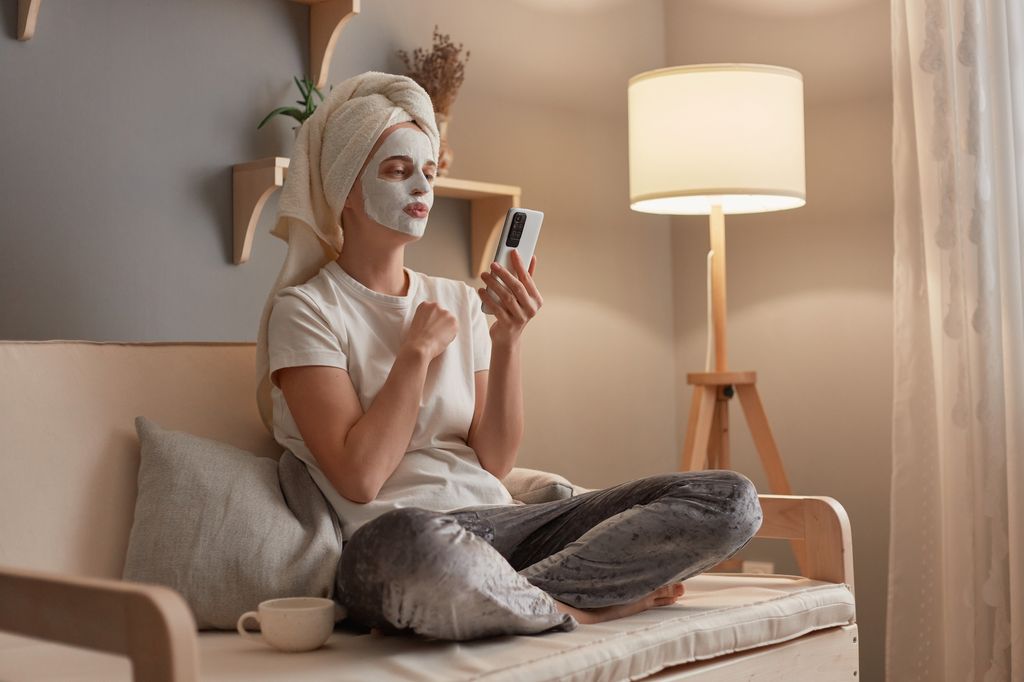
The fact that you prefer to stay home on weekends isn't necessarily a problem, but the psychologist recommends delving into what staying at home means for you: is it an act of self-care or are you trying to escape from life? Does being at home in your own space help nourish your peace or are you avoiding the world because of pain, fear or exhaustion?
If Ramón’s message resonates with you so far, you may want to ask yourself these questions:
- What does staying at home represent for you?
- How do you feel about what home means?
- When you choose to stay home, what do you feel? Joy, guilt, resignation?
Staying home on the weekend "can be a sacred time to retreat and recharge. But it can also be a sign of deeper issues, such as unaddressed trauma, chronic exhaustion or burnout. For some, it's a response to a hyper-alert nervous system entering a 'freeze' state (Dorsal Vagal Shutdown). For others, it's a way to naturally regulate when the world outside feels overwhelming, heavy or threatening."
"Staying home on the weekend can be a sacred time to retreat and recharge. But it can also be a sign of deeper issues"
Are you shutting down or do you just need a break?
According to Ramón, "Hitting the pause button is sometimes necessary so we can self-regulate, connect with our inner selves, discover who we are and where we want to go."
 © Getty Images/iStockphoto
She explains: "This ‘stop' is essential so we can take a moment to listen to ourselves and gain clarity. Sometimes, forcing yourself to socialise makes you feel even more blocked because instead of allowing yourself an opportunity to listen to your own emotional needs, you dissociate and repress yourself just to be able to fit into a certain social context."
Therapy can help you learn to validate your own emotions and acknowledge your inner thoughts. The best first step if you find it difficult to socialise is to do it with people with whom you feel safe and understood. "[Put yourself] in environments that nourish you, where you feel that you can freely express yourself."
When you choose to stay home, what do you feel? Joy, guilt, resignation?
She adds: "Sometimes we act from a place of obligation - 'I have to...', or 'This is what I should do' - where we’re mentally ordering ourselves [to socialise]. This keeps us from having a more organic connection with our bodies, our emotions and ourselves."
 © Getty Images
The therapist recommends thalassotherapy, massages or yoga sessions as a way to regain mental clarity, calling them a way of being hugged or “held". "When the body begins to relax, your deeper, unaddressed feelings begin to emerge," she explains.
What your body is doing when you shut down
When we're shutting down, our bodies - for example the jaw, shoulders or hips - tend to tense up, essentially repressing the emotions we don't want to face. It's not a conscious decision, but we need to take control in order to do life a normal life. The first step is to listen to yourself and, if necessary, find a therapist who can listen to you, too.
About the expert:
Psychologist Lourdes Ramón is head of the Palasiet Wellness Clinic's Emotional Guidance and Support department. She has over 20 years of experience in integrative psychotherapy.


