
Cataracts are one of the most common eye conditions worldwide and a leading cause of gradually declining vision in adults. Although often associated with aging, they can develop earlier in life and may progress silently before symptoms become noticeable.
A clear understanding of what cataracts are, how they develop, and how they are treated can help individuals recognise the condition early and seek timely advice. To understand more about this common condition, we consulted an expert to share the lowdown on everything from the symptoms of cataracts to how they can be treated.
What are cataracts?
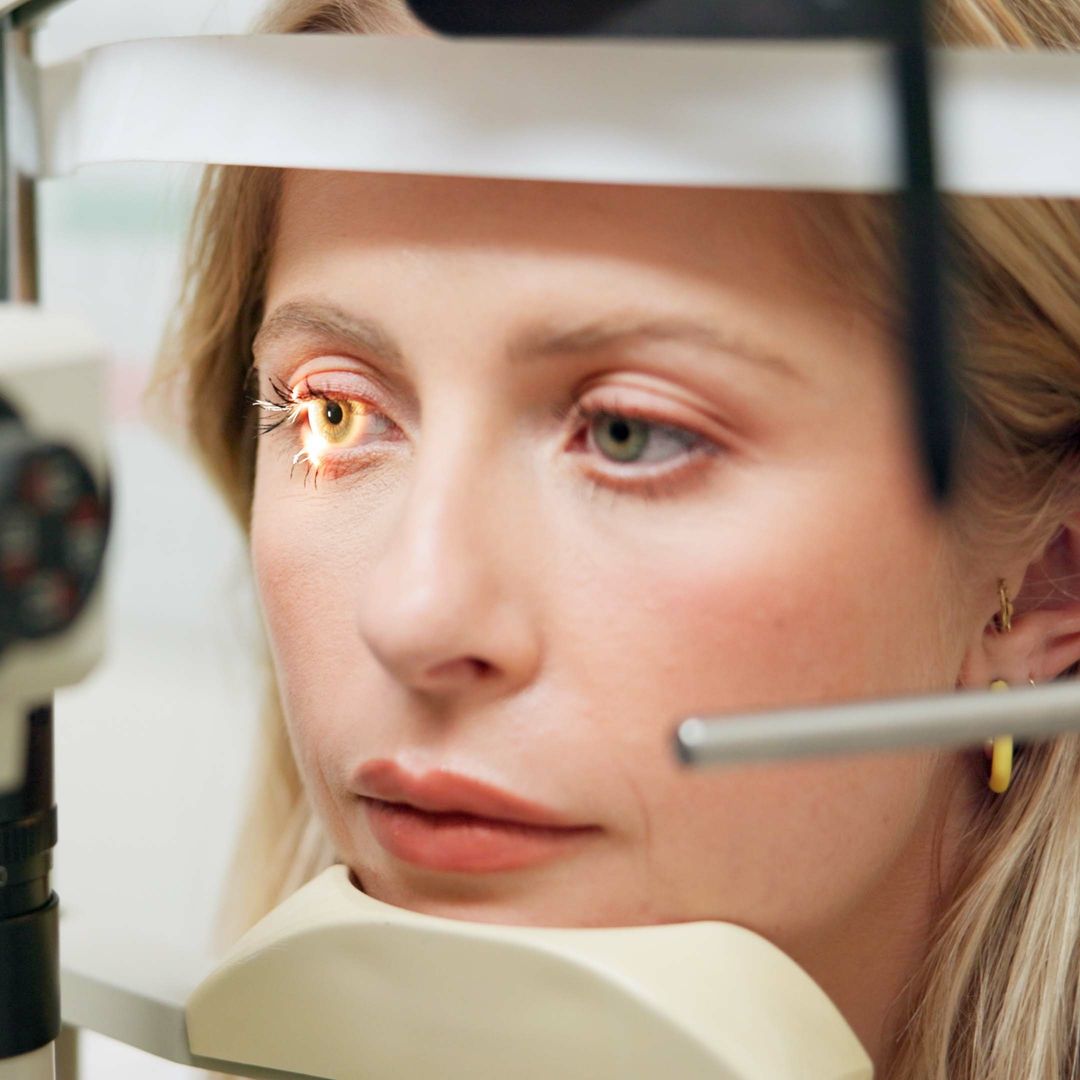
Firstly, what exactly are cataracts? "A cataract occurs when the natural lens of the eye becomes cloudy. The lens, positioned just behind the iris – the coloured part of the eye - is normally crystal clear and allows light to focus sharply on the retina," explains Vincenzo Maurino, Consultant Eye Surgeon at Moorfields Eye Hospital. "With time, the proteins inside the lens undergo natural changes that reduce transparency. As the lens becomes progressively more opaque, vision appears blurred, misty or washed out.
 © Getty Images
"Cataracts are extremely common and represent a natural part of the ageing process for most people."
What causes cataracts to develop?
Age is the primary factor, but several elements can influence how early or how quickly a cataract forms. These include:
- A genetic predisposition
- Long-term exposure to ultraviolet (UV) light
- Diabetes
- Smoking
- Prolonged use of steroid medications
- Previous eye injuries
- Previous eye surgery or eye medications (e.g., glaucoma drops, eye injections)
Although cataracts cannot always be prevented, awareness of these risk factors helps identify individuals who may develop them at a younger age.
The early signs of cataracts
"Cataracts often develop gradually, and early changes can be subtle. Many people first notice a general blurring of vision, similar to looking through a fogged window," Vincenzo explains. Other early symptoms may include:
- Increased glare or halos around lights, particularly at night
- A need for brighter light when reading
- Colours appear faded or more yellow
- Frequent changes in glasses prescription
- Difficulty with night driving
Because these changes occur slowly, regular eye examinations are essential for early detection.
Can cataracts be prevented?
While cataracts cannot be entirely prevented, there are certain lifestyle habits that can help slow their progression. "Protecting the eyes from UV exposure with good-quality sunglasses, stopping smoking, and keeping blood sugar levels well controlled in diabetes can all contribute to healthier crystalline lenses," the eye surgeon says.
"A balanced diet rich in antioxidants may also support long-term eye health. Routine eye checks remain the most reliable way to monitor lens health over time."
 © Getty Images
How cataracts are treated
The idea of surgery may seem scary, but the eye surgeon says the procedure is both incredibly safe and effective. "Cataract surgery is the only effective treatment and is considered one of the most refined, reliable, and safe procedures in modern medicine. The operation involves removing the cloudy natural lens and replacing it with a clear artificial intraocular lens (IOL). It is typically performed as a day-case procedure, both eyes simultaneously or in two separate sessions, is vastly painless, and allows most individuals to return quickly to normal activities," Vincenzo explains.
"Modern IOL technology offers a wide range of options, including lenses that reduce dependence on glasses for distance, intermediate, or near vision. The choice of lens is tailored to each patient’s lifestyle and visual needs."
In summary, cataracts are common, progressive, and completely treatable. Recognising the early signs and attending regular eye examinations allows the condition to be managed at the right time. With advanced surgical techniques and lens technologies, patients can expect excellent visual outcomes and a rapid return to everyday activities.