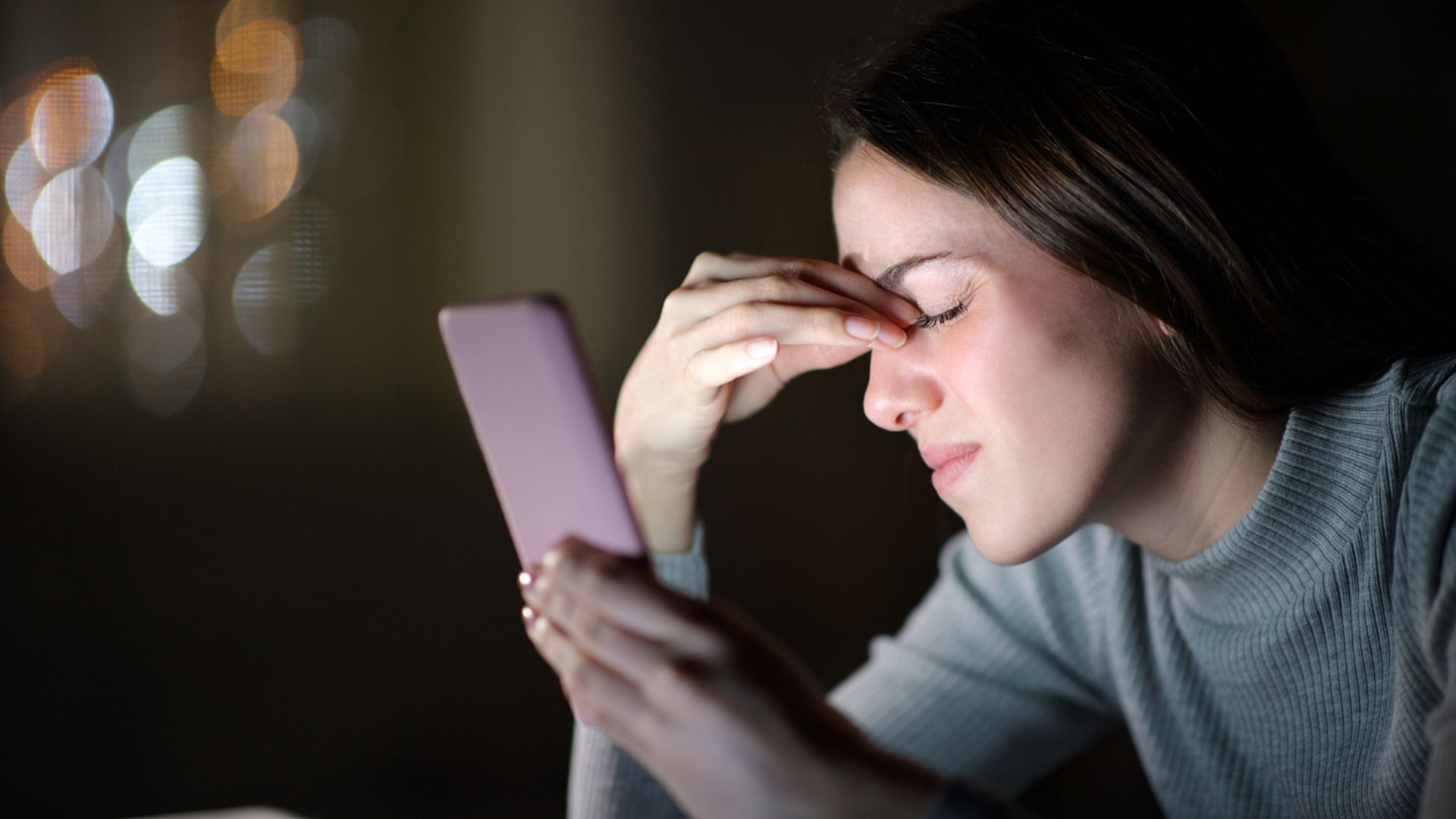

If your eyes often feel tired and strained after a day at work or too long spent scrolling on the phone, you're not alone. As we become more reliant on screens, it can have an impact on our eye health, but it's not impossible to turn things around.
Through establishing some healthy habits and following some easy preventative measures, you can relieve eye strain and stop it from recurring, and we've got the details on exactly how to do it from two optometrists. Eye strain ends here.
 © Getty Images
How do you fix eye strain?
"Our eyes were not designed to use computers and digital devices, especially for long periods of time. Staring at screens makes the eyes work harder due to factors like reduced colour contrast and definition between letters, a lower blink rate, and added glare or reflections. As a result, many people experience digital eye strain, with symptoms such as headaches, blurred vision, dry eyes, neck and shoulder pain, and eye irritation.
"These issues are often made worse by poor lighting, glare, improper viewing distances, poor posture, uncorrected vision problems, or a combination of these factors," says Dr. Jacquie Bowen, President of the American Optometric Association.
"In fact, more than 104 million Americans are exposed to excessive screen time (defined as seven or more hours per day), including about 70 per cent of people who have an office job, according to the AOA report. Even as few as two hours daily on a device can cause eye problems. The good news is there are easy habits that can help."
1. Let your eyes relax
"Take breaks from close-up work by doing an activity that lets your eyes relax at a distance. Practice the 20-20-20 rule: every 20 minutes, look at something 20 feet away for 20 seconds. You should also avoid using screens 1 to 2 hours before going to sleep," Dr. Bowen says.
2. Keep screens at a distance
"Hold screens like a book, not too close to your face. Keep a comfortable viewing distance: 13–20 inches from phones, small tablets, or laptops; more than 20 inches from monitors."
3. Blink more
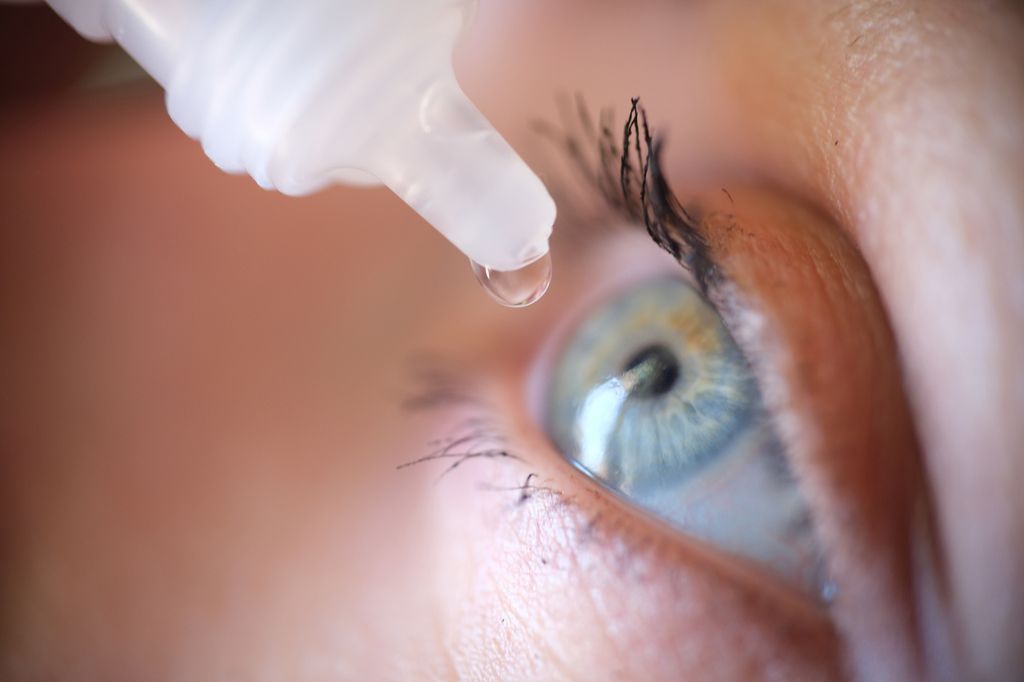
"Blink more often (and use lubricating drops if needed): Screen use reduces blink rate, which dries out the eyes; blinking keeps the front surface of the eye moist," the optometrist adds.
 © Getty Images
4. Change your device settings
"Adjust lighting and screen settings: Reduce glare, match screen brightness to the room, and increase font size when needed."
5. Schedule an annual comprehensive eye check
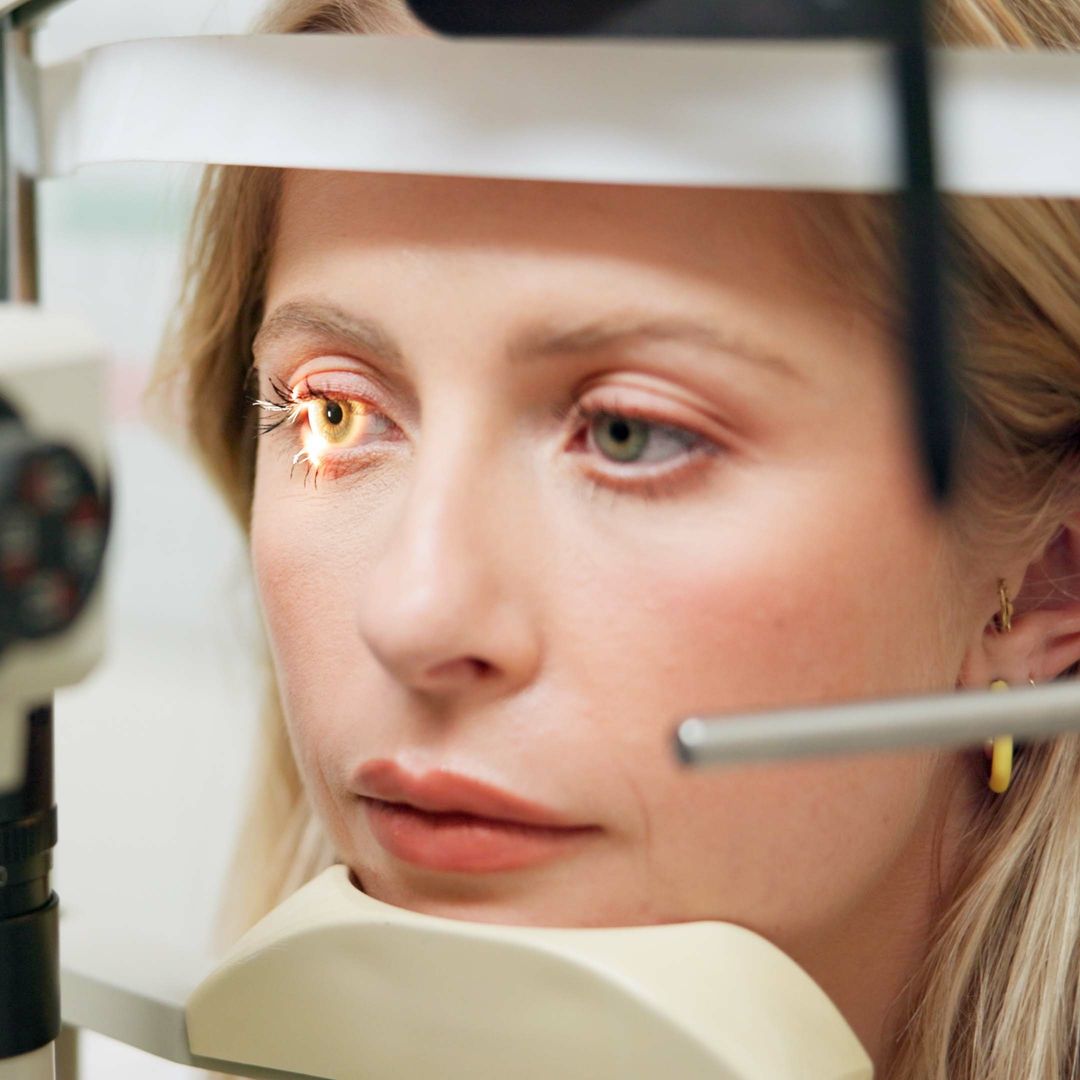
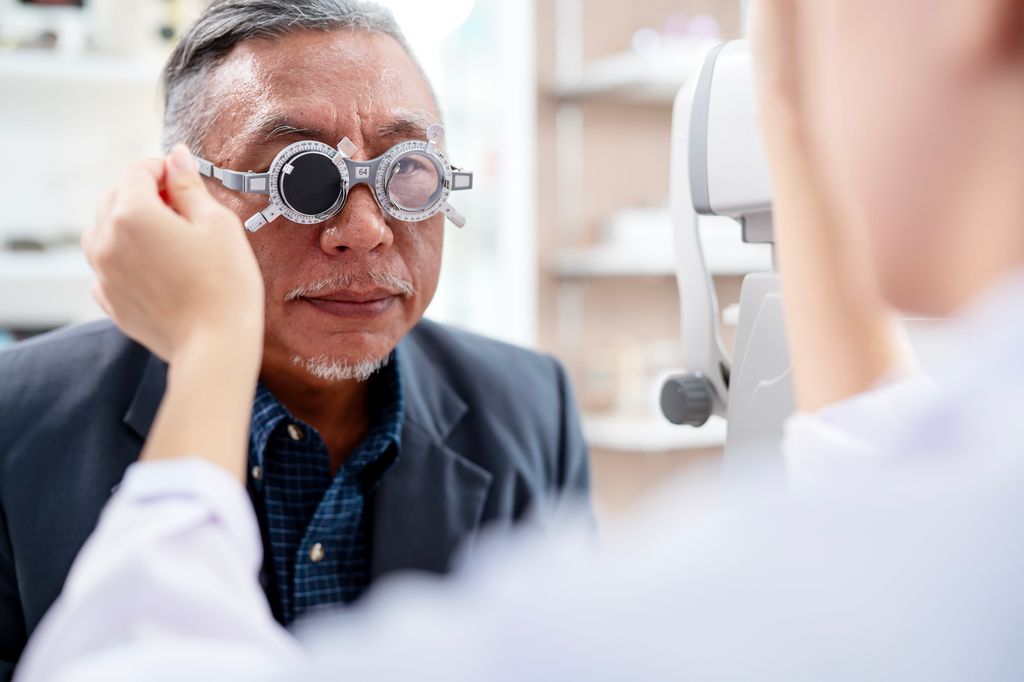
Meanwhile, getting your eyes tested regularly is also important, as Dr. Bowen shares: "The AOA recommends comprehensive eye exams annually, which allow optometrists to detect more than 270 serious health conditions, including diabetes, high blood pressure, autoimmune diseases, and cancers and identify personalised prevention plans."
How long does eye strain last?
Fortunately, eye strain is temporary and should ease relatively quickly. "Most of the time, symptoms are temporary and ease within a few hours once you rest your eyes and adjust your screen habits," Dr. Bowen says.
Dr. Meenal Agarwal, an optometrist and spatial awareness expert, adds that issues will continue unless you change your habits. "Usually minutes to a few hours once you stop the task, but if you are experiencing digital eye strain and constantly on a digital device, then it can last for days to weeks if your habits don't change," she says.
Is eye strain dangerous?
If you frequently experience eye strain, you may worry about the long-term effects on your health, but there's little cause for concern, according to Dr. Bowen.
 © Getty Images
"Some research has suggested that smartphone use may be a risk factor for longer-term issues like dry eye syndrome. However, in most cases, eye strain isn’t dangerous and doesn’t cause permanent vision damage. It’s simply a sign that your visual system is fatigued, much like how your muscles feel tired after a workout," she explains.
"That said, persistent or worsening symptoms can indicate an underlying issue such as uncorrected vision, chronic dryness, or other eye conditions, and that’s when an eye exam is important."
The effects of blue light exposure should be considered, too. "While excessive blue light exposure may affect melatonin release and disrupt sleep cycles, there is no evidence that blue light from digital devices increases the risk of eye damage. The most noticeable effect of device-related blue light is often glare or haze, particularly for people with developing cataracts," the expert says.
"In contrast, the greatest source of short-wavelength (blue) light is sunlight, which far exceeds what is emitted by phones, tablets, or computers. (Typical screens emit at most about 1/100th the amount of blue light as in sunlight.) Excessive sun exposure is a well-known risk factor for several eye conditions, including age-related macular degeneration, cataracts, pterygia, photokeratitis, carcinoma, and retinal damage."
According to the optometrist, the most important thing you can do is see a doctor of optometry for a care plan that is personalised to your lifestyle. "This may include prescription glasses specifically designed for screen time, education on digital device use, setup and strategies unique to your needs, and medication management, including eye drops," Dr. Bowen says.