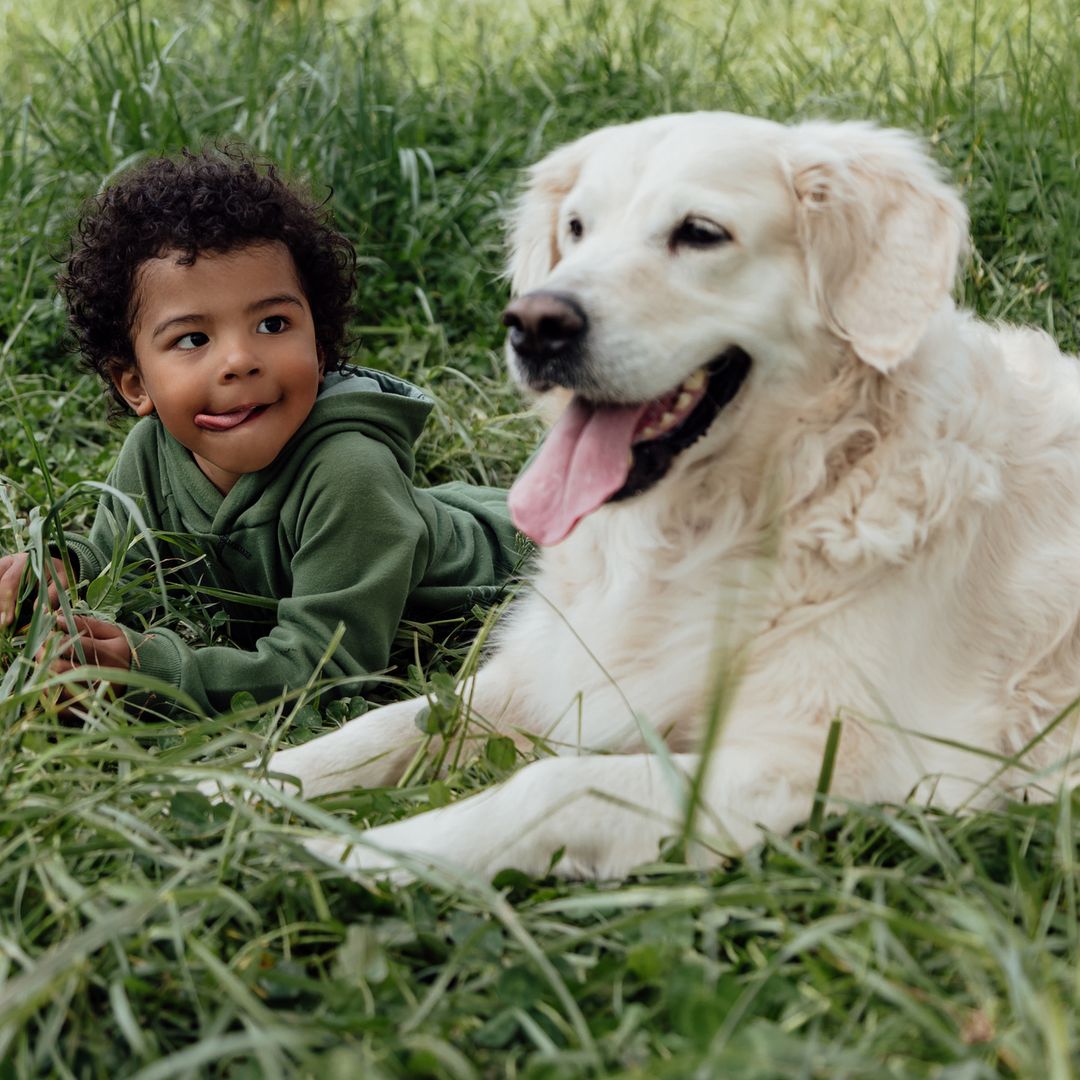

Dog owners in the UK are facing a growing problem as more pets are becoming overweight. A report in The Guardian stated that 50 per cent of dogs and 43 per cent of cats in the UK are overweight, but some breeds are more susceptible to carrying extra weight than others. And while many pet owners out there are devoted to making sure their furry friend is cared for, some habits need 'unlearning', according to experts and veterinarians. The publication also noted a growing trend in veterinary medicine: the development of weight-loss treatments for pets, inspired by human medications like GLP-1 mimics.
Vet Nurse Rachel Garbutt from Butternut Box says: "Obesity in dogs is defined as a body condition score of 6/9 or higher, and it’s not just a cosmetic issue; it has serious physiological consequences." Find out which breeds are prone to weight gain and how to tackle the issue without medication…
5 dog breeds susceptible to weight gain
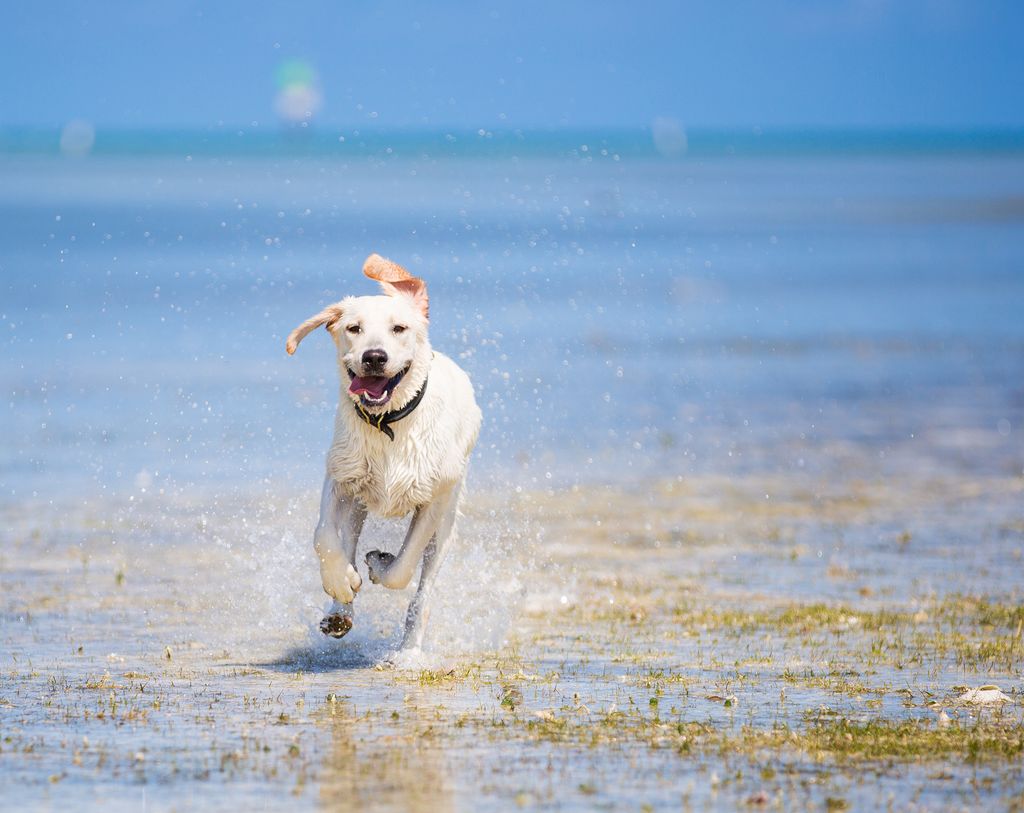
Labrador Retriever
Rachel explains that since labradors are food-motivated, their weight can sometimes be an issue. "Labradors are notoriously food-motivated and can gain weight quickly if portions aren't carefully controlled." She advises regular exercise and portioned meals to make sure the balance isn't tipped.
 © Getty Images
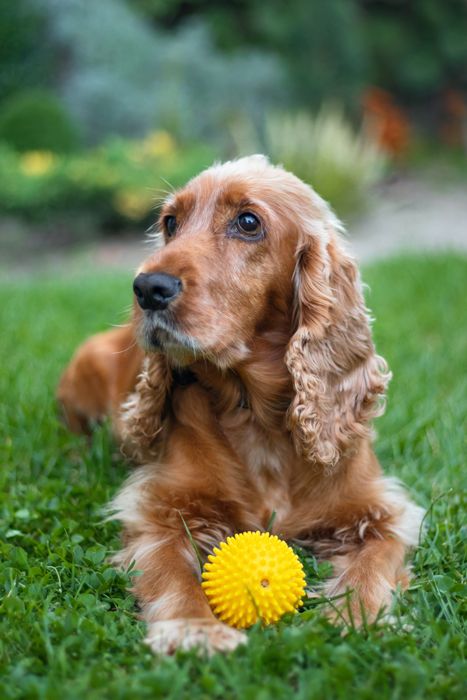
Cocker Spaniel
"These energetic dogs may still pack on pounds, particularly if their exercise routine is inconsistent or they're given too many treats," says Rachel. While rewarding can be a great tactic for dogs, be mindful of how much you're giving them, as it could be affecting their health.
 © Photo: Getty Images
Beagle
Beagles are a breed that love their food, Racel says. "They have a hearty appetite and a slower metabolism, which makes them prone to obesity if not closely monitored." Monitoring their portion control is also important for their weight.
 © Getty Images
Dachshund
When it comes to Dachshunds, they are at risk of serious complications if they carry too much weight. "Their long backs make excess weight particularly dangerous, increasing the risk of spinal injuries and joint strain," Rachel adds.
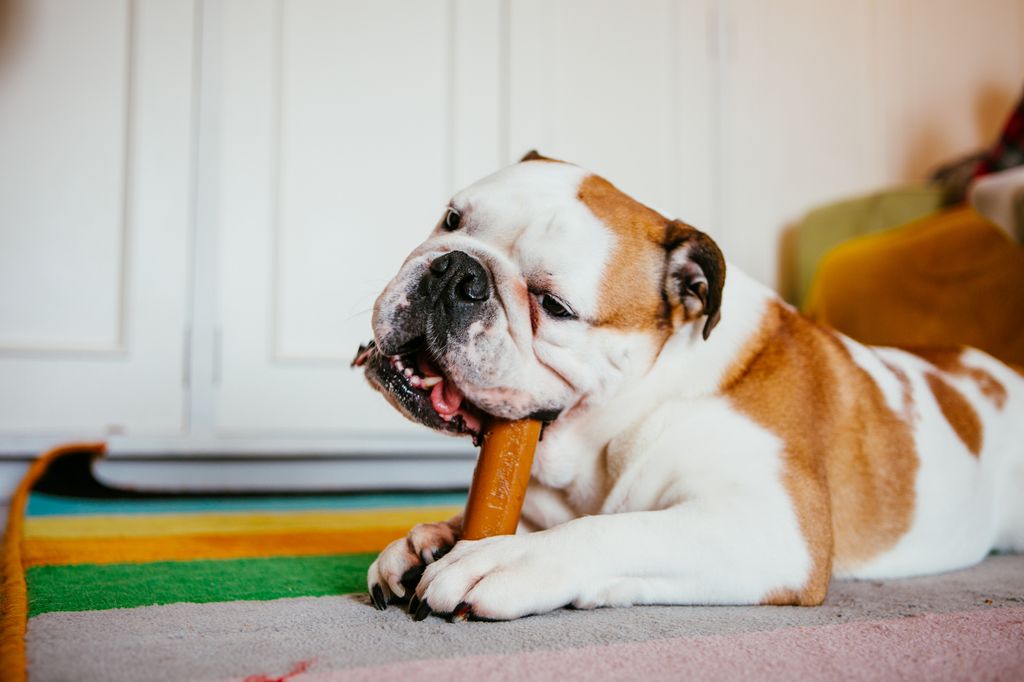
Bulldog
Bulldogs are less active by nature, according to Rachel, so even a tiny increase in their weight can have a real impact on their overall health. The expert says: "Even small increases in body weight can exacerbate breathing issues and mobility problems."
 © Getty Images
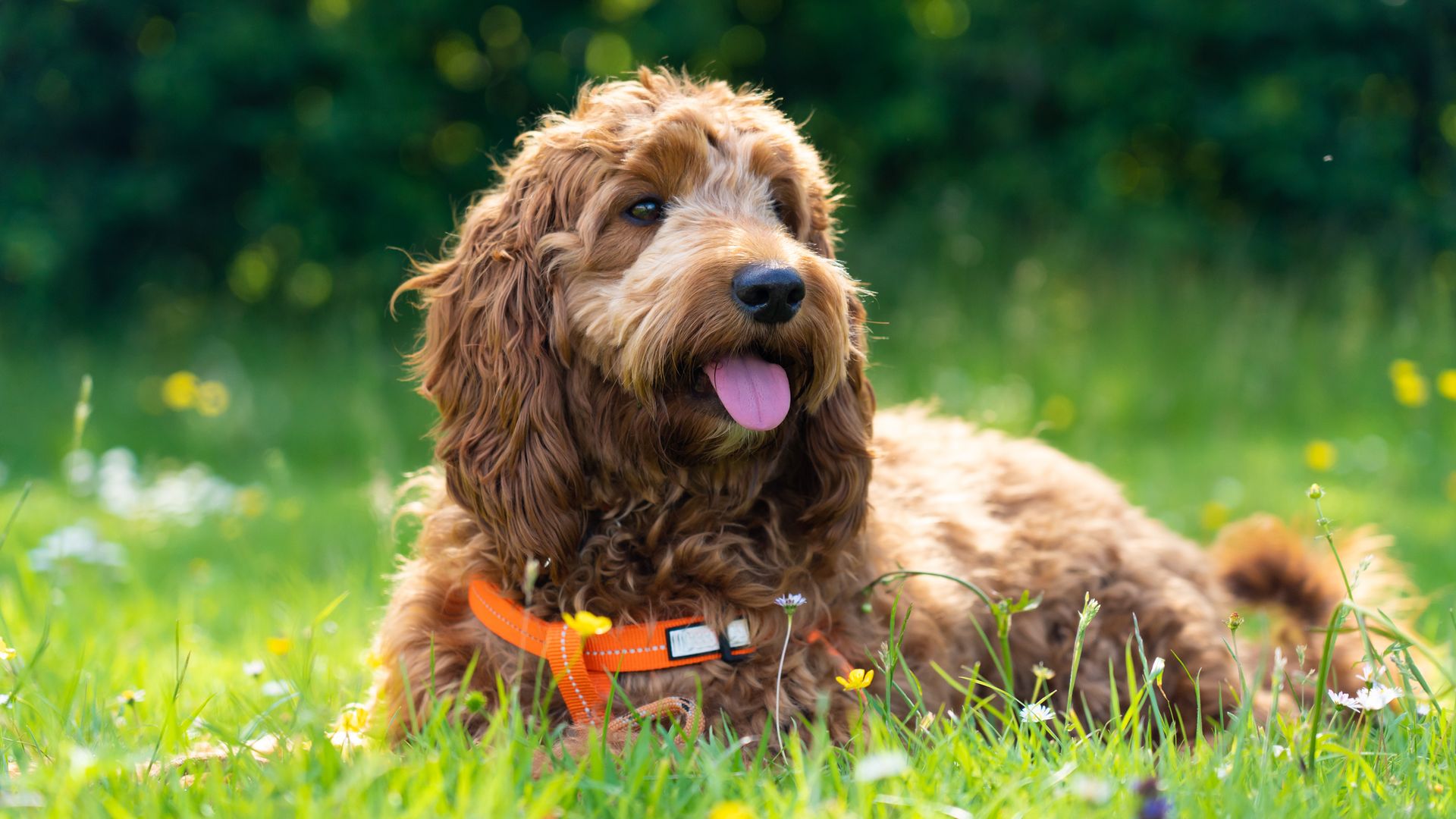
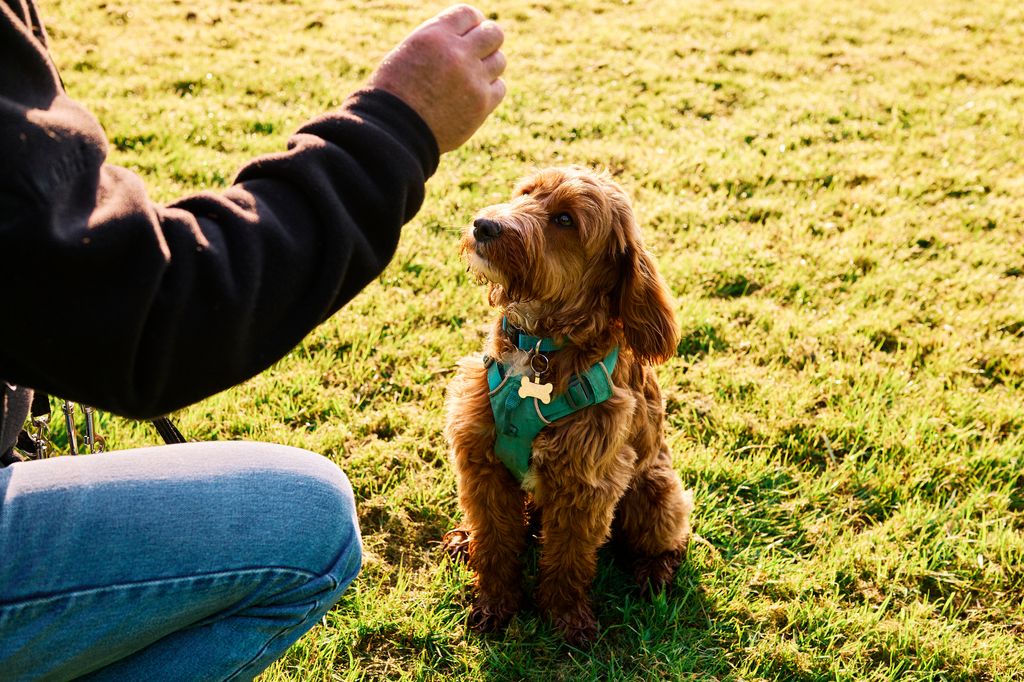
Cockapoos
Dr. Suzanne Moyes, who recently partnered with the dog nutrition experts at Green Pantry to offer advice for pet owners, explains that cockapoos are prone to weight gain and that obesity is one of the main health issues they face. "This is easily remedied with a healthy and balanced diet and ensuring everybody is aligned on what the dog should and should not be fed. As tempting as it can be to slip your pet some food from your plate, this is one of the leading causes of obesity in dogs, and it can, in turn, lead to other health issues such as joint issues and diabetes."
How to prevent dog obesity
As Dr Suzanne Moyes explained, being strict with your dog's diet and ensuring a competent exercise regime can help keep dog obesity at bay. Rachel adds: "Properly balanced nutrition is one of the most effective ways to help a dog maintain or reach an ideal weight. Helping your pooch get there doesn't have to be complicated. Often, simply reducing their daily calorie intake by 10 to 20 per cent can make a noticeable difference. We know how much our four-legged friends love their treats (and why shouldn't they!), but the key is to cut back on the amount they get each day and swap them for healthier, low-fat alternatives."
 © Getty Images
Implications of dog obesity
A small amount of weight can seem harmless, but it's important to note that it can 'snowball' over time. Rachel explains: "By the age of five or six, an overweight dog could be facing serious health challenges, from joint degeneration and heart strain to digestive problems and even reduced immune function. That's why early intervention, appropriate nutrition, and regular exercise are so crucial."
Dr Suzanne Moyes adds that when it comes to cockapoos, there's more to the story. "Hip dysplasia is also a common problem with Cockapoos, an issue that can be exacerbated by obesity. Try to ensure they get regular exercise, and you could consider complementary therapeutic regimes such as hydrotherapy or laser therapy.
"While it is good to be aware of these conditions, they are by no means guaranteed. As with humans, all dogs are unique, and though some may suffer from these conditions, with the correct care and management, these dogs will go on to lead happy lives."