If you're a dog owner, you'll likely be aware that there are some foods out there that are detrimental to your pet's health. But even the most stringent owner can sometimes find that their dog has managed to get their paws on things that they shouldn't be eating. It can often be the way that your beloved pet has managed to consume food that falls on the floor, or from plates, without realising, meaning it's almost impossible to ensure that they don't ever come across anything that could be potentially poisonous.
There are some foods that might be obvious to dog owners that are a no-go, such as chocolate or grapes; however, there might be some foods that you weren't aware of that can pose a risk. The first and most important step is to have all of the knowledge and information to ensure you're keeping on top of your animal's health.
Find out which foods your pet should swerve at all costs…
 © Getty Images
Chocolate
Chocolate is a delicious treat for us humans, but it causes harm to our furry friends. It is poisonous for both dogs and cats due to the chemical makeup of the sweet treat. Chocolate contains theobromine, which they cannot ingest properly, causing stomach problems. It can also cause kidney failure. Dark chocolate is especially toxic because it contains higher levels of theobromine. Keep chocolatey treats high up and far away from their access, even ones in wrappers.
 © Getty Images
Grapes
Grapes (and raisins) are particularly important to avoid, as even a small amount can make your dog seriously ill, most notably, putting them at risk of kidney failure.
The exact toxin that causes trouble for dogs isn't known; however, symptoms kick in within 24 hours. If your dog ingests grapes or raisins, then you might notice them suffering from vomiting and diarrhoea, stomach pain and excessive urination.
 © Getty Images
Onion, garlic and chives
Qualified vet Dr Suzanne Moyes, who partnered with natural dog food specialists, Green Pantry, explained why it's imperative that your dog steers clear of onions.
"A common staple around the home, onions can be toxic to dogs even in small amounts. Though they may seem innocent, onions are toxic to dogs and can cause gastrointestinal issues and even lead to further damage to your dog's health."
"Guidance from the FEDIAF (European Pet Food Industry Federation) advises against feeding any onion to your pet, as it can risk damaging their red blood cells by causing oxidative stress. This leads to Heinz body formation, which can result in the risk of haemolytic anaemia for your pet."
Garlic, meanwhile, contains sulfoxides and disulfides, which can damage red blood cells and cause anaemia. Chives and leeks also contain a similar toxin, which causes the same issue.
In a report reviewed by vet Anna Ewers Clark, Blue Cross charity advises: "If anaemia sets in due to poisoning, your dog may become lethargic or have trouble breathing. You may also notice pale gums.
"Since these vegetables are often used in cooking, it's important not to share your meals with your dog just in case. If you've planted these vegetables in your garden, you should also make sure to fence them off from dogs who may be tempted."
 © Getty Images
Avocado
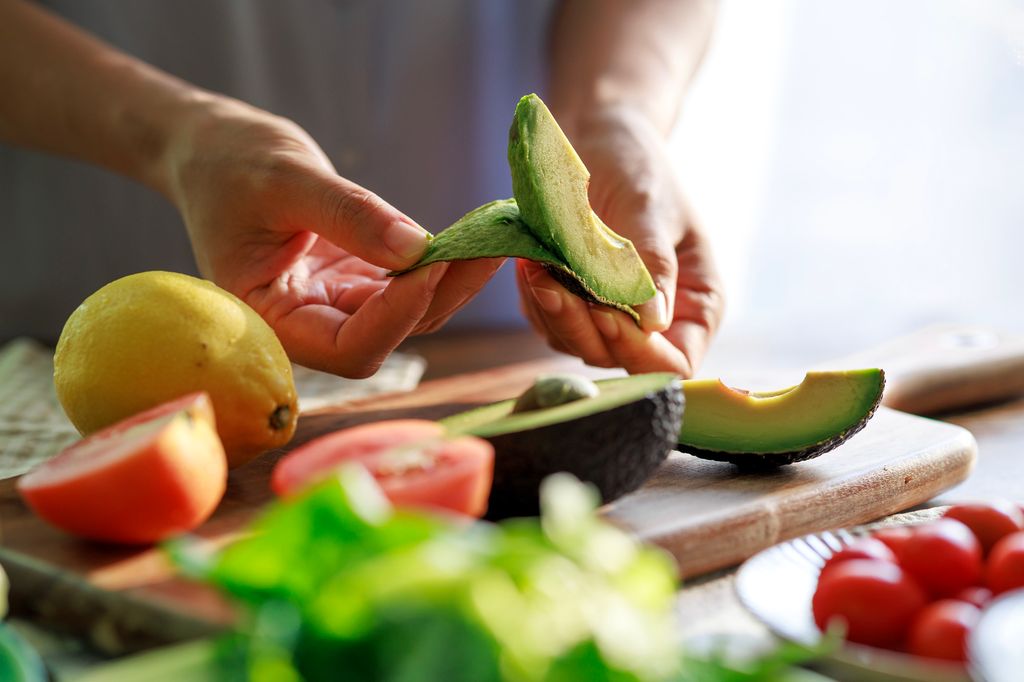
Avocados contain a toxin called Persin, which is poisonous to dogs if consumed. It's not the most dangerous toxin of the bunch, but it's still better to swerve entirely since it has been known to cause illness. Avocados also contain high fat levels, which can make your dog ill or, in some cases, cause pancreatitis.
 © Getty Images
Cooked bones
When we think of dogs, we often think of bones, as they make great chew toys for our pets. However, if you want to give your dog a bone, it's essential that it hasn't been cooked. A guide from Battersea Cats and Dogs Home says: "Avoid cooked bones at all costs. These can easily splinter and, in large quantities, cause constipation or, at worst, a perforation of the gut, which can be fatal."
 © Photo: iStock
Xylitol
While it's not a household ingredient that many people would instantly recognise, Xylitol is used in many foods as an artificial sweetener. Dr Moyes says: "This artificial sweetener sneaks its way into all sorts of foods – from peanut butter to jellies and jams and is highly toxic to canines.
"After a dog consumes a significant amount of xylitol, there is a massive release of insulin from the pancreas. This, in turn, results in a dangerously low blood sugar level and symptoms such as weakness, trembling, seizures, collapse, and even death."
It's also present in confectionery and chewing gum.
 © Getty Images
Macadamia nuts
Macadamia nuts, even in small amounts, can be seriously harmful to your dogs as they also contain toxins that they cannot tolerate. Symptoms can start within three to six hours. Macadamia nuts are also high in fat and can lead to pancreatitis.
The Blue Cross states that if your dog has consumed any of these foods, even in small amounts, contact your vet immediately, as fast action is more likely to result in a positive outcome.
 © Getty Images
Leftovers that are safe to feed your dog
You might be wondering what your dog can consume. Laura Ward, Pet Nutritionist at Green Pantry, says: "While most human food can be toxic or too rich for dogs and contain high levels of fat, salt and seasonings that can be tough for them to digest, there are actually certain foods and leftovers that are safe to give to your dog."
Laura explains: "You can share certain scraps of fresh fruit (not grapes) and vegetables (not onions) as these are high in water and a good source of fibre.
"For dogs who are picky drinkers, this can be a great way to support their water intake. Just remember not to share large amounts, as this could result in gastrointestinal upset.
"Lean meat is also a great treat for your pooch. For example, lean chicken, turkey, fish or beef are great sources of protein."