
Fireworks night can be a great night out for the whole family, filled with fun rides, wrapping up warm with hot drinks, and a dazzling display full of crowd-pleasing rockets and Catherine wheels. But anyone with pets at home will know that it's probably their least favourite night of the year. Many dogs and cats find fireworks night difficult and can be wracked with fear and anxiety, making them act out of the ordinary or retreat into themselves. Fortunately, there are ways to make them feel a little more settled.
An RSPCA poll stated 62 per cent of dogs will become distressed due to the loud noise caused by fireworks this year. With the return of large events, meaning firework displays will be bigger and better than ever, and a further RSPCA poll revealing that 52 per cent of UK adults will be holding private displays at home, it's never been more important to think about how to protect your pet this Bonfire Night.
Here are some expert-led tips on how you can ensure your dog or cat is feeling a little calmer this fireworks season.
Adjust their routine in preparation
Routine is key with dogs, especially, but adapting for the annual occasion is wise. Professional dog trainer Phil Legood, who has worked with experts at Green Pantry, says the preparation needs to start in the lead-up to bonfire night, essentially suggesting that they shouldn't be taken out when it's dark.
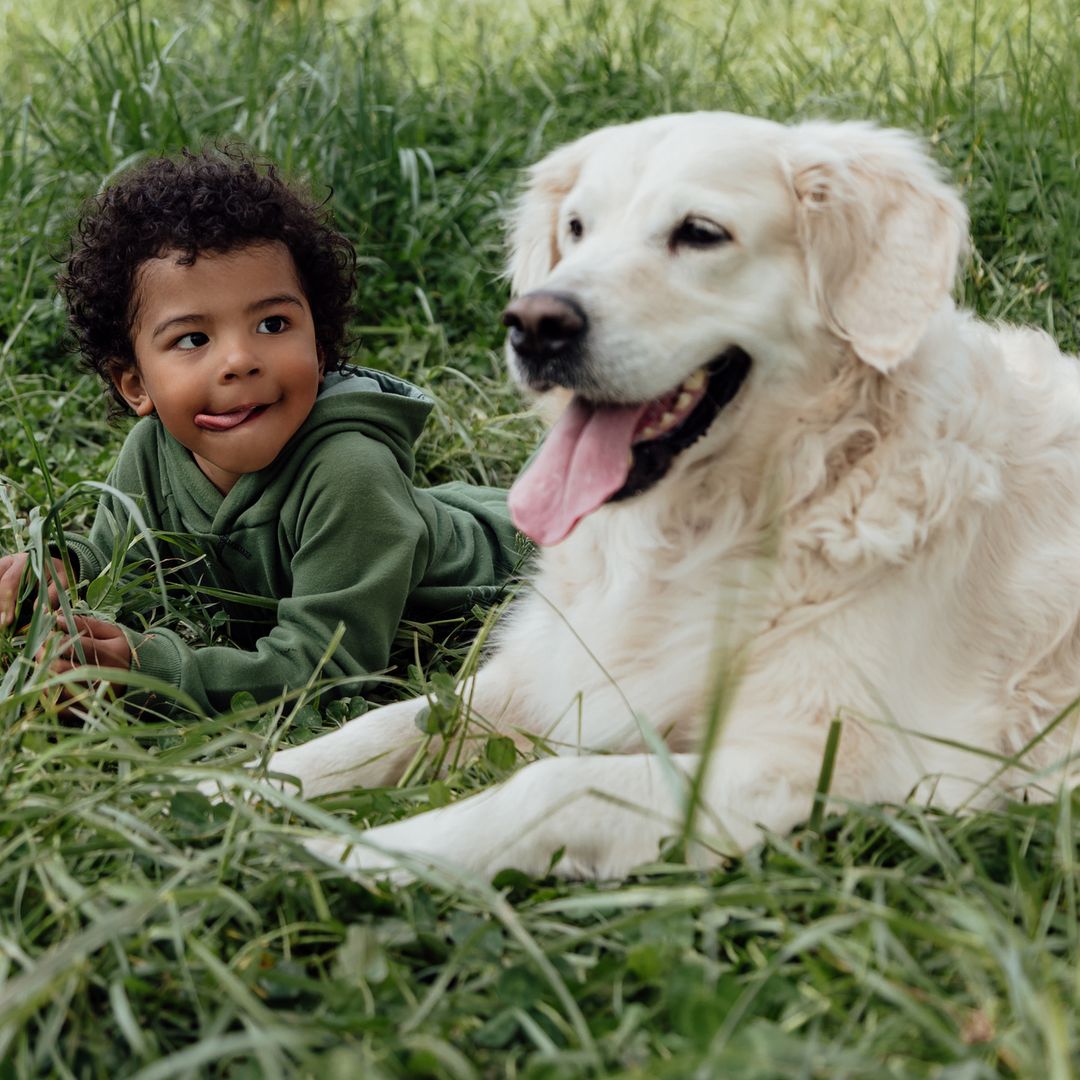
"On the days leading up to bonfire night and the day itself, make sure to avoid taking your dog out on a walk after dark, to avoid encountering fireworks being let off. Make sure your dog has had a walk and eaten before the fireworks begin. This will help to tire them out and ensure that they are inside and settled when the fireworks start."
 © Getty Images/iStockphoto
Keep them company
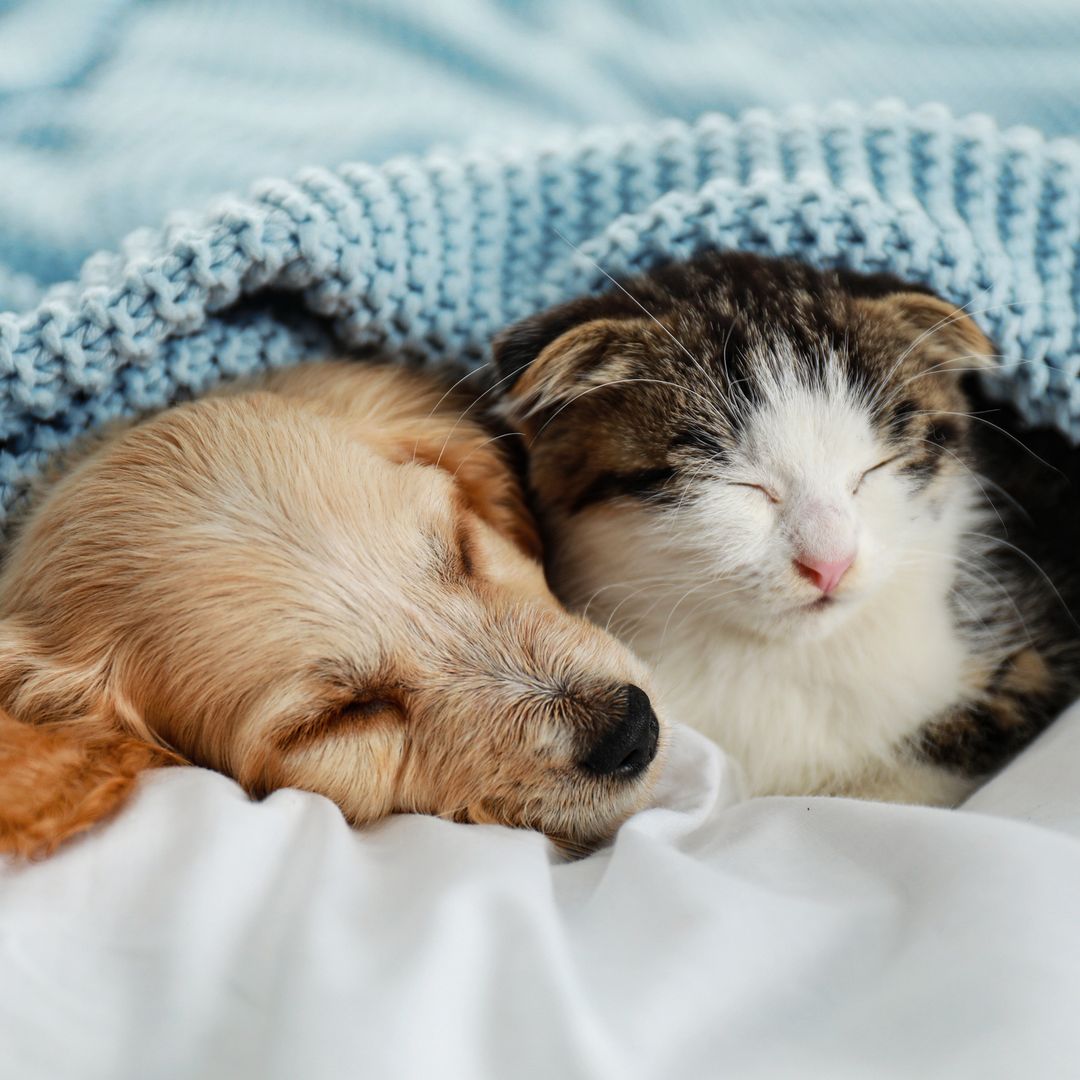
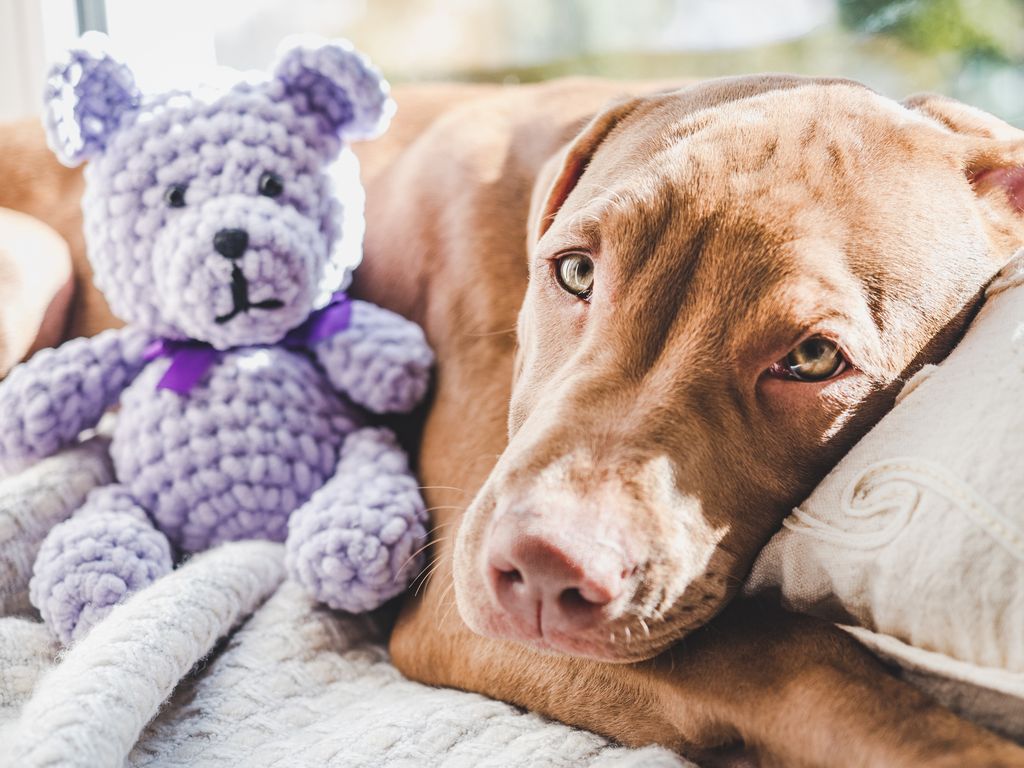
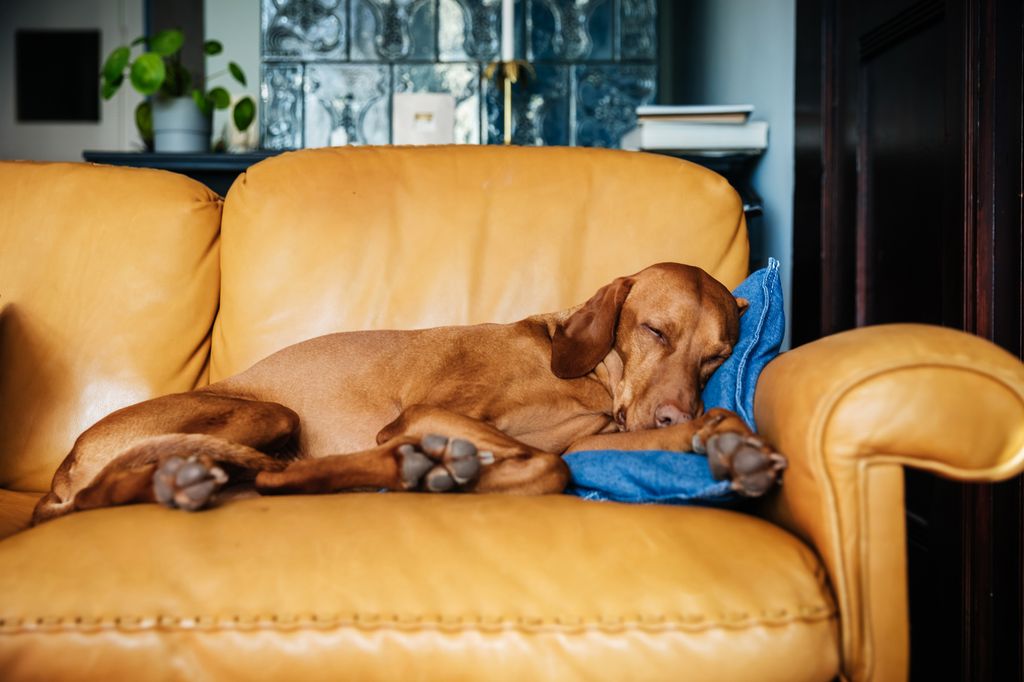
You'll likely be naturally inclined to stick by your pet's side to comfort them when the fireworks are going off outside as a form of protection. This is crucial when it comes to dogs; cats might often go off and hide on their own (more on that later). It's also vital that you close off escape routes.
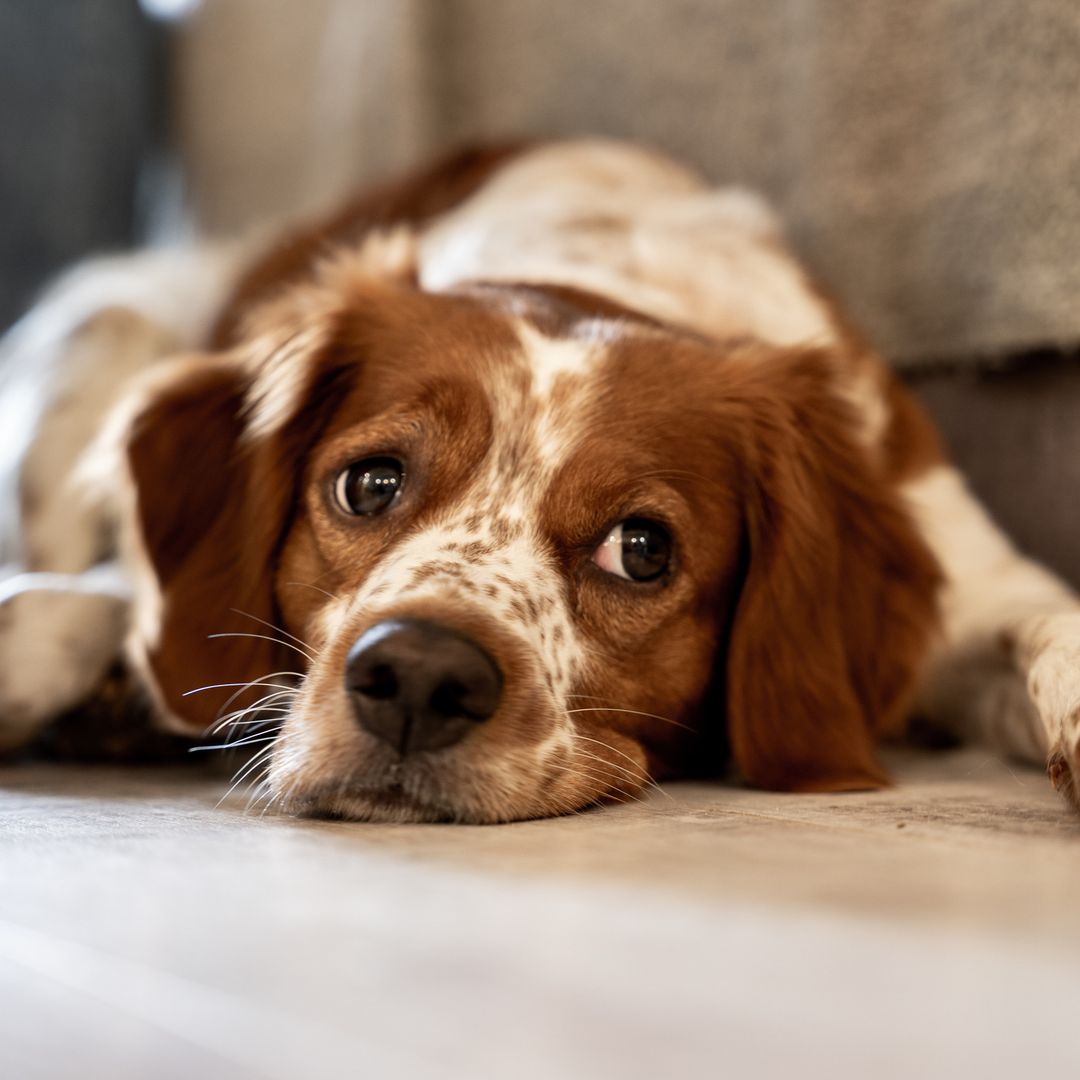
"Your dog or cat could panic if left alone on bonfire night, so always make sure you stay with your pet, to help them relax," advised Phil. "It's always a good idea to make sure your house and garden are escape-proof too, as your pet could try to run away if they get spooked, so make sure doors, windows and fences are secure."
 © Getty Images
Close the curtains
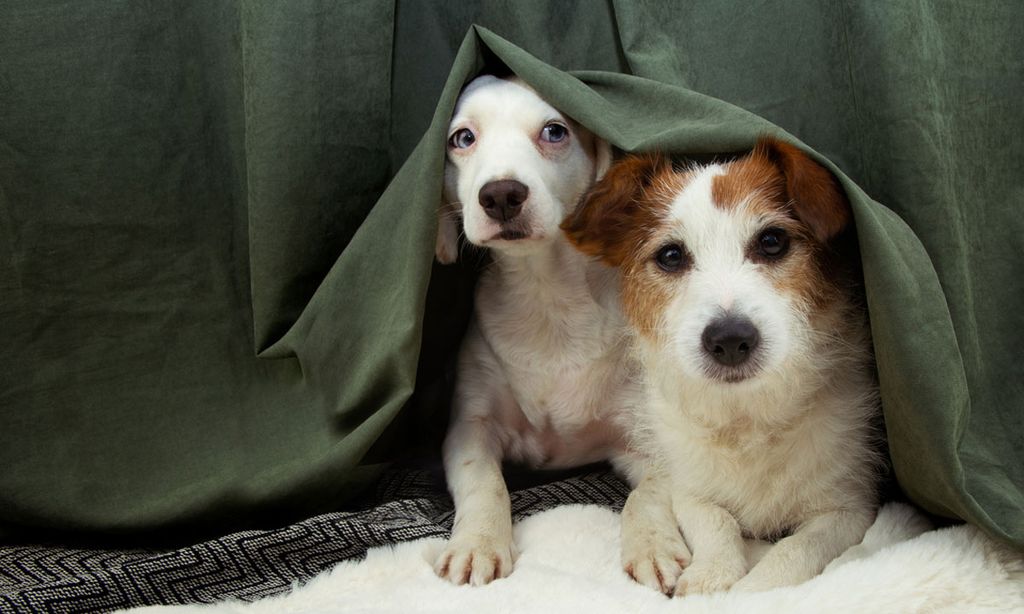
It sounds obvious, but it's not just the noise that could upset your pet; the flashes are likely going to stress them, too, and could even trigger a behavioural reaction. Make sure the curtains are closed to block out light and put on the TV or music to help disguise the noise.
 © Getty Images
Create hiding spaces for cats
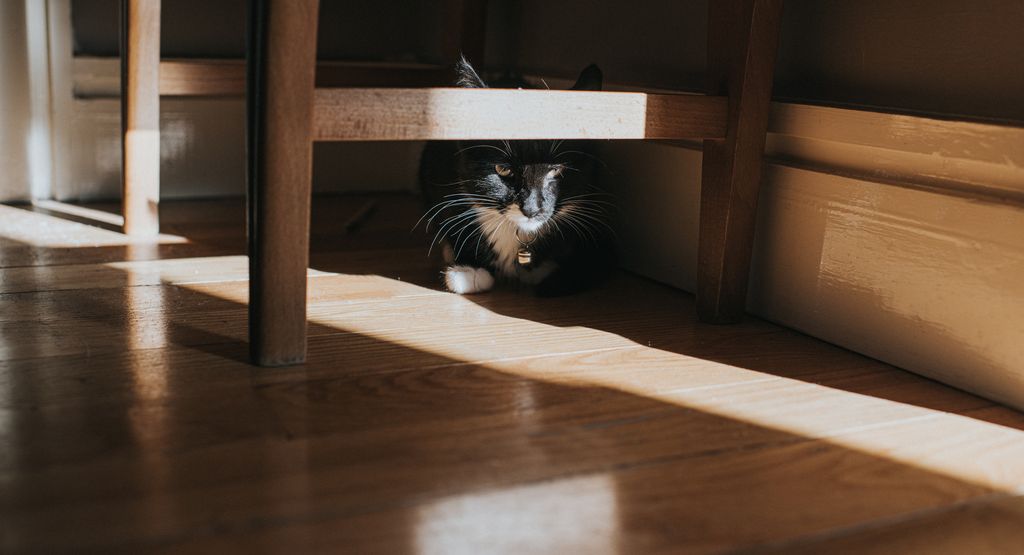
While your dog might cuddle up to you for comfort, some cats are much more independent, but they still get spooked by fireworks. I remember my childhood cat hiding under the dining room table all night during firework night and wouldn't come out for comforting. It's usually the case that they want to be left alone in their chosen hiding place, but ensure to keep an eye on how they're doing and make sure you know where they are at all times.
 © Getty Images
Don't underestimate their diet's impact
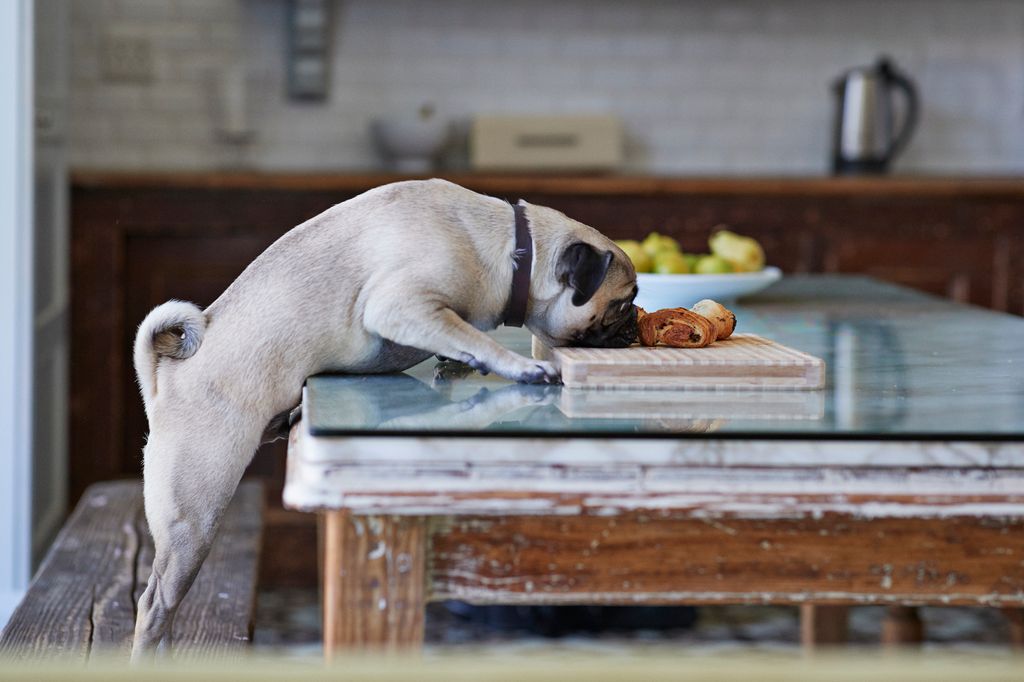
A dog's diet can impact their stress levels, so be wary of what you give them. Some foods contain Valerian and Hemp, which are natural relaxants, or you can buy supplements to sprinkle over their regular food.
 © Getty Images
Act accordingly
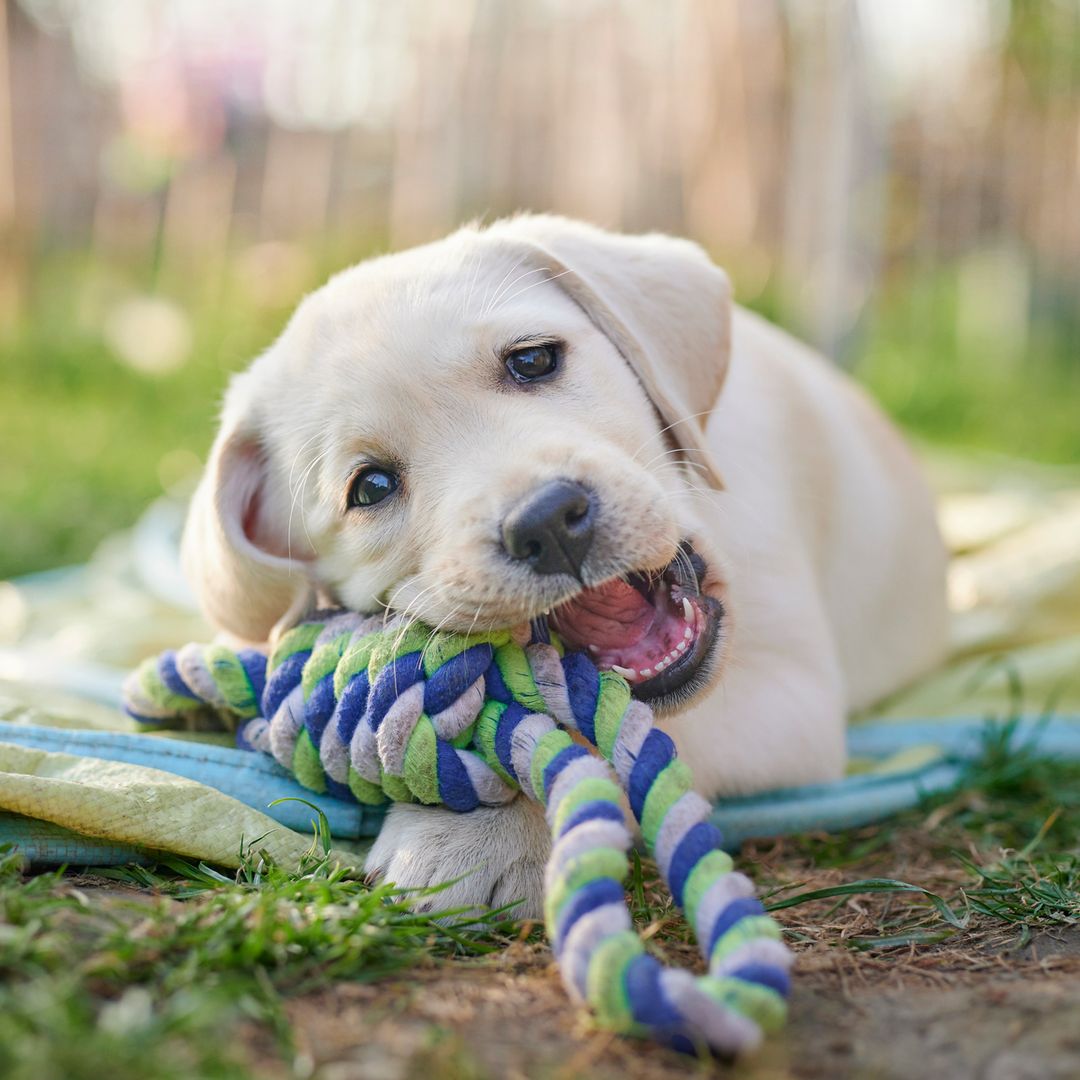
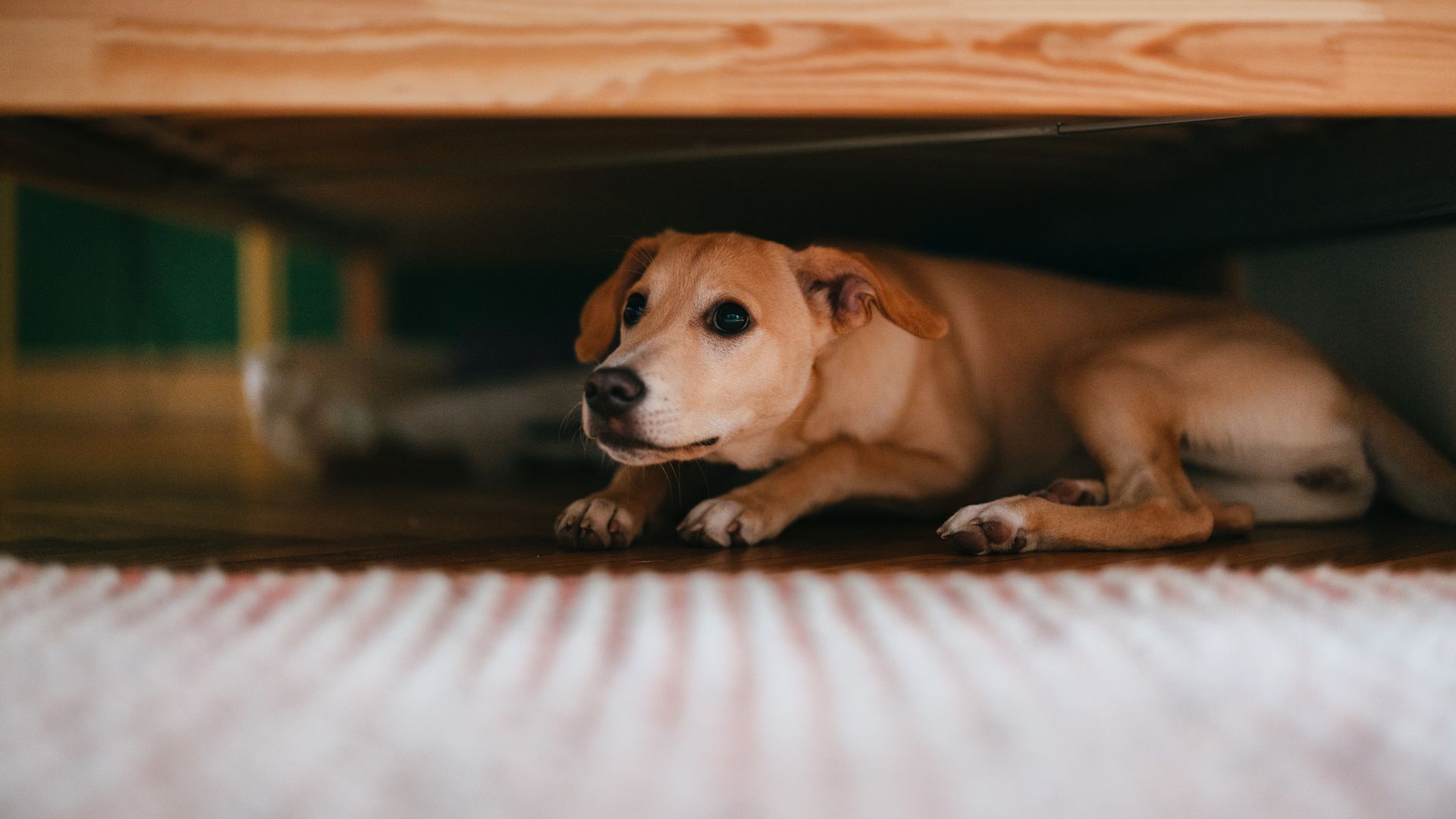
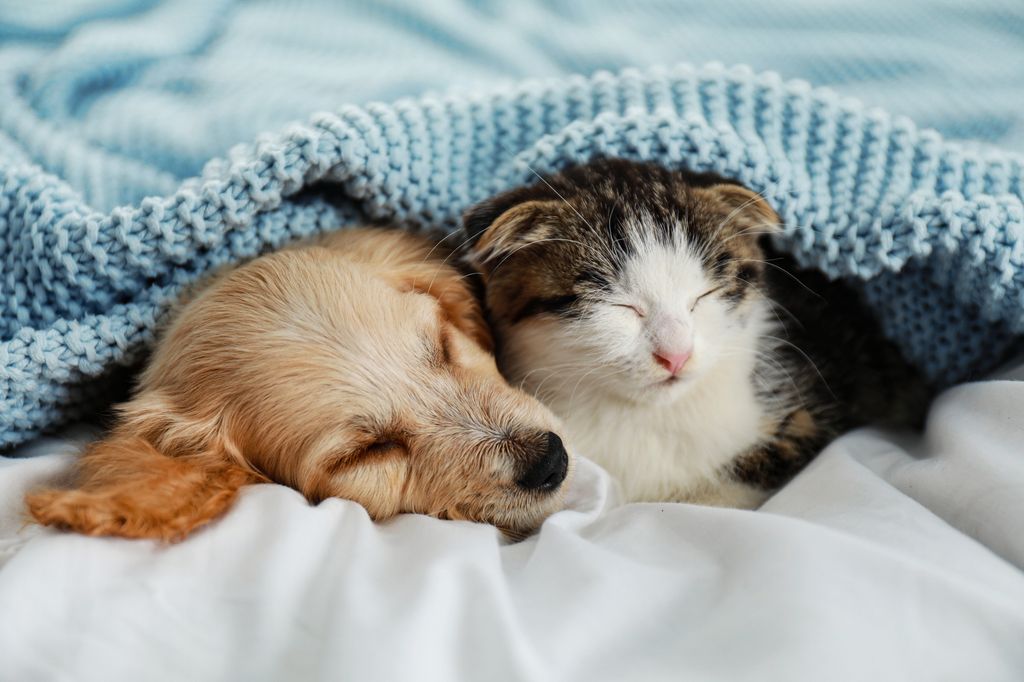
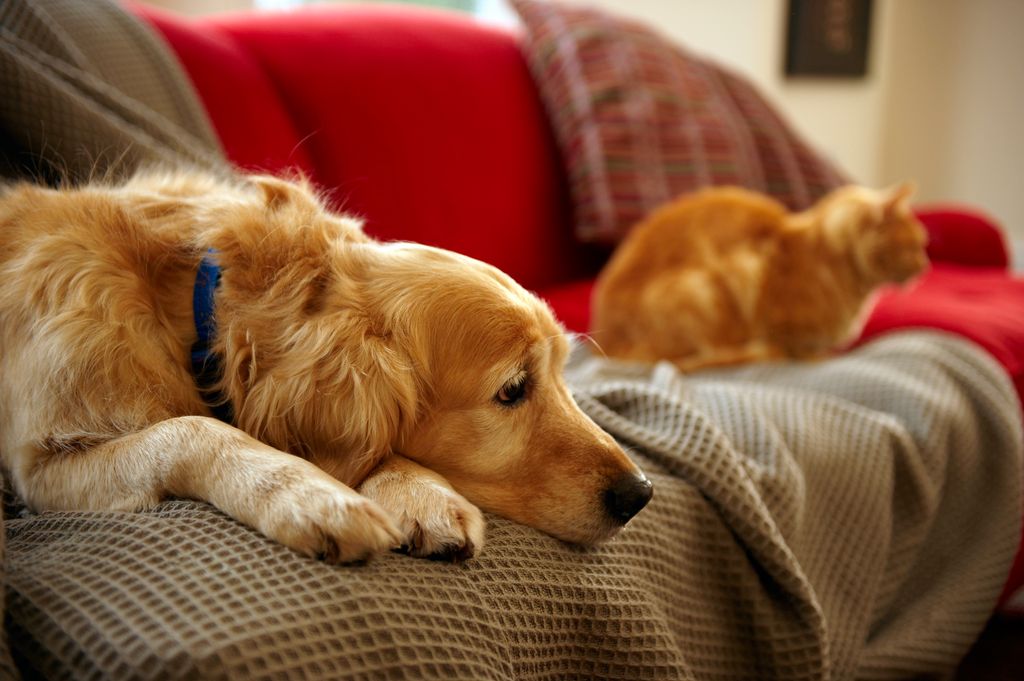
Phil explains it's important to observe your dog's behaviour and act accordingly, swiftly. "For example, if your dog wants to hide, let them stay where they feel safe. If they seek reassurance, calmly give them attention and comfort to help ease their anxiety. Your dog might be unbothered by the noises. To help keep it this way, keep them busy with their favourite toys to further distract them.
"Your dog might make a mess by accident if they get stressed. While typically you should discipline your dog for this, avoid telling them off during fireworks, as this might make them feel more scared."
 © Getty Images
Use a pheromone diffuser
Stress-reducing pheromone diffusers can help keep anxiety-prone pets calm. A natural aromatherapy diffuser works with your pooch's own natural calming mechanisms by mimicking GABA (gamma-aminobutyric acid), which is a natural calming agent present in all mammals, birds, and reptiles.