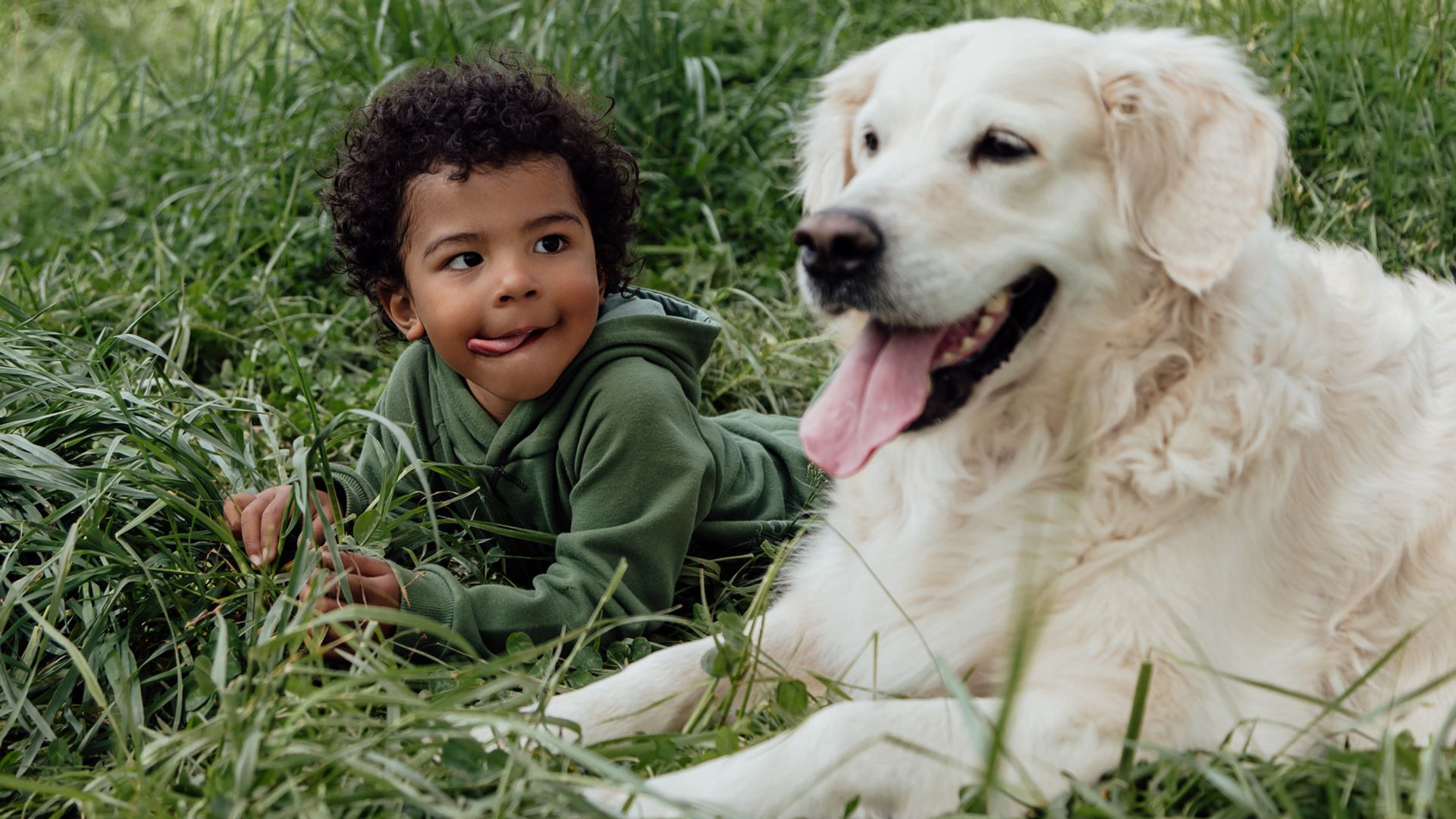
Bringing a new dog into the home is a hugely exciting time for the whole family, especially if you have children. Your little ones have likely been dreaming about the moment they meet their new best friend for as long as they can remember, and it's so heartwarming to see their bond come to life. However, keep in mind that it can be an overwhelming time for everyone involved, so parents and new owners must be aware of how best to integrate a dog into the family home where children are present.
It's especially important if you have toddlers and very young children at home, though it's crucial to supervise at all ages. Here are some tips on how to navigate the time, and some mistakes that are best avoided…
Start by keeping them apart
It might sound counterintuitive, but it's important not to throw either party in the deep end, as this could backfire. Esteemed animal charity, Battersea Dogs and Cats Home, advises keeping them separate to begin with and introducing short stints of interaction, before increasing the time they spend together over time.
"Ensure that both your dog and your child have safe spaces that neither can access. A playpen for your child, a crate for your dog, and the use of baby gates are excellent ways of achieving this. You can still introduce them to each other this way, where they can see, hear and interact with each other, but equally have their own space to relax and enjoy their own activities."
Vet Dr Suzanne Moyes agrees, and adds: "Teach your children not to disturb your dog while they are sleeping, too. A good way to explain this is to teach your child that your puppy or dog has a safe space, such as their crate, and this should be their private area that we're not allowed to enter."
The sniff test
Using your dog's smell instincts and holding out a hand for the pet to smell before trying to stroke them is a good way to make them familiar with the family. It's important to explain to children that it may take time and patience before the dog feels comfortable approaching them.
Dr Moyes adds that while initially being cautious is key, experience and exposure are just as crucial. "If you have a new puppy or dog, it's important to let them interact with children of all ages, just make sure that this is with close supervision.
"Make sure to reward them for calm behaviour with a treat or toy and remove them from the situation if they are getting too boisterous. These positive interactions will help your puppy feel less afraid of children, and as an adult dog, they should be relaxed and happy to be around them."
What not to do: the mistakes to avoid
Allow the child to get too excitable too quickly
Children will, of course, be super excited to meet their new furry friend, but it's important to put boundaries in place; otherwise, it could result in the dog feeling overwhelmed and acting out, potentially towards the child.
Dogs do not always appreciate being hugged or cuddled, unless they are familiar with it from an early age, so it's important to gradually determine what your new dog will accept.
Blue Cross states that the dog breed can also impact their behaviour. For example, collies have a strong herding instinct and may nip at children’s ankles.
Don't rough play
When they're young, children have the tendency to see dogs as cuddly toys, but it's important to remind them that they are not. Instead, parents should encourage kids to be gentle and avoid climbing on them and pulling on their ears or tails.
Cross boundaries
One of the benefits of children having dogs in the home is to teach them about rules, responsibilities and caring for another living being. It's important to instil these in your child as quickly as possible, especially when it comes to things like food and care for the dog.
Children can often cheekily give their dog food under the table, for example, but they may not be aware that they are giving the dog something that may cause illness or, worse, poisoning.
How dogs can benefit children's development
Sophie David, early years expert, founder of Little Happy Learners and author of 'Read, Write, Play', previously spoke to HELLO! about how a new dog in the home can benefit children's development.
"From helping with feeding to gentle play and learning when to give the puppy space, little ones begin to understand what it means to care for another living thing. It also supports their emotional regulation – puppies can be wonderfully calming companions when big feelings bubble up."
"Interacting with a pet builds communication skills, nurtures a sense of security, and often encourages more outdoor play and physical activity. It also supports language development. Children can chat away to their pets, narrating and expressing emotions in a safe, pressure-free way."
She added: "While puppies bring lots of joy, they also require time, training, and supervision, especially with young children around. It's important to teach children how to interact gently and respectfully with the puppy, and to always supervise play to ensure both child and pup feel safe and comfortable."
Friendliest dog breeds for families with young children
These breeds are known for being gentle, highly adaptive to training and compassionate; therefore, great breeds to go for if you have kids at home.
- Golden retrievers
- Cockapoos
- Border Collies
- Basset hounds