
Pregnancy is a little bit of a minefield, especially if it is your first time. From finding out your life-changing news to understanding what your body needs to take the best possible care of your unborn child, the advice is endless, and it can be challenging figuring out who to trust and what to believe.
Let's face it, we are all guilty of relying on the internet to provide us with information, particularly when it comes to health hacks. It is completely understandable that after seeing the two pink lines appear on the stick, you might feel compelled to rush to social media to ask the Instagram doctors what to do next. However, this tactic could be hindering your journey rather than helping it, as the algorithm spews out old wives' tales and misinformation during what is a very important time in your life.
That's why HELLO! has asked the experts to dispel the myths and outline what is fact and what is fiction when it comes to pregnancy advice, tips and tricks so you don't fall victim to falsehoods and misinformation while carrying your little one.
What are the most common pregnancy nutrition myths?
While there are many, many questions that float around when it comes to pregnancy dos and don'ts, there are a few common myths related to nutrition that crop up time and time again.
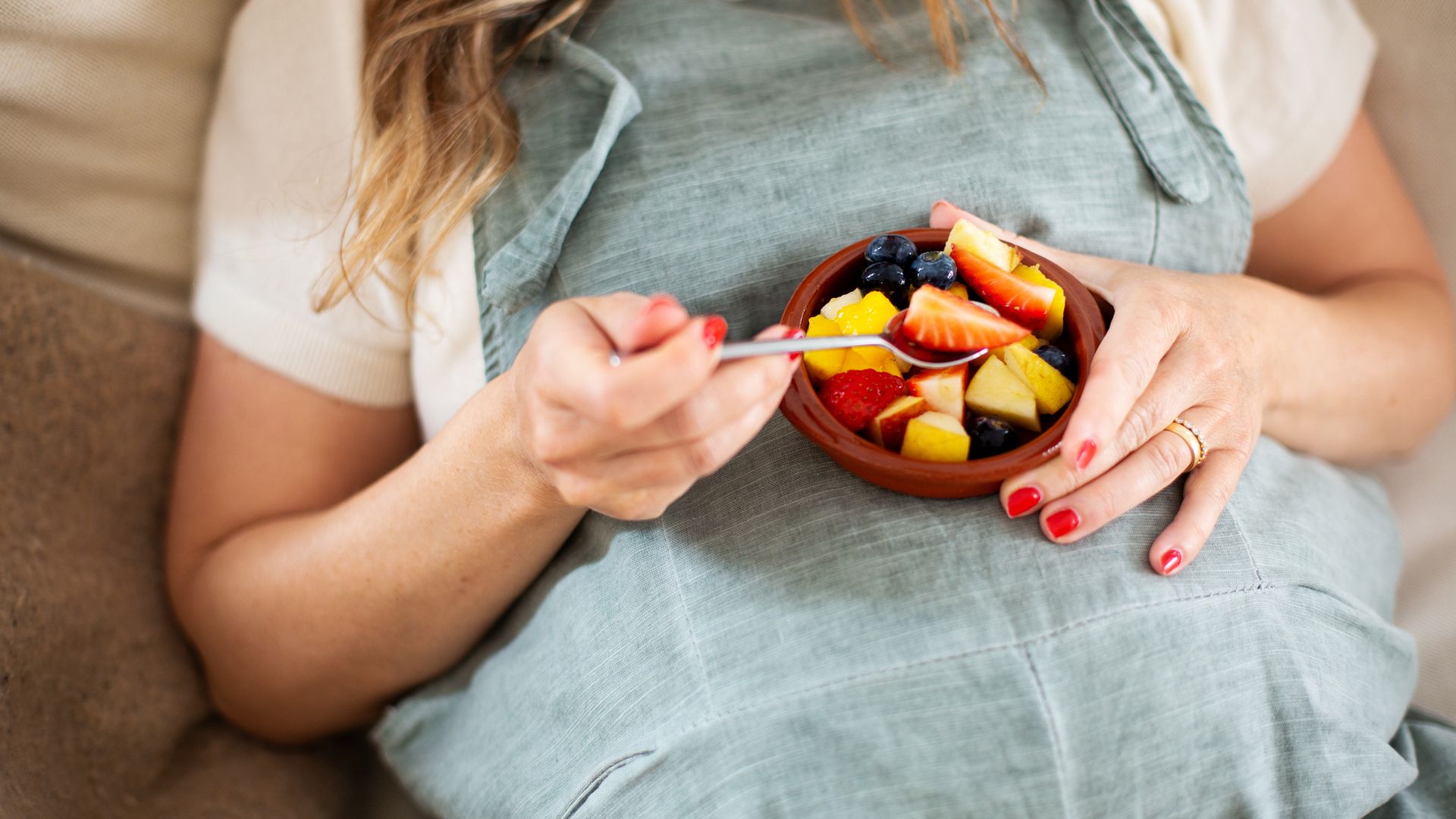
From avoiding ultra-processed foods to banning fish and ditching alcohol, there are a lot of blacklisted items that doctors advise against consuming when you are expecting a child. However, fuelling yourself with the right vitamins and minerals doesn't have to be so complicated.
According to the experts, the biggest myths are about eating for two now that you are growing another human and sticking to strict, restrictive diets and detoxes.
NHS GP and TV medic from ITV's This Morning, Dr Raj Arora, told HELLO!: "Eating for two is a common myth. While it's true that nutritional needs increase during pregnancy, it doesn't mean doubling food intake. The focus should be on nutrient density rather than quantity."
Fellow NHS GP, Dr Asimah Hanif, agreed with Dr Raj and added: "You don’t need double the food - just a little extra in the third trimester (about 200 calories). Eating a balanced diet matters more than eating more."
Next, Dr Raj commented on the idea that a detox and a strict diet are key to delivering a healthy baby. She said: "Pregnant women should avoid strict diets, especially detoxes, which can be harmful. The body needs a balanced intake of nutrients. The only items that should be avoided are those deemed harmful during pregnancy, and your doctor will usually discuss these with you, such as soft cheese, raw/undercooked meats, high mercury foods and others on the list."
Expert Dr Asimah also broke down some of the misconceptions that come with food dos and don'ts during pregnancy. She explained: "Fish is actually really good for you and the baby. Just avoid high-mercury fish like shark or swordfish, and keep oily fish to two portions a week.
"Liver is very high in vitamin A, which can be harmful to the baby. Honey is fine. The advice to avoid honey applies only to babies under one year, not adults. Ginger can help ease nausea. Up to 1 g per day is fine. Some herbs and supplements can be harmful in pregnancy. It’s always worth checking before taking anything new."
 © Getty Images
Are certain 'superfoods' or supplements essential during pregnancy?
There is no one "superfood" that is recommended during pregnancy, but rather a whole list of supplements and foods that people claim work wonders and miracles for your changing body. These include:
- Protein
- Folate (folic acid)
- Iron
- Calcium
- Vitamin D
- Choline
- Omega-3 fatty acids
Are supplements important?
However, is it necessary to add these into your diet on a daily basis, or is it just a marketing ploy to encourage bulk-buying supplement bottles? The experts weighed in and dispelled the myths.
Dr Raj said: "While certain nutrients are crucial (like folic acid, calcium, and iron), many 'superfoods' aren't strictly necessary and can be overhyped. Eating a varied and balanced diet is usually sufficient to meet these needs. Necessary supplements are typically prescribed by healthcare providers based on individual health needs."
She continued: "Over-the-counter supplements and herbal remedies should not replace prenatal nutrition. They might lack essential nutrients or even contain harmful substances. Always consult a healthcare professional before taking any supplements. For accurate and personalised advice, consulting with your doctor or a registered dietitian is highly recommended."
Mike Kocsis, founder of Balance My Hormones and hormone health expert with over 20 years experience said: "The important supplements are folic acid or methyl folate before and during early pregnancy, and vitamin D throughout. Others, like iodine, iron and omega-3, depend on your diet. More isn’t always better, so avoid taking unnecessary high-dose supplements."
 © Getty Images
Should exercise be avoided during pregnancy?
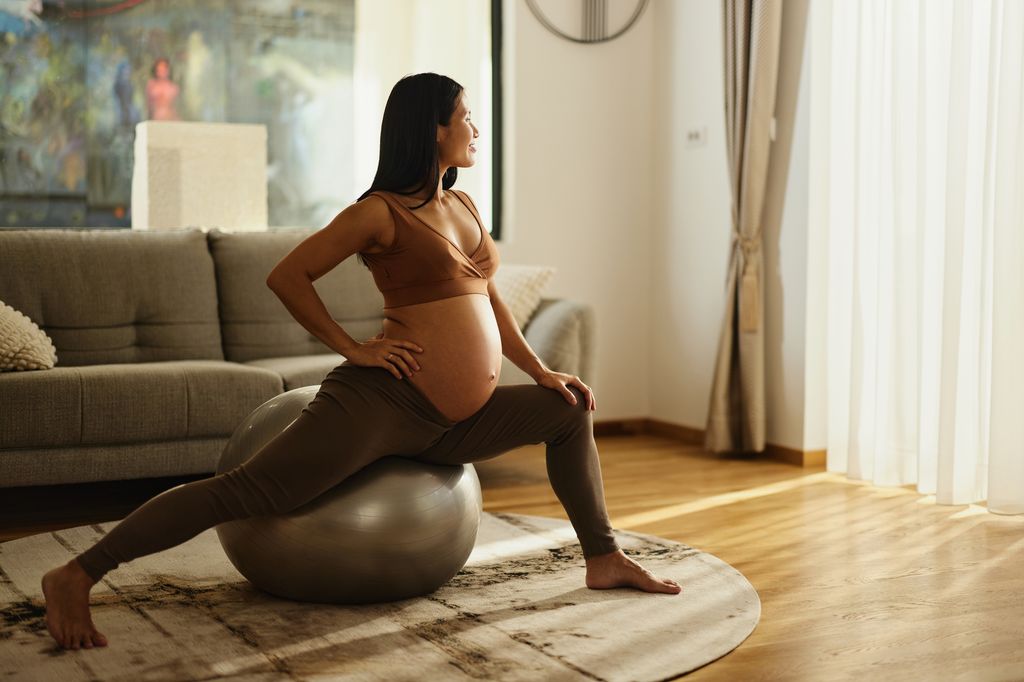
Exercise being banned is yet another myth doing the rounds and there's plenty of advice out there that suggests avoiding exercise during the course of your pregnancy. However, this isn't entirely true, as little spurts of movement are great for the body; you just have to be mindful of the type of movement you choose.
It is commonly advised that, during this period, you should avoid any exercise that could result in a fall or is too harsh for your body, such as horseback riding and contact sports. It is also advised that you don't do anything that requires lying on your back for extended periods after the 16-week mark. But how true is this advice?
Dr Raj clarified: "Staying active during pregnancy has many benefits, including improved mood, better sleep, reduced back pain, and enhanced overall fitness, which can contribute to an easier labour and delivery.
"However, it's important to tailor the exercise to be suitable for pregnancy, avoiding activities that involve a high risk of falling or abdominal trauma. Low-impact activities like walking, swimming, and prenatal yoga are generally safe and beneficial. As always, it's best for pregnant individuals to consult with their doctor/midwife to develop a safe and effective exercise plan tailored to their personal health needs and pregnancy stage."
 © Getty Images
Should coffee be avoided during pregnancy?
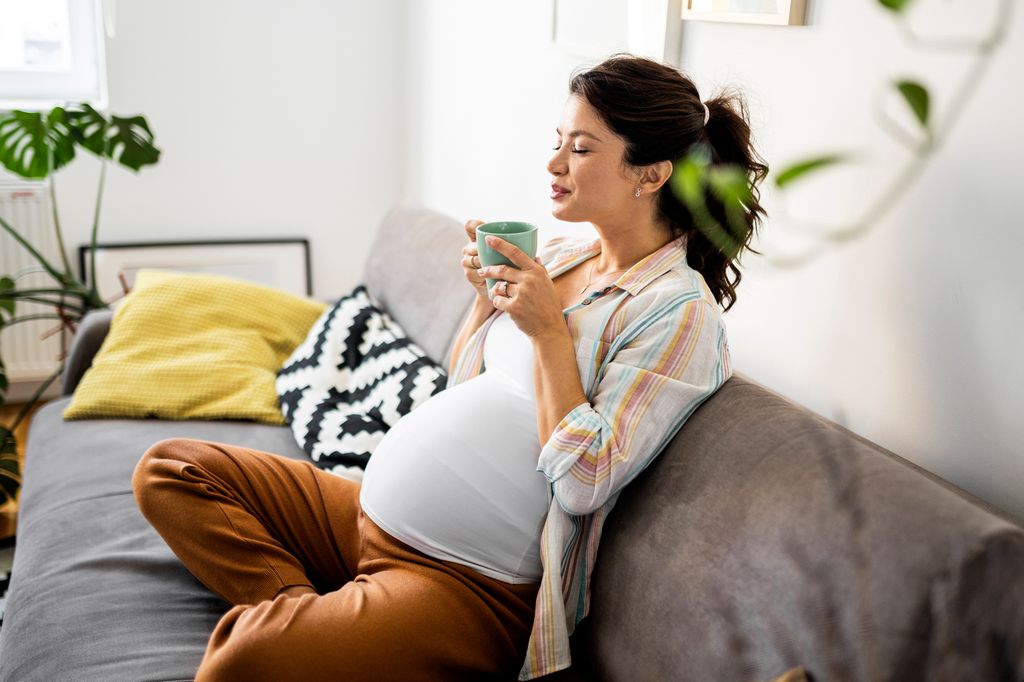
The stinger for most people is a widespread idea perpetuated by pop culture that pregnant people cannot drink coffee for the full nine months of their term. It is thought that too much caffeine can risk miscarriage, stillbirth, low birth weight, and may restrict blood flow to the fetus.
However, Dr Raj highlighted that this is actually a "misconception". She elaborated: "Avoiding coffee altogether is another misconception. Current UK guidance from the NHS and the RCOG is that women can safely consume up to 200mg of caffeine daily, while internationally the WHO sets the safe limit at below 300mg.
"Current research evidence shows that there is a link between high caffeine consumption (>300mg a day) and lower birthweight and preterm birth. Therefore, it is very important to take in moderation and within the limit."
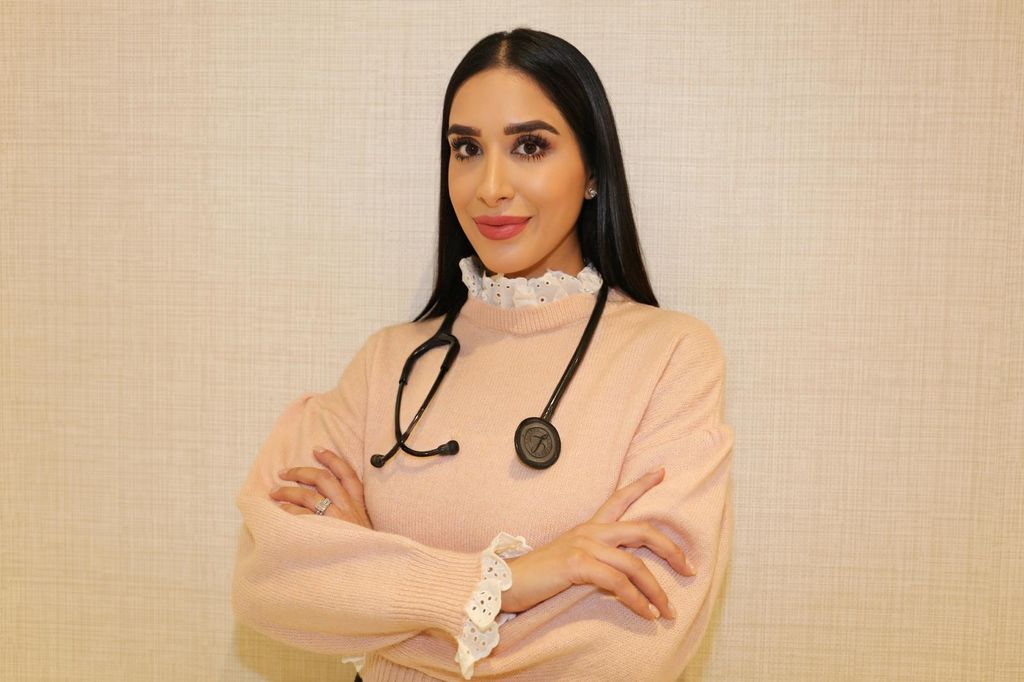
Dr Raj is our NHS expert debunking pregnancy myths and resident medic on ITV's This Morning
Mike Kocsis is a health hormone expert with 20 years of experience. He also founded Balance My Hormones to help men and women in the UK and Europe through the journey of hormone treatments

Dr Asimah is a General Practitioner for the NHS, with over a decade of medical experience. She achieved Membership of the Royal College of General Practitioners (MRCGP) in 2016