If you’re feeling the weight of the Ozempic effect, you’re not alone.
The constant chatter around rapid, weight-loss-induced transformation feels increasingly suffocating. Offhand remarks about getting “skinny” or shedding pounds may seem harmless, but they deeply affect those silently struggling with body image or disordered eating.
According to SingleCare, approximately 1 in 8 adults in the US say they have taken a GLP-1 drug like Ozempic. Of those users, nearly 40 per cent report taking it primarily for weight loss - not for treating a health condition like Type 2 diabetes.
The study continues to document that from 2019 to 2020, the number of users jumped from 569 to 7,667. In 2021, that number jumped again to more than 13,000. In 2022, it was nearly 23,000. These figures only continue to rise. The NHS estimates indicate that nearly 1.5 million people in the UK are already taking weight-loss drugs, either prescribed via specialist weight loss services or private prescription.
Mounjaro is the reigning weight loss drug in the UK, promising an average of a 12 per cent to 17 per cent loss in body weight upon use. Though life-changing for some, the drugs’ misuse is driving a quiet yet oppressive comeback of the underweight aesthetic.
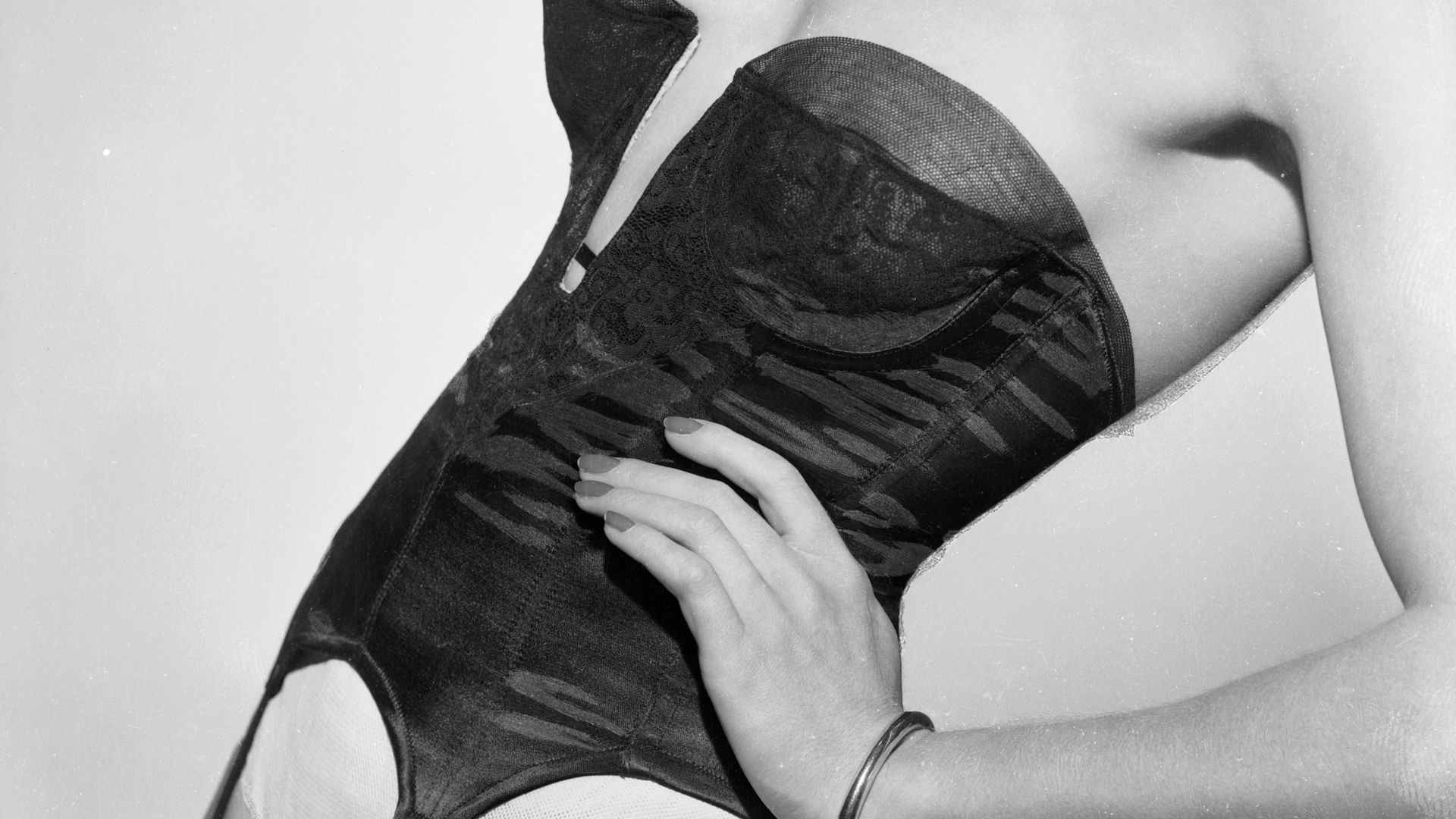
This resurgence of ultra-thin ideals, amplified by the rise of weight loss drugs, is proving deeply triggering for people of all genders. With social media flooded by images of shrinking bodies and so-called ‘wellness transformations,’ the pressure to conform can feel inescapable.
What was once a niche medication has become a symbol of a broader body image crisis, leaving many feeling overwhelmed, anxious, and increasingly disconnected from what healthy really looks like.
We spoke to psychotherapist Sophie Cresswell about how to navigate the troubling rise of the thin ideal - and how to protect our peace while doing so.
What are your thoughts on weight loss drugs like Ozempic?
I’m very concerned. I’ve worked with clients who weren’t obese but still accessed GLP-1 drugs like Ozempic privately. If you can afford them, they’re shockingly easy to get.
There’s little regulation over who can use them, and they carry risks — nausea, fatigue, and the potential to trigger or worsen disordered eating. While they have a legitimate use in obesity or metabolic disorders, we lack long-term safety data, especially regarding the impact of rapid weight loss or withdrawal effects.
They’re not being properly restricted by BMI or clinical need, and I fear they could fuel anorexic thinking in vulnerable people. Clients often say they initially help with appetite, but the effect wears off — yet the restrictive mindset remains.
I haven’t yet seen under-18s using them, but I believe it’s only a matter of time. We need urgent legislation to limit access and monitor their use more closely.
Have you noticed an increase in eating disorders or body image issues in recent years?
Absolutely. Almost every young person under 25 I work with struggles with body image. Many say most of their friends do too. Since the pandemic, it’s become common for students to skip lunch because they feel judged while eating.
I’ve also noticed a worrying shift in parental attitudes. Some seem to favour thinness, unaware of how harmful this is for a growing body and developing brain. Many children are sent to school without a proper breakfast and instead buy jars of Nutella or sweets before lessons, then skip lunch and binge later. This creates a damaging starve-binge cycle.
When adolescent brains are deprived of nutrients, food stops feeling like a choice and starts feeling impossible. In my view, this epidemic is fuelled by three key forces:
- Food manufacturers spending billions on creating ultra-processed products that override natural hunger signals.
- Social and visual media distorting what 'normal' bodies look like - even phone cameras apply filters by default.
- The relentless pressure on young people to be perfect in all areas of life, including their appearance, achievements, and identity, often long before they’re ready.
- Neurodivergent young people are especially vulnerable, as they may be more impulsive and lack internal regulation around eating habits.
I am also seeing a sharp rise in muscle dysmorphia in boys and young men — less talked about, but equally serious. Girls are often pressured to shrink, while boys are pressured to bulk up unnaturally.
How do we overcome the tyranny of the thin ideal?
We need regulation of all digital body editing - filters, slimming, and airbrushing should be banned in magazines, films, advertising, and influencer content. Even phones now alter appearance before you see yourself, warping self-perception before an image is even shared.
Banning editing isn’t enough, though. Real diverse bodies need to be represented consistently, not just as token gestures and young people need to be taught how manipulated the images they see really are.
What advice would you give to someone struggling with body image?
Day to day, self-compassion is essential. Body image struggles are not superficial — they’re a valid response to constant pressure. Young people should be taught to replace appearance-focused thoughts with more functional ones: “What can my body do today?” is far more grounding than “How do I look?” Avoiding comparison traps, especially online. And knowing that peace with your body doesn’t mean loving it every day — we are all different.
Prevention is key, starting in early childhood. We need to reintroduce shared mealtimes — eating together, talking, reconnecting over food. These rituals are vanishing. Many families no longer cook, and junk food is the norm and if people’s bodies don’t feel good, they perceive themselves poorly.
Support services are stretched thin. CAMHS and adult services are overwhelmed, and private help is often out of reach. This makes prevention even more critical.
How can we promote healthy body images without promoting extremes?
We must move away from idolising either thinness or obesity. While body positivity was essential to counter fat-shaming, we’re now seeing 'skinny chic' return to the spotlight. The goal should be promoting strong, capable, well-nourished bodies — not idealised ones. That means:
- Teaching children to eat for strength, energy, and growth
- Making movement part of daily life — not a punishment.
- Highlighting role models of all shapes, sizes, backgrounds, and abilities
- Promoting strength and sport for what the body can do — not how it looks
The food industry also needs stricter regulation, and celebrities and influencers must be held accountable for what they promote.
If you are affected by issues mentioned above, contact Sophie Cresswell at youcanbe.co.uk.