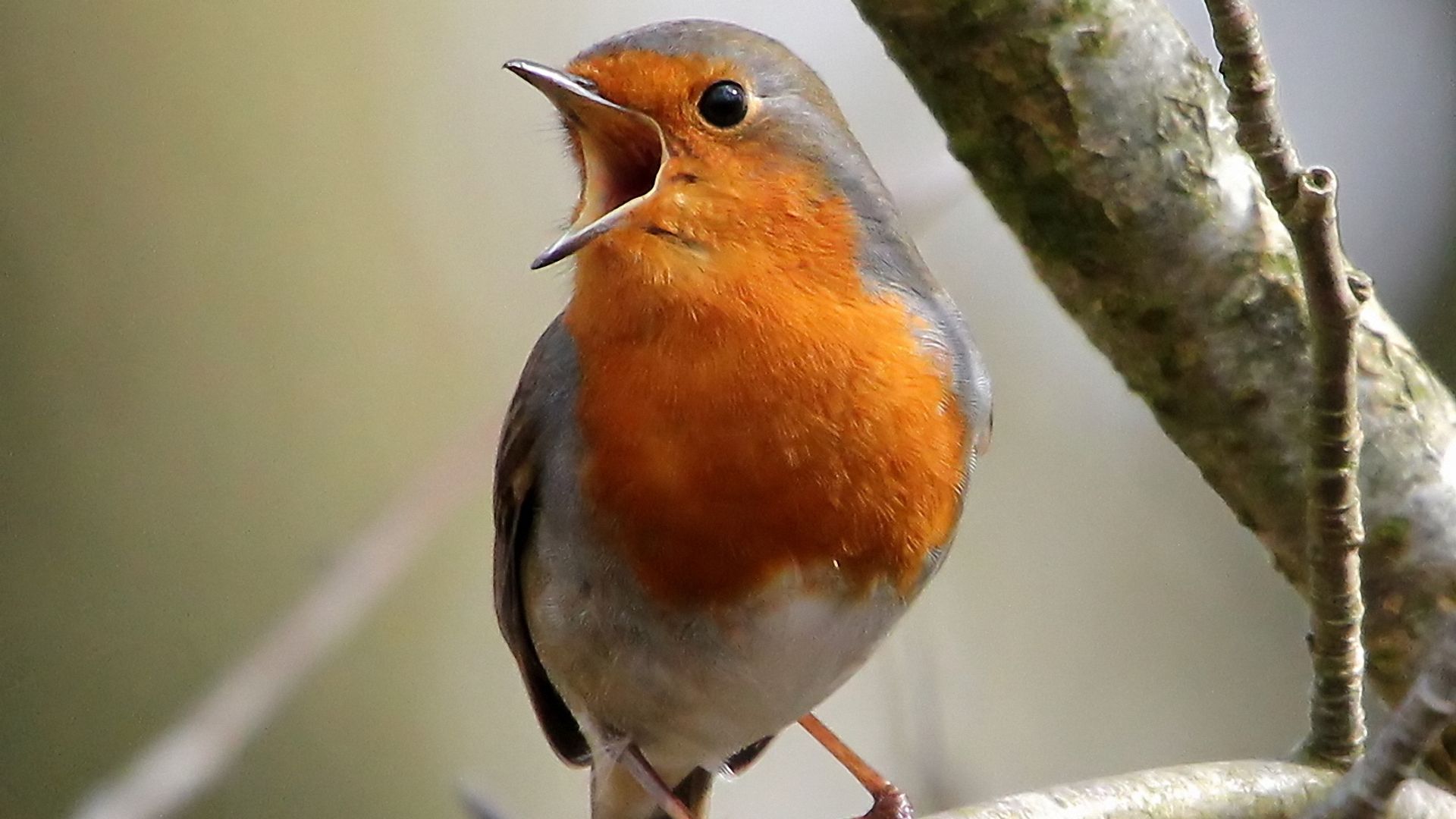
As we approach autumn, we’re looking forward to seeing one of our favourite feathered friends, the European robin, bobbing around our gardens with their signature bright red-orange plumage and songful chirp. Often a harbinger of colder weather, robins don’t disappear during the summertime – but the increased availability of food means they’re often foraging out of sight rather than perching on our bird tables.
This seasonal shift sparks a change in their behaviour, with robins becoming more territorial and staking their claim on feeding grounds ahead of winter. That familiar tune you hear on a crisp morning? It’s part of their strategy to hold onto prime spots – like your bird table.
If you’re looking to tempt these charming visitors to your garden this autumn, there are a few simple steps you can take to make your outdoor space more inviting as the temperatures drop. From the right kinds of food to the best native plants to provide them with shelter, here’s what can help bring more robins to your bird table.
“Robins are natural ground feeders, so a simple tray with mealworms, fruit, or a dedicated ‘robin mix’ will encourage them to visit,” says Alex Gill, founder of The Awesome Wildlife Company.
“Robins can’t resist dried mealworms. You can also soak mealworms in water to give robins some extra moisture, as this mimics what they’d naturally forage for as they hop along the ground.”
Alongside mealworms, Alex recommends adding sunflower hearts, suet, or soft fruits to your bird table to further entice robins. You can consider adding apples, pears, or grapes, as well as wild berries like elderberries and blackberries
If you’d like to take some extra steps to support robins in the colder weather, Alex recommends a nesting box.
“Providing a robin-friendly nest box, ideally open-fronted and tucked into a sheltered spot, can tempt them to stay and breed,” he explains. “Fresh water nearby for drinking and bathing is also essential.”
Finally, Alex suggests planting native shrubs that provide shelter for robins and support a healthy garden without the need for pesticides. Good options include hawthorn, blackthorn, and guelder rose, which all support insect life and offer dense cover for robins.
These shrubs can be planted in autumn to give roots time to establish before extreme weather; after sheltering robins throughout winter, they’ll flower in spring/early summer to make your wildlife-friendly garden a summer hotspot for more feathered friends.