
When I moved into my first flat by myself, much to my disappointment, I wasn't allowed a pet, so naturally I grew extremely protective and embarrassingly maternal over my houseplants. As a hobby, it can be quite addictive, strolling through a garden centre, perusing the nature on display and facing the dilemma of opting for a fiddle-leaf fig or a snake plant. It became such a pastime that my mum would help propagate my peace lilies and refer to them as her 'Grand-plant-babies' (a tad insane, yes).
And there are plenty of good reasons to keep houseplants. As well as adding colour, nature and some style to an indoor space, houseplants can improve our overall wellbeing. The Royal Horticultural Society states that the benefits of having indoor plants are improved mood, reduced stress levels, increased productivity and even reduced blood pressure. What isn't so good for our stress levels, however, is when our plants die or end up looking a little worse for wear. It can be frustrating and confusing, particularly when we provide our plants with the TLC they need. So what causes our plants' leaves to turn yellow? Here are some reasons why your plants might be suffering and what to do about it.
 © Getty Images
Why your houseplant leaves turn yellow
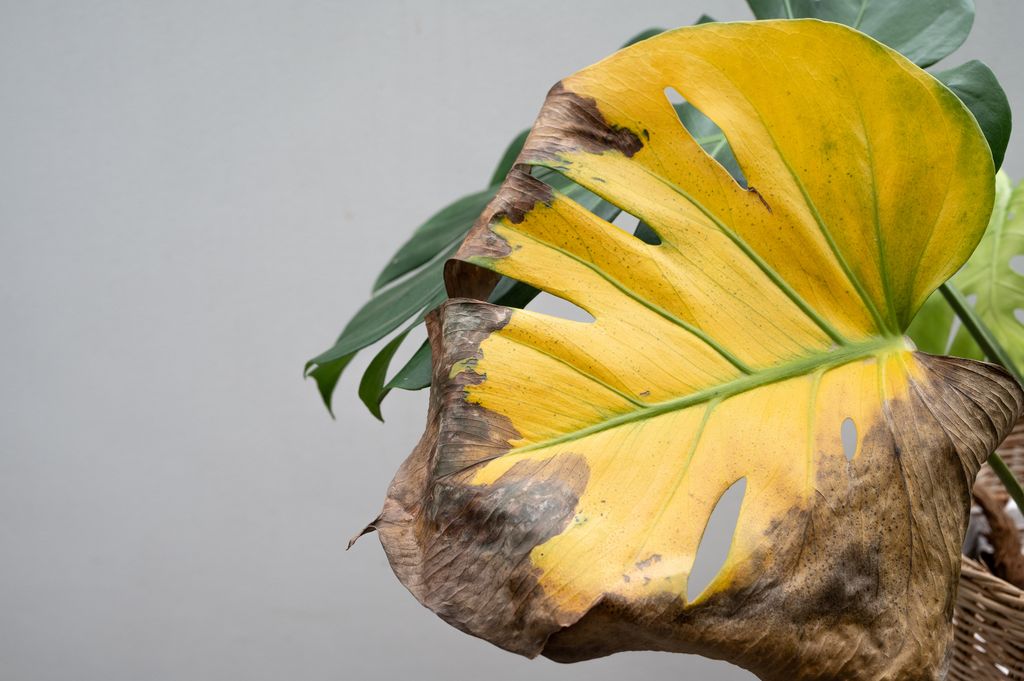
Ever glanced at your plant and realised it's not the luscious green it once was? I have. Leaves turning yellow is pretty common, but can be disheartening. Gardeners' World has interesting reasons why it might happen (we can't all be Monty Dons), including:
- Lack of feeding
- Overwatering
- Growing in the wrong place
- The plant is pot-bound
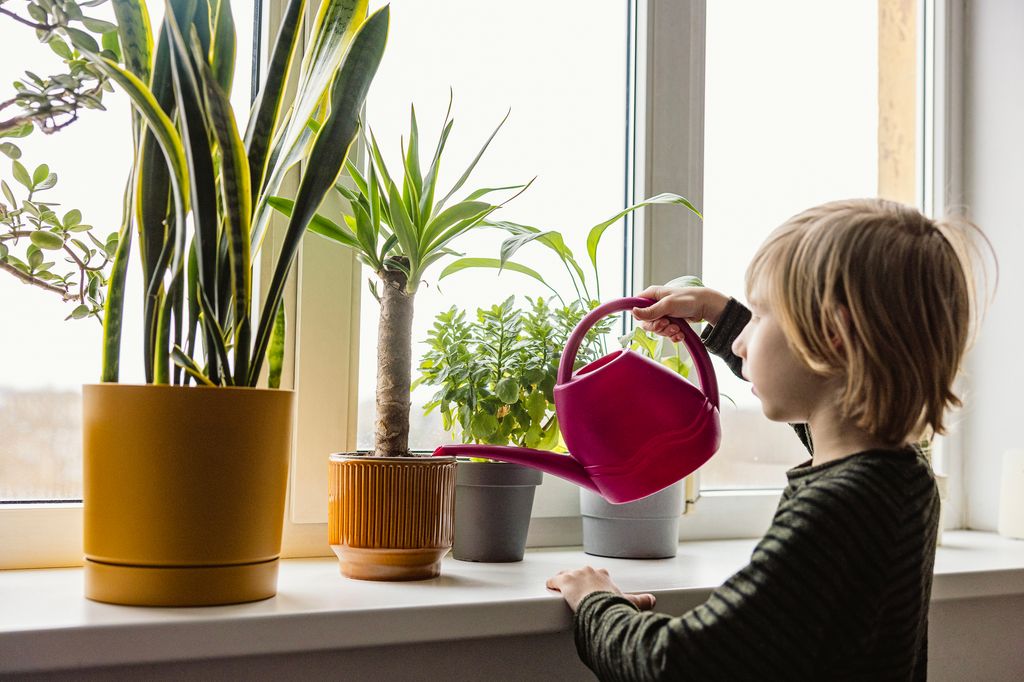
Overwatering is easily done, especially when a plant is sitting in a pot on a windowsill or on your desk. Gardeners' World recommends checking the compost/soil for moisture using your finger and making sure your plant can drain properly after watering. In the same vein, underwatering can leave the plant feeling stressed and crispy at the tips of the leaves.
Yellow leaves can also be a sign that your plant is lacking in the wrong nutrients. It's not just water and light that they need, but a balanced liquid fertiliser on the odd occasion can work wonders. Also, ensure your plant is not getting too much light. Right next to a window might make sense, but it can scorch the leaves, so keep it in daylight but not in direct sunlight. The draught and cooler temperatures from being right by a window might also be stressing your plant out, so it's best to ensure it's in a cool, but not too hot, area of the home in the direction of daylight.
 © Getty Images
How to tackle yellow leaves
My peace lily (or should I say my mum's grand-plant-baby) is pretty susceptible to getting yellow leaves, and Gardeners' World states: "Growing plants in conditions that are too dark may also be a cause of yellow leaves – even shade-tolerant house plants like peace lily may develop leaf yellowing if placed in a dark spot. Pot-bound plants (where the plant has grown too big for its pot) are also common with house plants, which are often sold in small pots."
 © Getty Images
The overarching message? Find a good equilibrium when it comes to watering, avoid putting your plant baby in the (dark) corner, but don't place it in front of a large window, at risk of burning. Also, make sure you keep it in a suitably sized pot to avoid it getting pot-bound. GW adds: "Checking the compost by inserting a finger is a quick and easy way to test. Or, if the plant is liftable, test the weight – if very light, it's likely to be dry. Stand the pot in a sink or bucket of water for an hour or so to completely re-wet the compost."
And don't forget to feed your plant babies, they get hungry too.