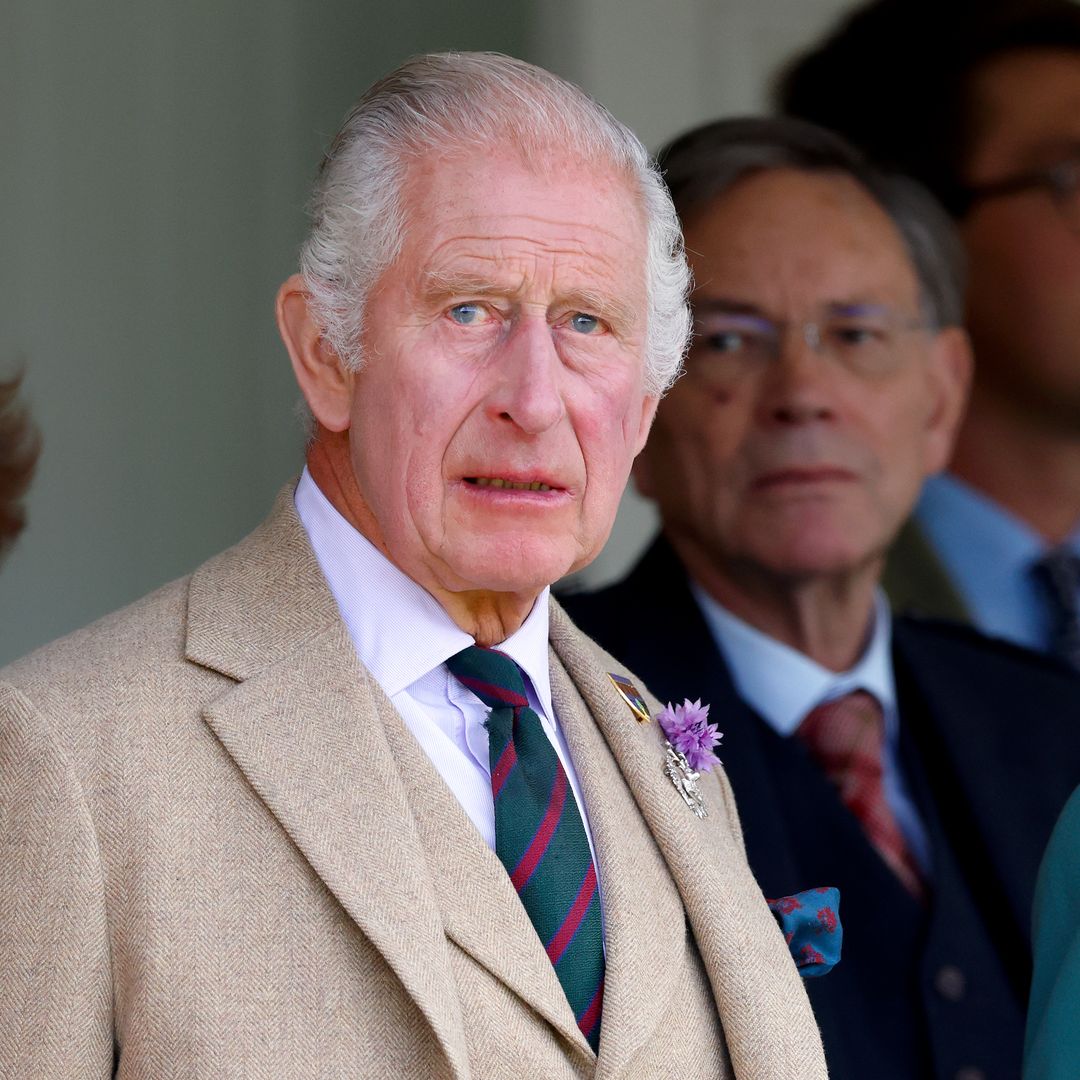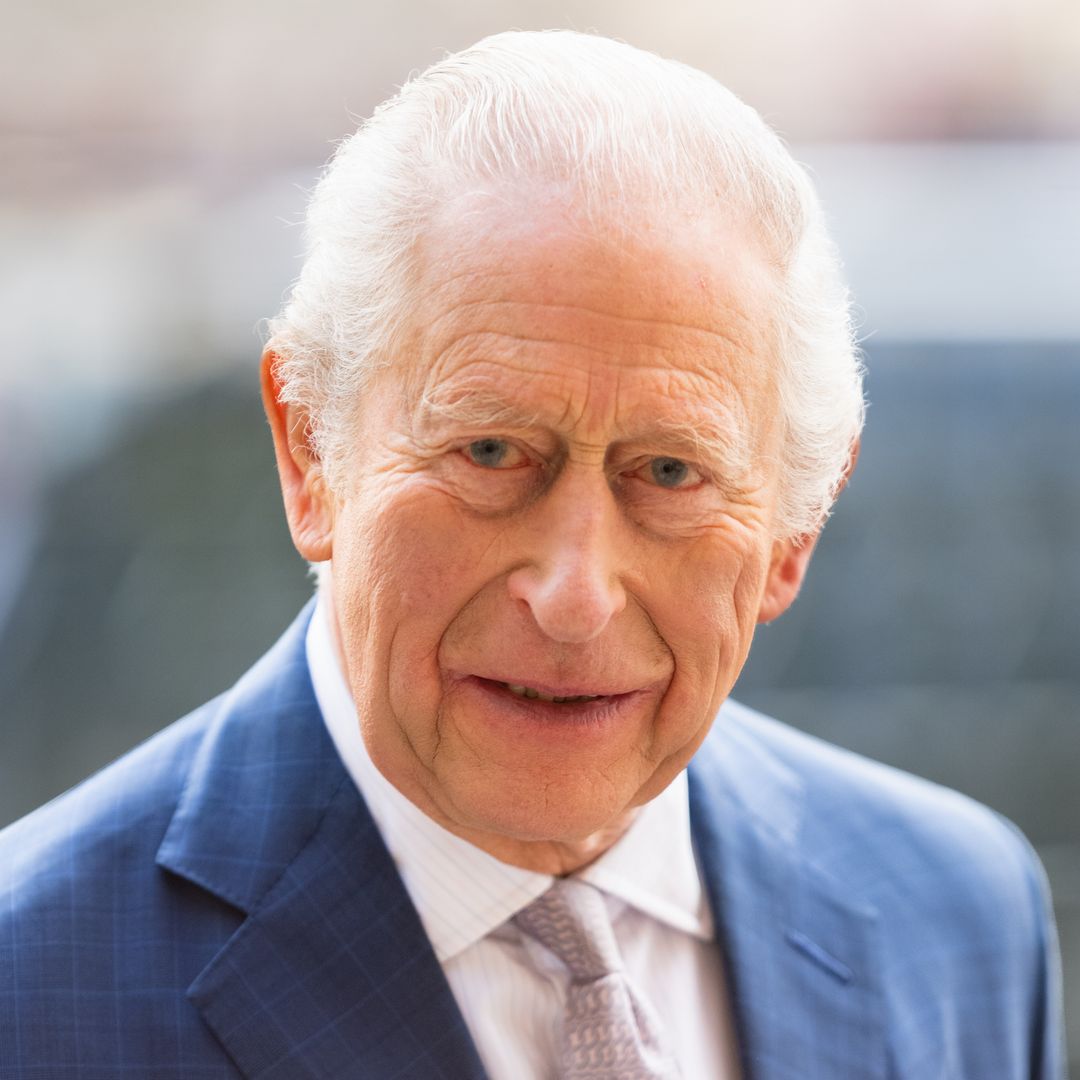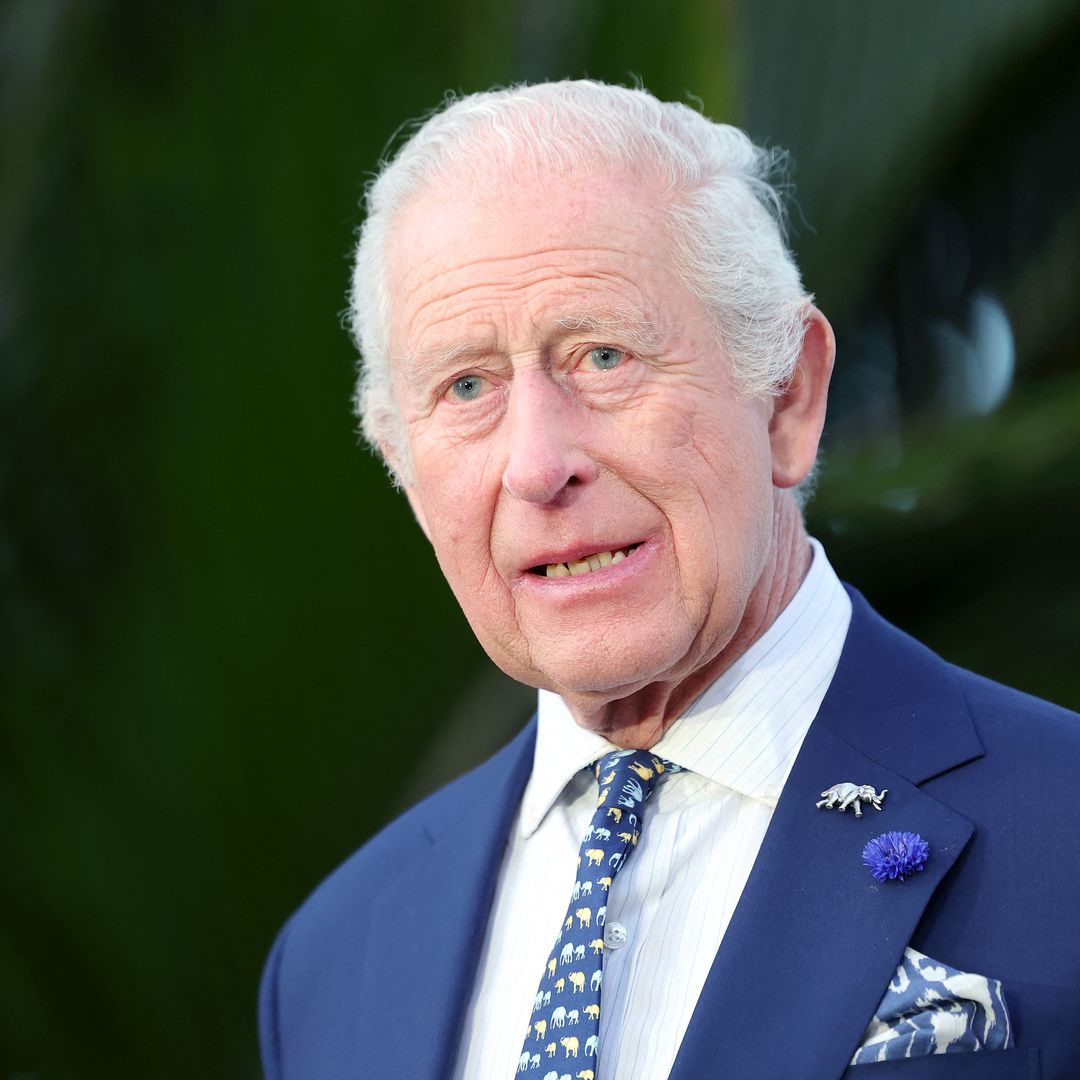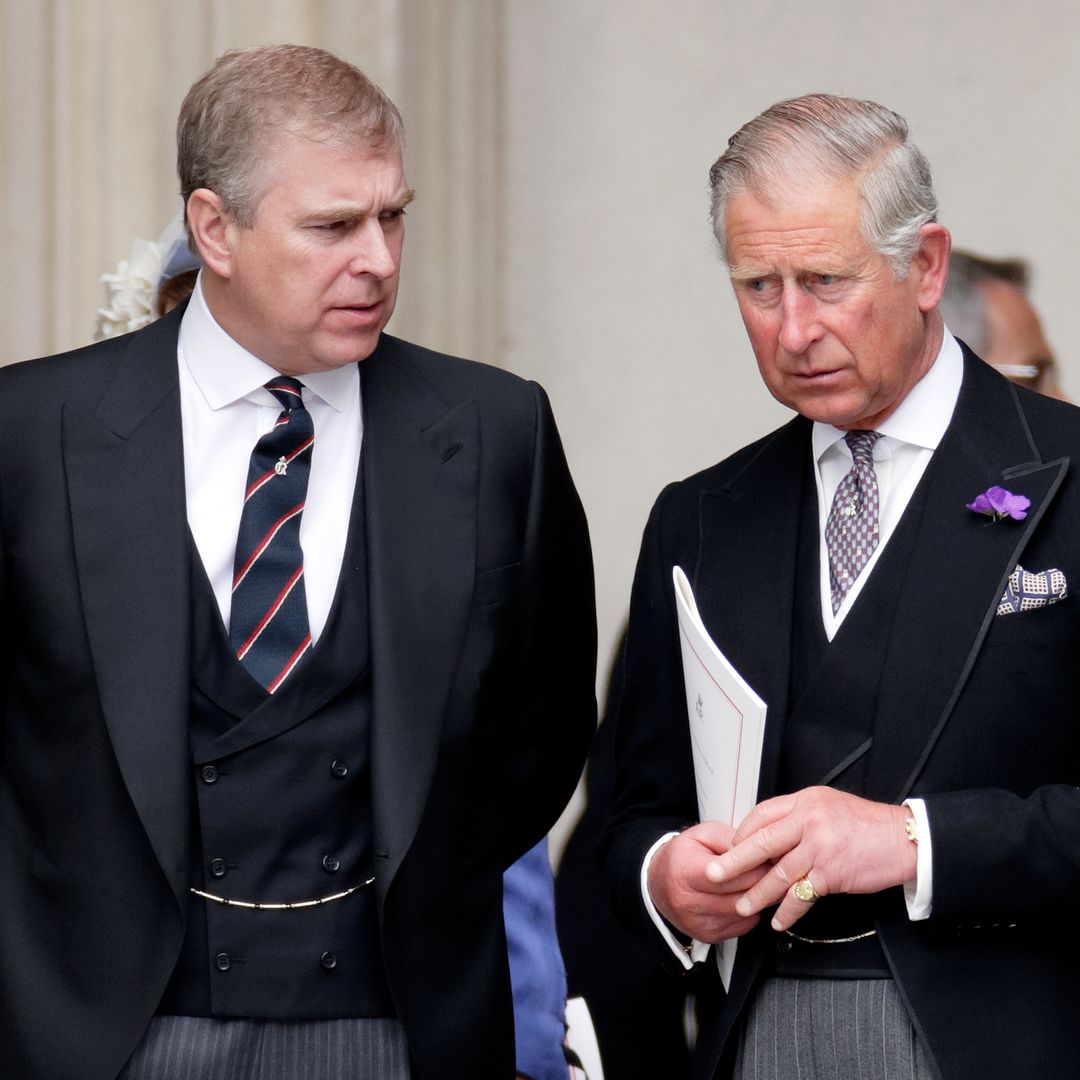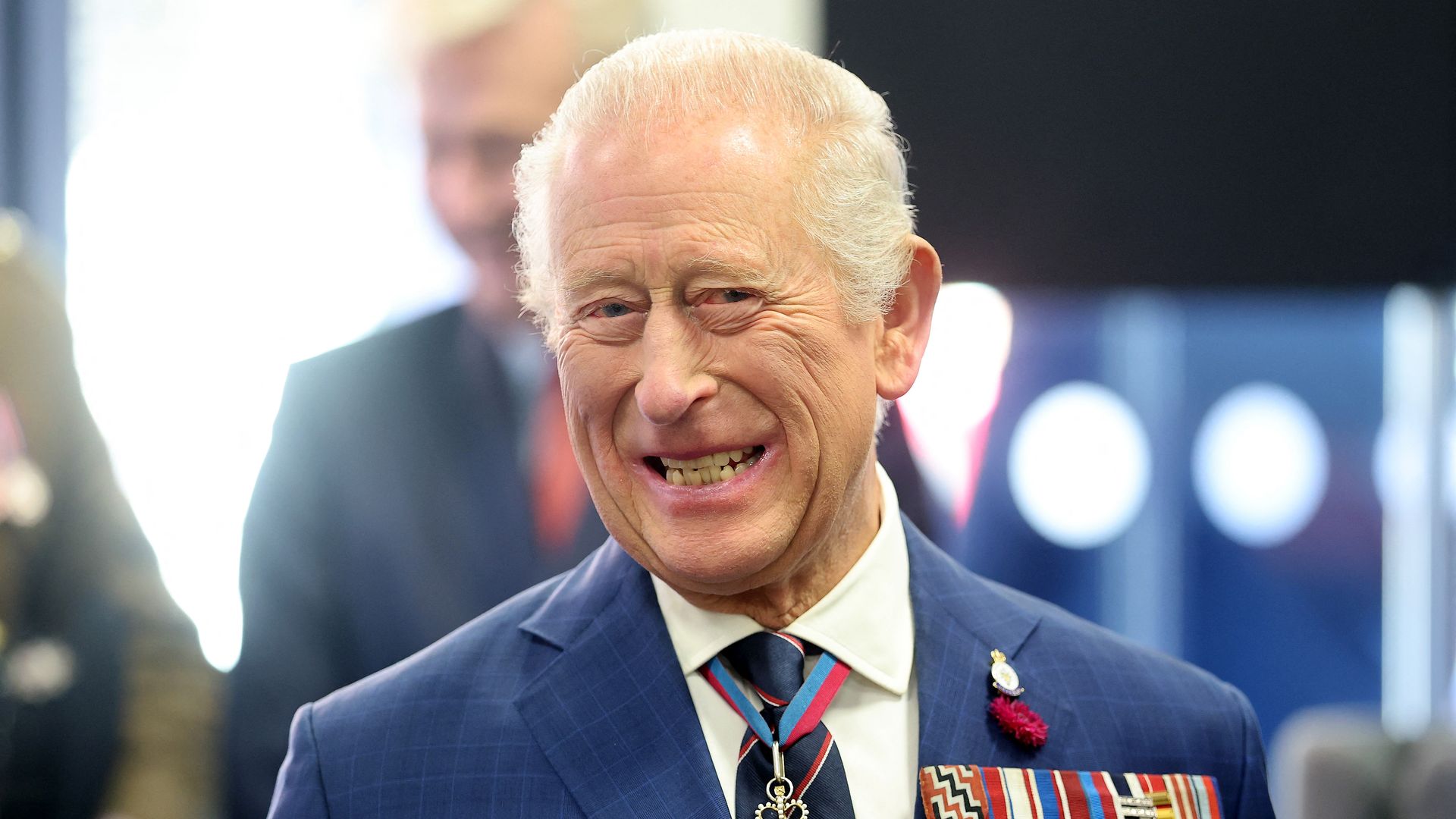

His Majesty King Charles III's extensive property portfolio through the Crown Estate is rapidly expanding and the business has just acquired an impressive 221-acre site in Oxfordshire. Planning permission has been sought to transform the now-farmland into 400 new homes as well as an office, laboratory and factory. It's positioned next to the Harwell Science and Innovation Campus in Oxfordshire and it's part of the Crown Estate's plans to assist in the UK's science sector. Read on to discover how the project will be linked to AI…
Dan Labbad, chief executive of the Crown Estate, has spoken out about the proposed plans: "The UK's science, innovation and technology community is pushing the boundaries of progress in areas from AI (artificial intelligence) to advanced manufacturing. But they need the specialised lab facilities and housing to realise potential. The ambition of Harwell East is to create the space for great science to flourish, and to fuel growth and success not just in the region but for the benefit of the whole country."
The Crown Estate has pledged to fork out £1.5 billion in investments for science, technology and innovation sectors across the UK over the next 15 years, and this seems like a massive stride for that initiative.
What is the Crown Estate?
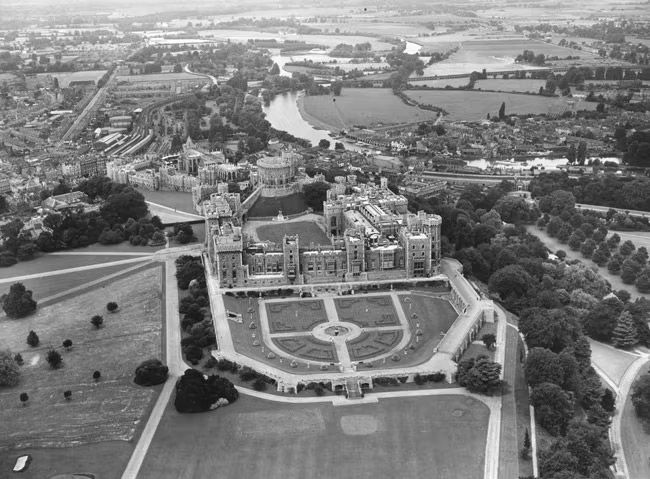
The Crown Estate is a collection of land and property, and the official website explains: "The Crown Estate belongs to the reigning monarch 'in right of The Crown', that is, it is owned by the monarch for the duration of their reign, by virtue of their accession to the throne. But it is not the private property of the monarch - it cannot be sold by the monarch, nor do revenues from it belong to the monarch." As well as royal residences, the Crown Estate has a wide range of projects and investments, including offshore wind turbines.
Which homes does King Charles privately own?
 © Alamy Stock Photo
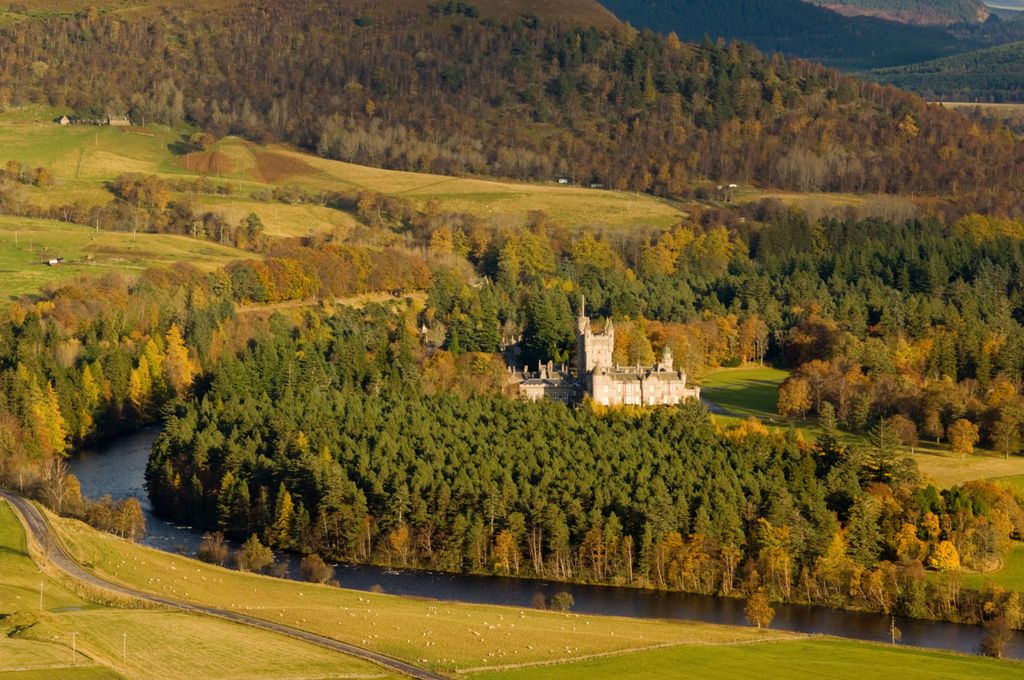
Sandringham House in Norfolk and Balmoral in the Scottish Highlands are royal residences privately owned by His Majesty, passed down after his mother Queen Elizabeth II's death. His beloved Highgrove House in the Gloucestershire countryside is another home he owns outright and as is Birkhall, his Scottish retreat.
Prince William's Britain's biggest private landowner
 © Alamy Stock Photo
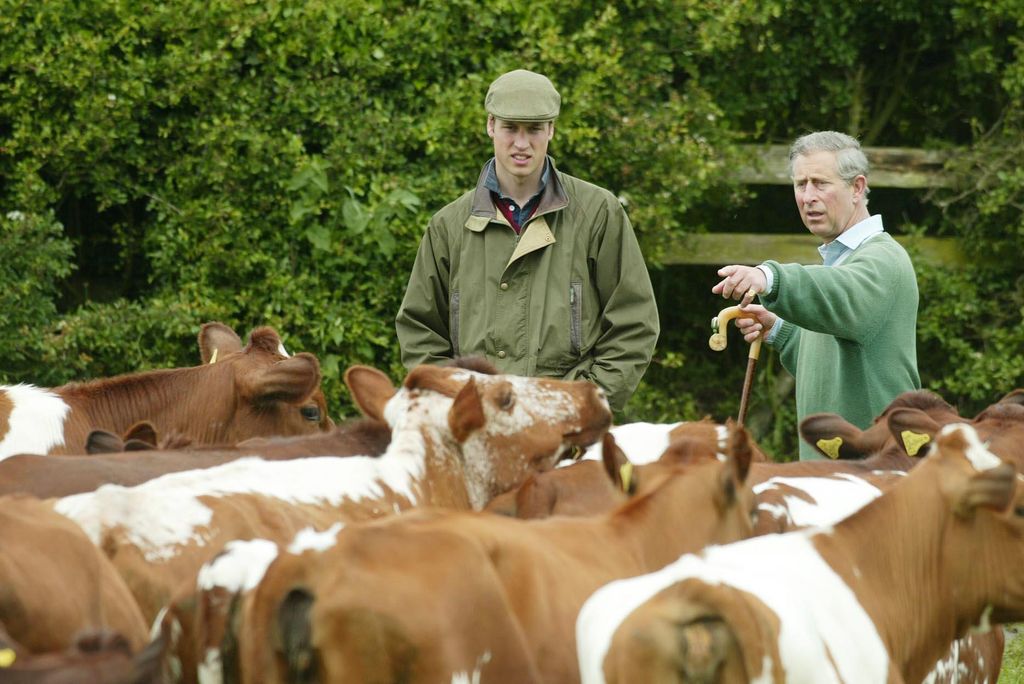
Since taking on the title of the Duke of Cornwall, William acquired the role of managing the Duchy of Cornwall. The change of hands from his father, King Charles, now makes William the biggest private landowner in Britain with assets around the £1.2 billion mark. Similar to the Crown Estate, the investments are diverse and include everything from shopping centres to the Oval Cricket Ground!
In light of the 24/25 annual report, when it was announced the Crown Estate had generated a net revenue profit of £1.1 billion for the UK, CEO Dan Labbad said: "At the Crown Estate, we are here to act independently, commercially, and in the national interest. We are dedicated to working towards a better future, managing land, property, and the seabed for the benefit of the nation today and for the future."
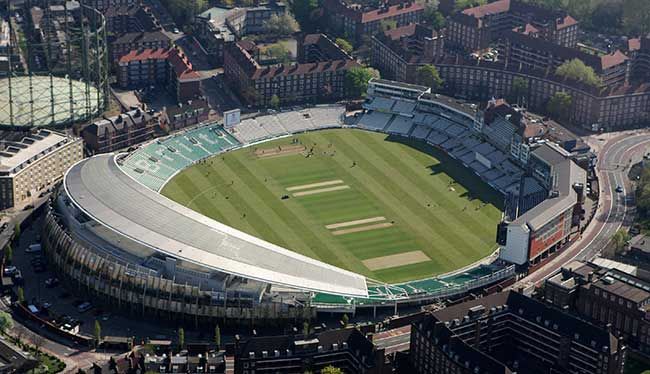 © Photo: Getty Images
The Duchy provides William with a private income of nearly £23 million a year, and the income also covers the cost of staffing William and Kate's household, among other things. William pays tax on his income from the Duchy, but has chosen not to disclose how much. "The Prince of Wales pays the highest rate of income tax," his private secretary Ian Patrick confirmed.