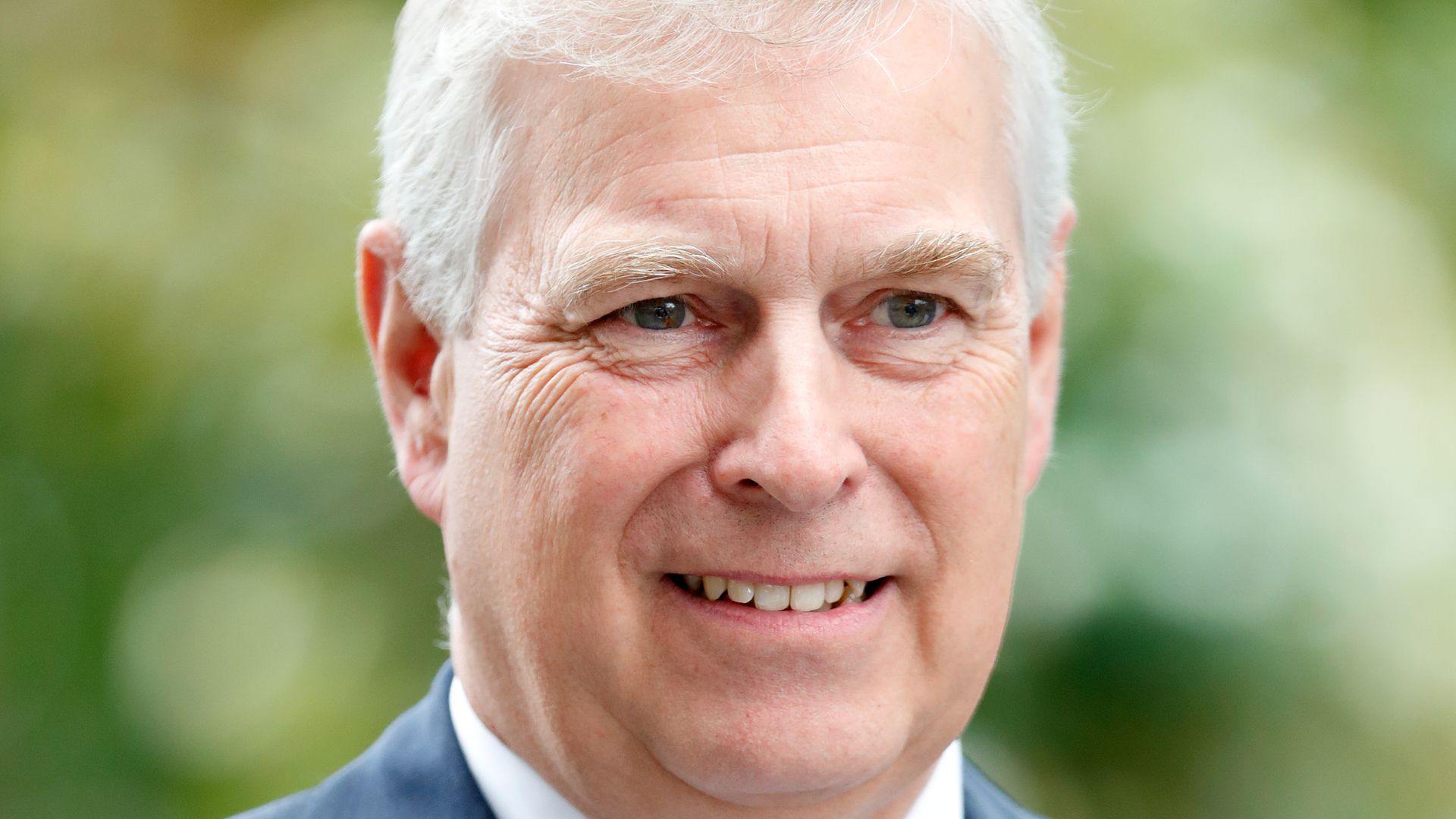

Andrew Mountbatten-Windsor is said to be feeling "buoyant" after deciding to take legal action against the police over his arrest earlier this year.
It was previously reported that the former Duke of York, 66, has been granted permission to challenge whether Thames Valley Police acted lawfully over the searches relating to his arrest in February.
A judge at the Old Bailey issued warrants which allowed police to raid Andrew’s residence on the Sandringham Estate and his former Windsor home, Royal Lodge.
The former Duke of York reportedly feels "upbeat" and "utterly convinced" that one day he'll be "completely exonerated", a friend told The Sun on Monday.
 © Getty Images
The insider, said to be a friend of the former Prince, added that Andrew thinks his legal action will be the "first step" towards clearing his name entirely – though his older brother, King Charles, has clarified he won't be funding it.
On Monday, a judicial spokesperson confirmed that a hearing in Andrew’s legal claim is due to take place at 2 pm on Thursday at the High Court, before Mr Justice Hilliard.
The spokesperson said the hearing will concern a bid by Thames Valley Police to restrict access to court documents, with the hearing to begin in private. It's not known if Andrew will attend.
The legal action followed reports by the Daily Mail's Richard Eden over the weekend that ex-Prince Andrew has been invited to attend dinner parties on the Norfolk estate, signalling he could be "welcomed back" to some extent in society.
Andrew's arrest and fall from grace
Andrew was arrested on his 66th birthday earlier this year on suspicion of misconduct in public office following allegations he shared sensitive information with Jeffrey Epstein during his time as the UK’s trade envoy.
On February 19, he was interviewed under caution before being released under investigation.
 © MEGA/GC Images
The legal definition of misconduct in a public office can include a wide range of conduct – including sharing confidential financial information, financial misconduct, wilful neglect of duty, and sexual misconduct.
It also covers corruption and improper interference, conflict of interest, perverting the course of justice, dishonesty or fraudulent conduct, and misconduct leading to personal gain.
Late last year, the King stripped his brother of both his right to be a Prince and his Dukedom over his association with convicted sex offender Epstein.
King Charles will not fund Andrew's legal action
Andrew has been told not to use the King's private money to fund his legal action, it was revealed on Monday.
Andrew receives an annual stipend – the amount of which has not been disclosed – provided by Charles from his private funds, but a Palace source said it has been made clear that these monies should not be used to fund the judicial review.
 © AFP via Getty Images
The source added that Andrew's legal defence was a matter for him and his lawyers, and that Buckingham Palace has no role in determining its strategy or actions.
When Andrew was arrested on February 19, the monarch issued a written statement, insisting "the law must take its course".
Criminal cases are brought by the Crown Prosecution Service in the name of the King, as the reigning monarch.


